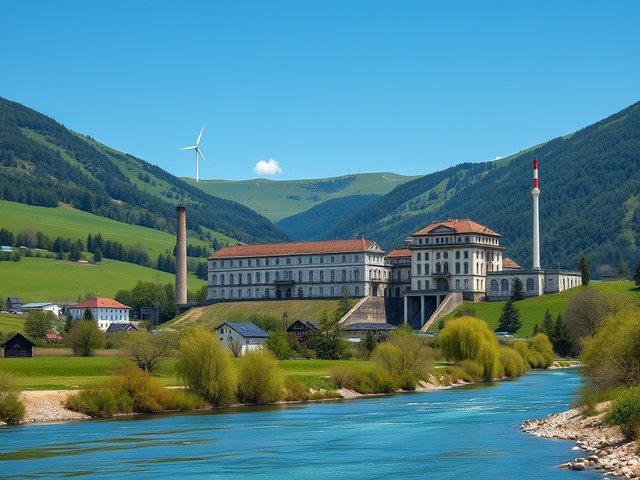
Why does the water level in Traun reduce energy production? 🤔 How does this affect Austria's energy sector and what to expect in the future? In this article, we will look into the causes and consequences of the decrease in electricity production at the Traunkraftwerk hydroelectric power station. 🇦🇹
In recent years, Austria, like many other countries, has been faced with climate change, which directly affects the energy sector. 🌊 One striking example is the situation with the Traunkraftwerk hydroelectric power station, where due to the low water level of the Traun River, electricity production has decreased by as much as 50%! This is a serious wake-up call that makes us think about the future of hydropower and how to adapt to the new reality. ⚡️ Let's figure out what is behind this phenomenon and what measures are being taken to solve the problem.
Falling water levels in Traun: causes and consequences 🌊
Climate change and its impact
The decline in water levels in rivers is a global problem, and Traun is no exception. Climate change leads to unpredictable weather conditions, including periods of drought and reduced rainfall. 🌧️ This directly affects the hydrological regime of rivers, reducing their full flow. The consequences for hydropower are obvious: less water means less electricity.
Impact on Austria's energy balance 🇦🇹
Hydropower plays an important role in Austria's energy mix. Reducing power generation at key sites such as Traunkraftwerk could lead to increased dependence on other energy sources, including fossil fuels. ⛽️ This, in turn, could slow down the transition to green energy and increase greenhouse gas emissions.
Economic consequences
The reduction in electricity production also has economic consequences. Energy companies are forced to look for alternative energy sources, which can lead to increased costs. 💰 In addition, the reduction in electricity production can affect the competitiveness of Austrian companies, especially those that rely on stable and affordable energy sources.
Adaptation measures and solutions 💡
Modernization of hydroelectric power plants
One way to adapt to climate change is to upgrade existing hydroelectric power plants. 🛠️ This could include improving turbine efficiency, optimizing water management, and introducing new technologies that make more efficient use of available water.
Diversification of energy sources
An important step is to diversify energy sources. ☀️ This means increasing the share of renewable energy sources, such as solar and wind energy. The development of these areas will reduce dependence on hydropower and ensure a more stable energy supply.
Sustainable water management
Sustainable water management plays a key role in ensuring stable operation of hydroelectric power plants. 💧 This includes monitoring water levels in rivers, predicting changes and taking measures to conserve water resources. It is also important to consider the interests of all users of water resources, including agriculture, industry and the population.
Alternative energy sources in Austria 🌬️☀️
Austria is actively developing alternative energy sources to reduce dependence on hydropower and fossil fuels. Developments are underway in the fields of solar, wind and geothermal energy. 🔋 Investments in these areas create new jobs and stimulate economic growth.
Solar energy
Solar energy has great potential in Austria. 🔆 Installing solar panels on the roofs of homes and businesses is becoming increasingly popular. The government supports the development of solar energy through various programs and subsidies.
Wind energy
Wind power also plays an important role in Austria's energy balance. 🌬️ New wind farms are being built in the country, producing more and more electricity. Wind power is especially effective in mountainous areas where strong winds blow.
Geothermal energy
Geothermal energy uses the heat of the earth to produce electricity and heating. ♨️ There are several geothermal plants in Austria that are successfully operating. Geothermal energy is an environmentally friendly and sustainable source of energy.
Conclusion and findings
The situation with Traunkraftwerk shows how important it is to adapt to climate change and diversify energy sources. 🌍 Austria is actively working on the development of renewable energy sources and the implementation of sustainable water management methods. 🌿 This will ensure a stable energy supply and reduce the negative impact on the environment.
The future of energy in Austria depends on how successfully the country can transition to green energy and adapt to new climate conditions. What other measures do you think need to be taken to ensure Austria's energy security? 💡
If this article was helpful, please share it with your friends! 📢


