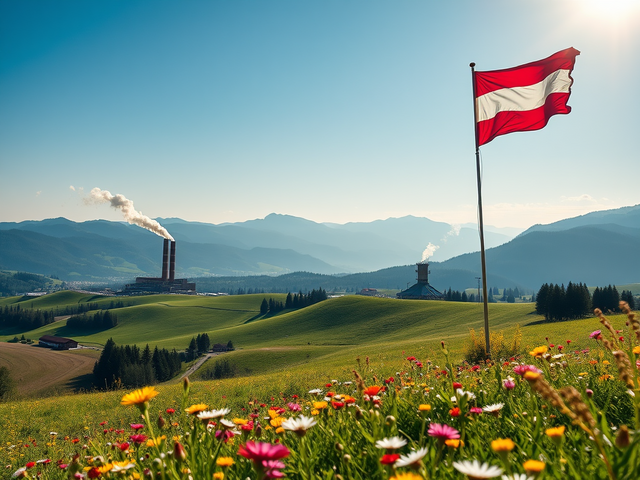
Impact of Trump's steel and aluminum tariffs: What awaits Austria? 🇦🇹
In recent months, the world has witnessed new economic measures concerning the steel and aluminum trade. Such decisions, put forward by US President Donald Trump, affect not only the American economy, but also European countries, in particular Austria. According to the latest news, the Austrian companies Voestalpine and AMAG may face serious consequences due to the introduction of 25% duties on these metals. What are the possible consequences for the Austrian economy? 🔍
Trump's Tariffs: What's Behind Them? 📊
Donald Trump, in his quest to protect the American economy, has announced special tariffs on steel and aluminum imports. These measures are aimed at reducing the US's dependence on foreign supplies and supporting domestic producers. However, such steps could have serious consequences for international trade.
Impact on Austrian metallurgy ⚒️
Austria ranks 18th in the U.S. steel and aluminum import rankings. About 25% of these products are imported from other countries, including Mexico and Canada. This means that the introduction of tariffs could increase the cost of Austrian exports. Companies Voestalpine And AMAG, which are active in the North American market, may experience serious financial difficulties.
Economic consequences for Voestalpine and AMAG 🔧
Economist Harald Oberhofer described the new tariffs as "economically high-risk". He said they could lead to lower export revenues for Austrian companies, as higher supply costs could force them to seek new markets or raise prices for their products. "We could face serious losses," — he warns.
As for the consequences for the country's economy as a whole, possible reactions from the European Union could complicate trade relations with the United States. In addition, rising import prices could reduce the competitiveness of Austrian companies on the international stage.
How do Austrian companies react? 🚀
Austrian manufacturers are actively trying to minimize the damage that could be caused by new tariffs. Entering new markets and diversifying supplies are becoming key tasks for companies such as Voestalpine and AMAG.
Possible steps to minimize losses 📉
- Diversification of markets: Exploring new export destinations can help companies reduce their dependence on a specific market.
- Cost reduction: Optimization of production processes to reduce costs and increase competitiveness.
- Lobbying interests at the EU level: Most often, companies look to their governments for help in creating a positive trading environment.
Comparison with past experience 📚
The recent adoption of similar duties in 2018 has already shown how such measures can affect the market. At that time, some Austrian companies obtained exemptions, and today they hope for similar results. "History teaches us that we must be prepared for change," — says Oberhofer.
Potential consequences for the Austrian economy 💼
According to experts, the introduction of duties may slow down economic growth. This could lead to higher unemployment and reduced investment in the country by foreign companies.
Conclusion and findings 🔚
The introduction of 25% tariffs on steel and aluminum could have a significant impact on the Austrian economy and its manufacturers. Particular attention should be paid to the actions of Voestalpine and AMAG, which could face serious challenges under the new trade policy. Economic experts predict difficult times, but diversification and process optimization could help them adapt to the new conditions.
What strategy do you think Austrian companies should choose to minimize losses? 🤔
If this article was helpful, please share it with your friends! 📢
Subscribe to our blog to stay up to date with new articles about life in Austria! 📨
SEO Meta Description:
Find out how Trump's steel and aluminum tariffs affect Austrian companies Voestalpine and AMAG. Potential consequences for the Austrian economy.


