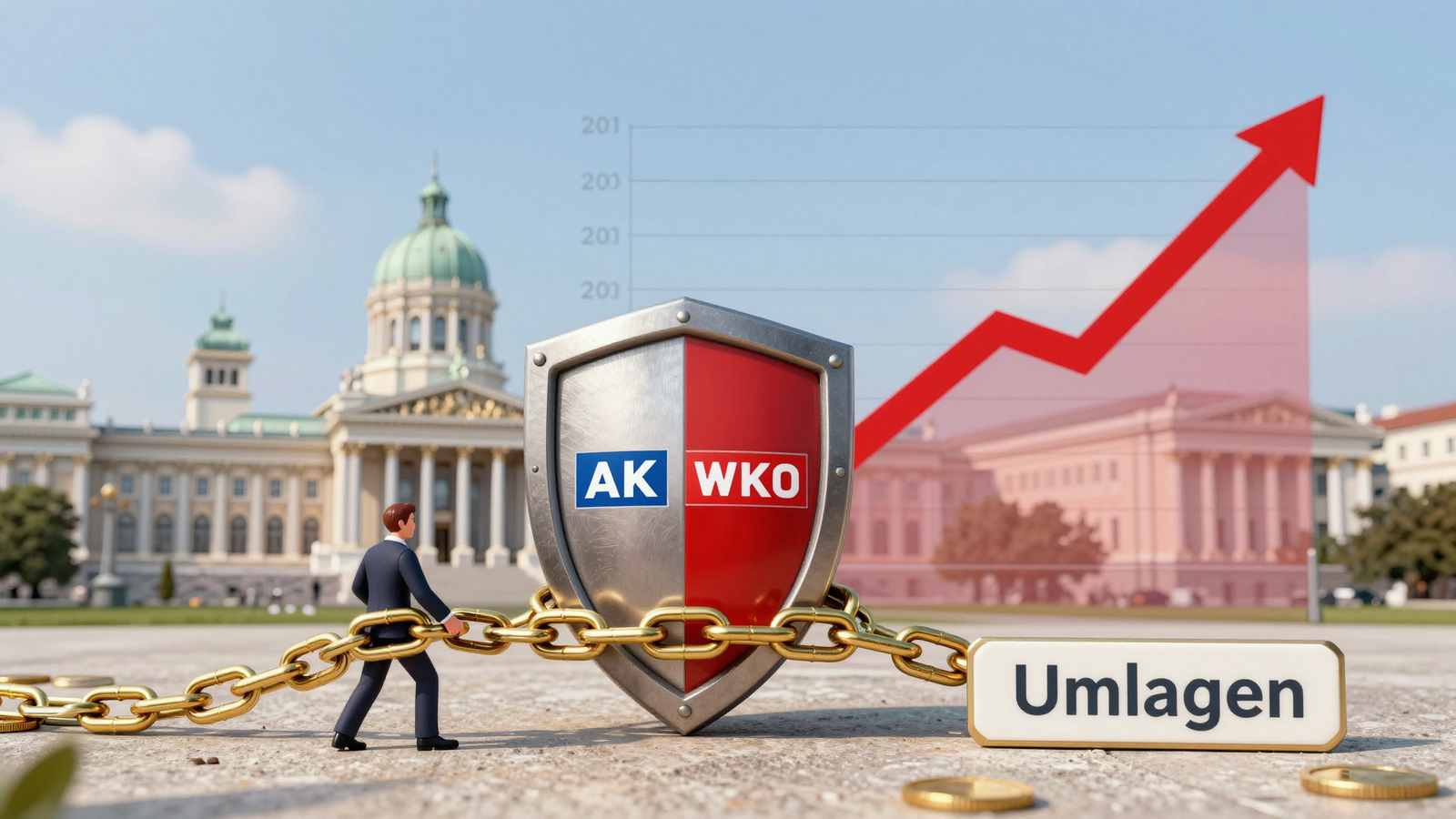



The Austrian system of chambers represents a unique institution for representing interests, uniting entrepreneurs and employees. The Economic Chamber (WKO) and the Labor Chamber (AK) are primarily financed through compulsory membership fees. This model ensures their financial autonomy from the state. In the current year 2026, the system of chamber levies remains the key mechanism supporting the chambers’ activities. In this article, we will detail exactly how Austria’s chambers form their budget, what they spend funds on, and what changes members can expect in the near future. Special attention will be paid to practical aspects: fee calculation, tax deductions, and criticism of the existing model.
Table of Contents
- What Austria’s chambers (AK and WKO) are
- Procedure for paying compulsory contributions
- How payment amounts are calculated
- Tax deductions for chamber contributions
- Criticism of the system and potential reforms
- Chamber financing in 2026
- Obligations of entrepreneurs and employees
- Benefits of chamber membership
- How to verify contribution payments
- Answers to frequently asked questions
What are Austria’s chambers and their functions
Austria’s chambers are public-law corporations representing the interests of entrepreneurs (Wirtschaftskammer Österreich, WKO) and employed workers (Arbeiterkammer, AK). They operate at federal and state levels, forming a network of 10 economic chambers (9 state + federal) and separate labor chambers in each state. Core chamber functions include consulting support, organization of educational programs, lobbying in government bodies, and dispute resolution. Chamber financing is based on compulsory membership fees, guaranteeing their independence from direct budget allocations. Consequently, chambers can freely advocate for their members’ interests without fear of political pressure.

The Economic Chamber (WKO) unites over 500,000 companies and sole proprietors. The Labor Chamber (AK) represents around 3 million employed workers. Both chambers have elected bodies and operate based on specific laws. Their activities are regulated by the Chamber of Commerce Act (Pachtkammergesetz) for the WKO and the Labor Chamber Act (Arbeiterkammergesetz) for the AK. Importantly, membership in the respective chambers is mandatory for all business entities and employees, with some exceptions. This ensures universal representation and collective strength in dialogue with the state.
Compulsory contributions: the foundation of chambers’ financial stability
The primary income source for Austria’s chambers is compulsory levies. For the WKO, this is the Kammerumlage (chamber levy), and for the AK, a similar membership fee. The Kammerumlage is a mandatory payment made by all gewerbetreibende Selbstständige (entrepreneurs carrying out commercial activity). As tax specialist Kobleder notes, the levy is calculated on the taxable base and paid quarterly through the tax office (Finanzamt). The payment procedure is automated: the tax office calculates the amount based on provided data and sends a payment notice.
The AK contribution is deducted directly from the employee’s gross salary. The rate is progressive and depends on income. For example, in 2026, the contribution ranges from 0.5% to 3% of gross salary, with an annual cap of €5,000. Both types of contributions are tax-deductible: they can be fully or partially deducted from taxable income. This significantly reduces the actual financial burden on chamber members. However, many entrepreneurs and employees consider the total contribution amount too high, especially during economic downturns.
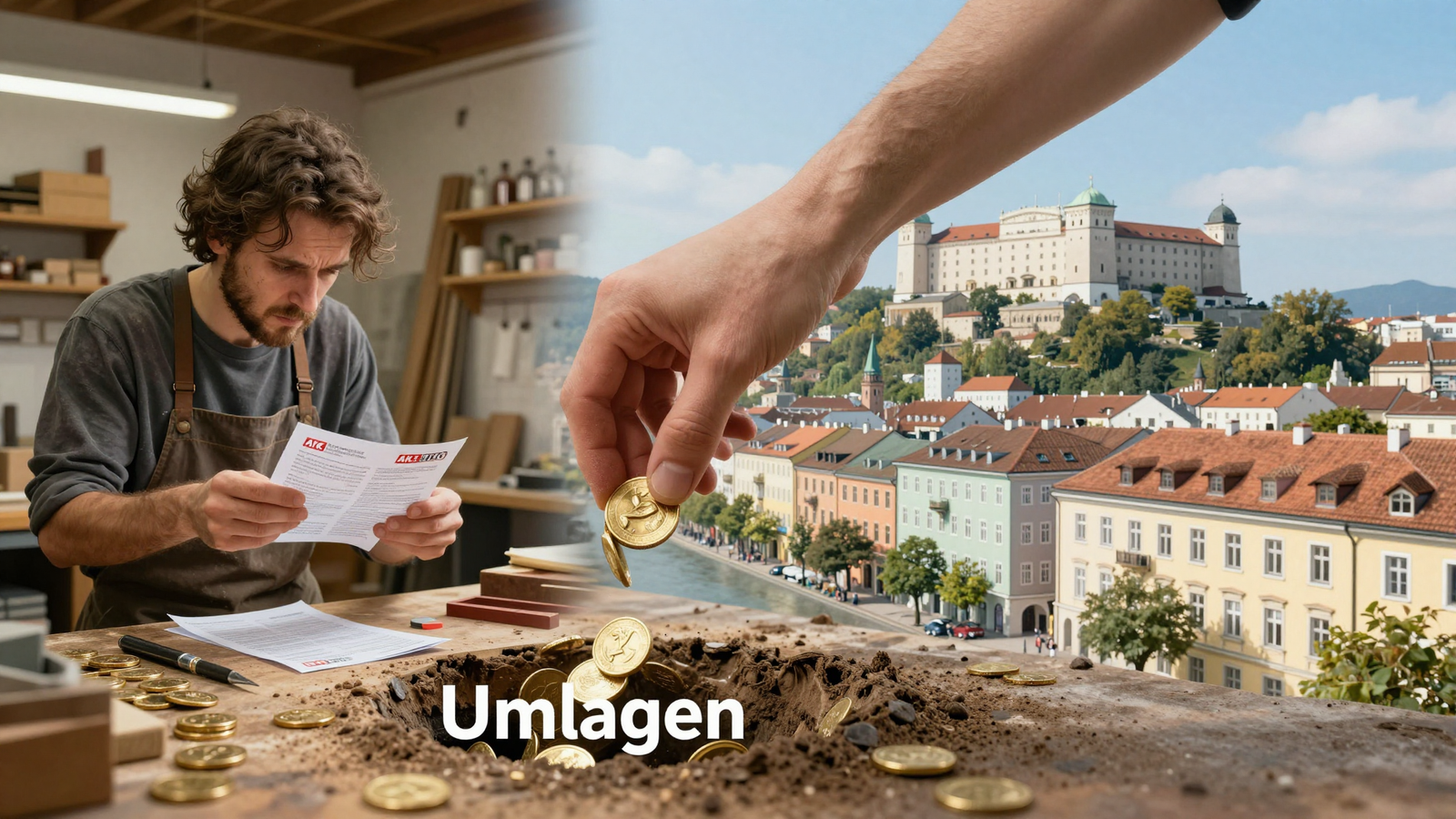
According to WKO data, the Kammerumlage finances all 10 Austrian economic chambers. Funds are distributed between the federal chamber in Vienna and the nine state chambers. Approximately 70% of collected funds go to state chambers, as they directly serve members. The federal chamber uses funds for national projects, lobbying in Brussels, and international representation. This system ensures balanced financing for both local and national objectives. In 2026, the total levy volume exceeded €2 billion, demonstrating the scale of the chamber system.
Contribution calculation: formulas and practical examples
The calculation methodology for the WKO’s Kammerumlage varies depending on the company type and state. For freelancers (Freiberufler), fixed annual amounts are often applied, which can reach up to €350 per month. For commercial companies (Gesellschaften), the contribution is calculated as a percentage of taxable profit. Rates are set by each state chamber and published on their websites. For example, in Vienna the rate is 0.45% of profit, while in Styria it is 0.55%. Reduced tariffs apply to small enterprises with turnover below €500,000. Importantly, a minimum contribution of €120 per year is set, even if the company operates at a loss.
AK contributions are calculated from gross salary. The rate is 0.5% of income up to a certain limit, after which a higher rate applies. In 2026, an average employee with a €2,500 monthly salary will pay approximately €156 annually. Employers are required to withhold this amount monthly and remit it along with taxes. Additionally, the AK charges a flat contribution (Grundumlage) of €15 per year from all members, regardless of income. This ensures basic chamber financing even for low-income workers.
For taxpayers, the important aspect is the right to deduct paid chamber contributions from the taxable base for income tax. This means the actual cost of the contribution is reduced by the individual tax rate. For example, with a 35% tax rate, the actual burden of a €156 contribution would be around €101. Therefore, it is essential to declare paid amounts when filing a tax return. Failing to do so could mean losing significant money. Consultations on deductions are provided free of charge by the chambers themselves to their members.
Criticism of the system and expected reforms
Despite clear rules, the chamber contribution system faces constant criticism. Main grievances concern the size of levies, especially amid high inflation. Many entrepreneurs complained that contribution increases outpace income growth. Furthermore, small companies point to excessive bureaucratic burdens in reporting. On the other hand, chambers emphasize that their services (free consultations, legal aid, training courses) are worth significantly more than the contributions paid. According to their estimates, the average WKO member saves up to €1,500 annually through consultations and discounts.
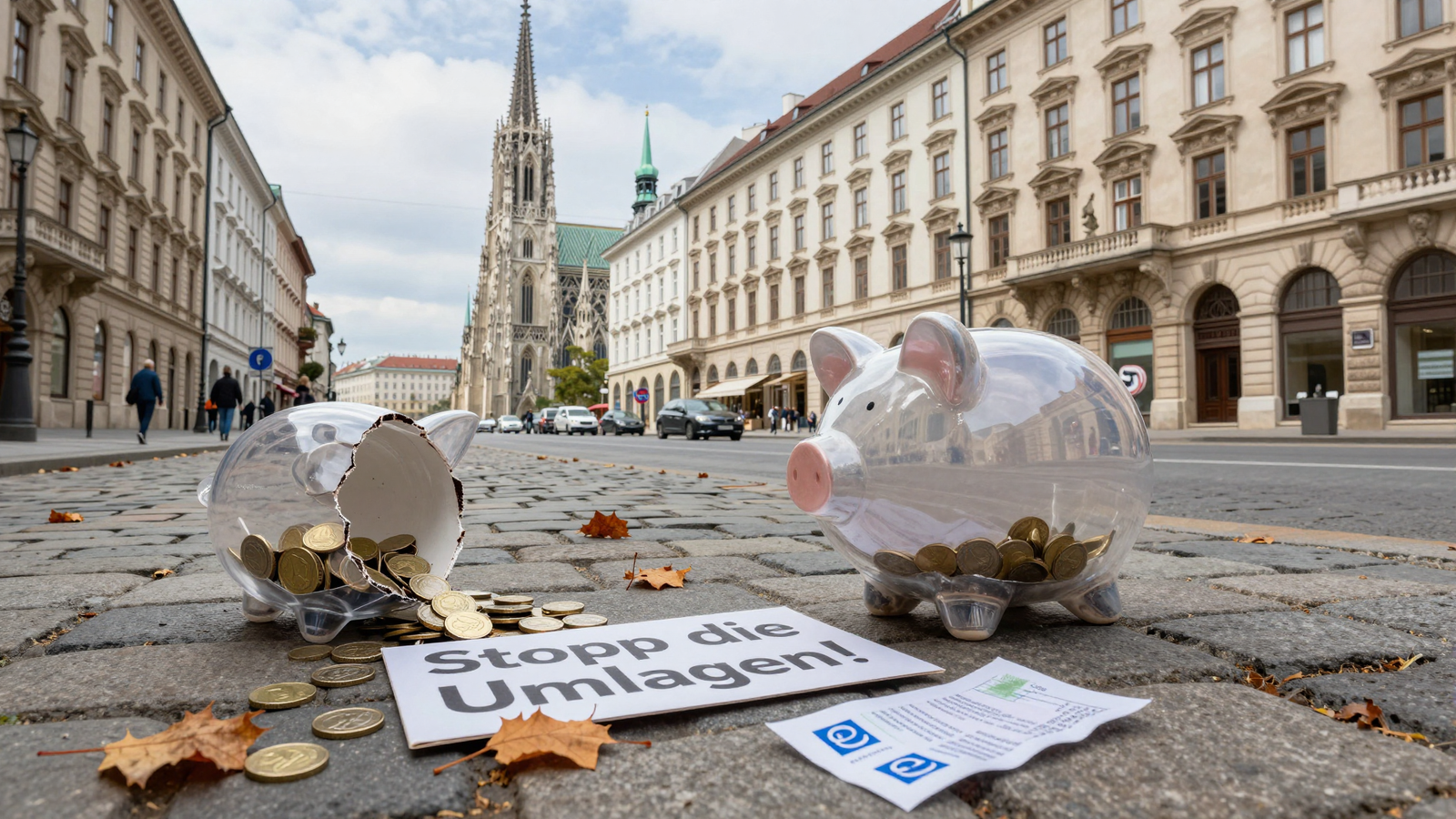
In 2026, the Austrian Ministry of Economy initiated discussions on amendments to the chamber law. Key proposals include:
- Introducing a progressive scale for the Kammerumlage for large corporations (turnover over €10 million).
- Simplifying reporting for micro-enterprises (turnover up to €100,000).
- Increasing transparency of chamber expenditures with mandatory publication of detailed budgets.
- Expanding tax incentives for young entrepreneurs in their first three years.
These measures aim to enhance fairness and membership attractiveness. However, they have met resistance from big business, which fears increased costs. Final changes are expected to take effect from 2027.
Membership benefits: why contributions pay off
Despite being mandatory, chamber membership offers numerous material and intangible benefits. First, there are free consultations on taxes, law, and management. Chamber experts help optimize taxation and avoid penalties. Second, chambers organize training courses and certifications that enhance qualifications. Third, they provide discounts on partner services (accounting software, office supplies, shipping). Fourth, chambers advocate for members’ interests at the legislative level, actively participating in public hearings.
The most significant is considered representation in social dialogue. The AK negotiates with employers on industry collective agreements, directly affecting wage levels and working conditions. The WKO advocates for business interests regarding new regulatory initiatives. Moreover, both chambers engage in international cooperation, helping companies access foreign markets. Thus, chamber contributions are not just a tax, but an investment in business stability and career development.
In conclusion, Austria’s system of financing chambers through compulsory contributions has proven its resilience. It ensures the chambers’ financial independence and their ability to represent millions of Austrians. In 2026, the system is undergoing gradual changes aimed at better accounting for small business interests and increasing transparency. However, the model of mandatory membership itself is likely to remain the foundation of Austria’s social partnership for many years to come.