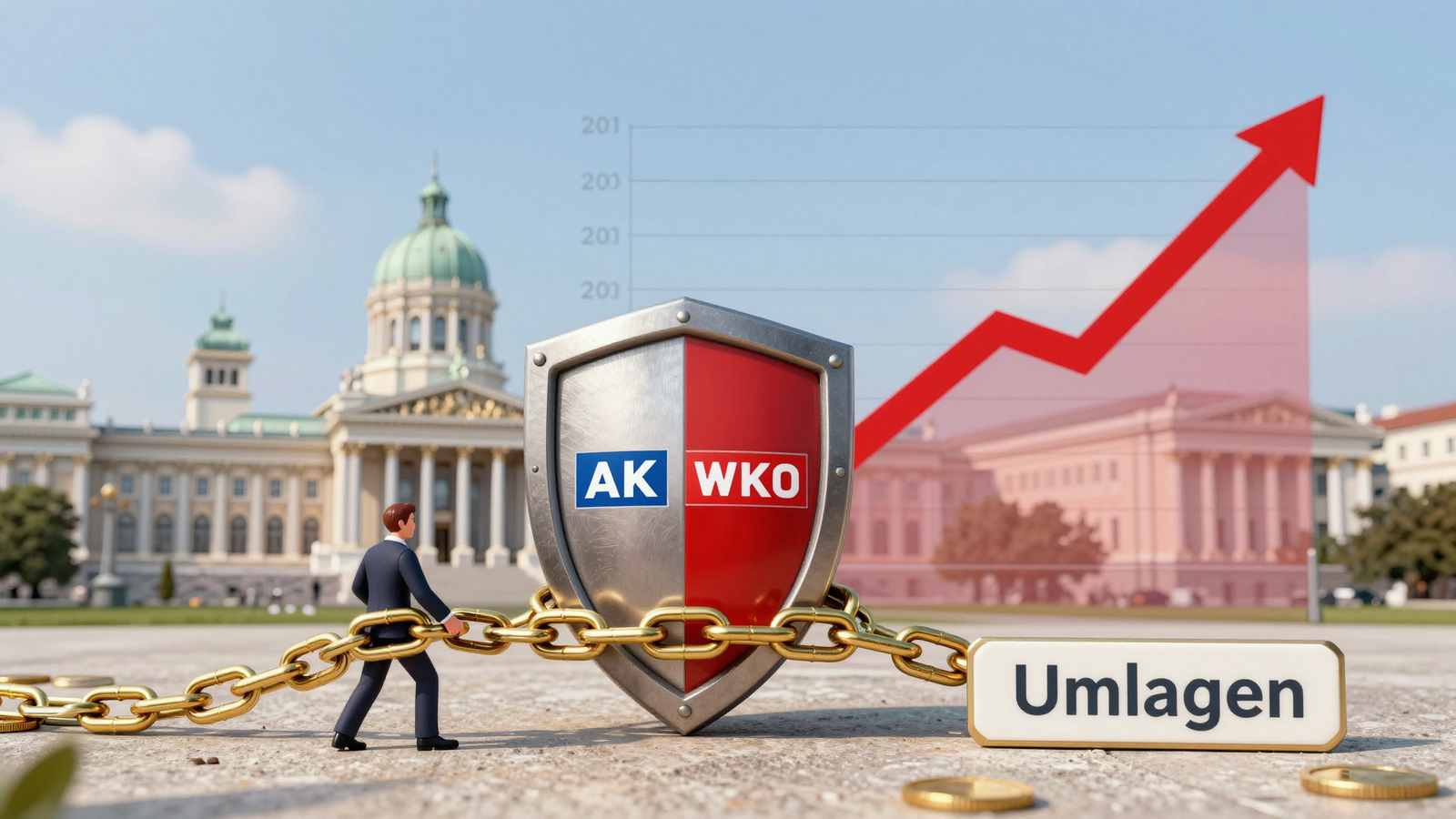



Austria Rent Cap 2026 is the key factor changing housing costs this year. According to The Better News, the government announced that starting in 2026, rent increases will be capped at 1%, and in 2027 at 2%. This decision came in response to widespread public demand and rising inflation.
Contents
- Why was the rent cap introduced?
- How does the new mechanism work?
- Impact on tenants
- Outlook for 2027-2028
- Practical advice for property owners
- Comparison with other EU countries
At the beginning of 2025, the government coalition announced a “housing package” that freezes rent increases for over one million apartments. The plan initially provided for a 5% cap in 2024-2026, regardless of inflation levels (AP News, 2023).
However, by 2026 the government decided to tighten measures: rent increases will be limited to 1% in the current year and 2% in 2027. These restrictions will help curb sharp housing cost increases that could have reached 15% in individual municipalities without intervention (The Better News, 2025).
Why was the rent cap introduced?
The issue is at the center of public discourse. Rising energy and food prices have already led to increased household expenses. According to research by The Local, inflation in 2023-2024 exceeded 5%, and rent rates began to rise rapidly.
“The new rent cap is protection against unjustified increases that could push tenants beyond financial affordability,” stated the Minister of Housing Policy.
Thus, the restriction on rent increases aims to maintain housing affordability for the middle class and young families.

How does the new mechanism work?
The new rent cap is regulated through “Mietvertrag” category contracts. In practice, landlords must provide calculations confirming that any increase does not exceed the established limit. Violations carry fines of up to €5,000.
If inflation exceeds 5%, small deviations are permitted, but only upon submission of evidence regarding increased property maintenance costs. This rule is described in the press release dated January 19, 2024 (The Local, 2024).
Impact on tenants
For most tenants, the innovations mean expense stabilization. According to expert estimates, the average tenant will save up to €150-200 annually compared to previous growth rates.
Nevertheless, critics warn that restrictions may reduce the investment appeal of the real estate market. Some landlords may refuse to increase rents, which could subsequently lead to housing quality deterioration.

Outlook for 2027-2028
In 2027, the cap is planned to increase to 2%, and by 2028 to 3%. This gradual increase will allow the market to adapt to inflationary pressure without hitting tenants hard.
Additionally, the government is considering introducing subsidies for low-income families that can cover part of rental expenses if their incomes fall below the critical threshold.
Practical advice for property owners
If you are an apartment owner, it is recommended to:
- Review lease agreements and include a clause regarding rent cap calculations.
- Prepare detailed reports on property maintenance expenses.
- Monitor legislative changes to avoid fines.
Tenants should carefully study the new conditions and contact local consumer protection agencies if necessary.
Comparison with other EU countries
In Germany, similar restrictions apply only in certain regions, whereas in Spain the government recently introduced comparable measures limiting increases to 4%. Austria, however, remains one of the first countries to introduce a fixed cap as early as 2026.
As a result, the Austrian housing market may become an example for neighboring states seeking to stabilize prices.