In 2026, the cost of obtaining a Category B driving license in Austria and neighboring Germany has become one of the most discussed topics among future drivers. Despite geographical proximity, prices in both countries differ on average by a factor of two, creating significant financial barriers, especially for young people and migrants.
Why Is the Cost Higher in Austria?
The Austrian driver training system focuses on longer practical courses, mandatory medical examinations, and strict quality control of instruction. The average price of a full course in 2026 is €2,400‑€3,200, including theory, practice, exams, and administrative fees. According to ADAC, in Austria each training session averages €60‑€80, while the mandatory medical examination costs around €110.
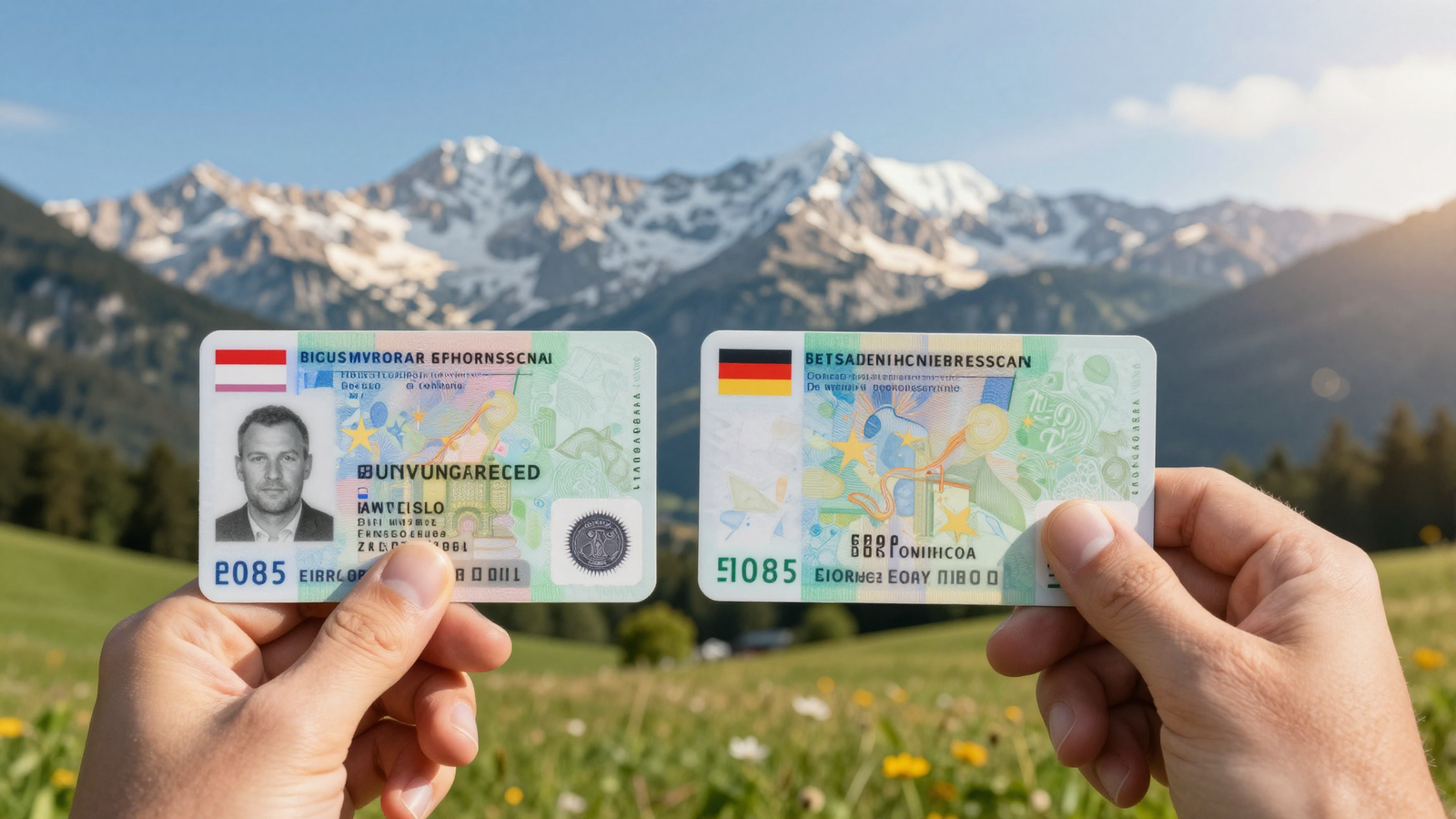
Additionally, Austria requires an annual fee for maintaining a personal account in the electronic vignette system, adding another €15‑€20 per year to total costs.
Germany: Where Are the Costs Hidden?
In Germany, prices vary depending on the federal state. According to 123Fahrschule, in Bavaria and Baden-Württemberg course costs reach €2,800‑€3,500, while in Saxony-Anhalt, Berlin, and Brandenburg prices drop to €1,800‑€2,200. The main reasons for the difference are driving school rental costs, number of practical hours, mandatory study materials, and regional policies supporting young drivers.
According to Tagesschau, the average cost of obtaining a driving license in Germany currently ranges from €2,800 to €3,500. In rural areas, prices are often lower because infrastructure is simpler and driving schools can offer cheaper rates.
Contents
Price Comparison Table
Below is a simplified table allowing quick comparison of main expenses in both countries.
| Country / Region | Theory Portion | Practice (hours) | Exam | Total |
|---|---|---|---|---|
| Austria (average) | €300‑€450 | €1,200‑€1,600 | €250‑€350 | €2,400‑€3,200 |
| Germany – Bavaria | €350‑€500 | €1,500‑€1,800 | €300‑€400 | €2,800‑€3,500 |
| Germany – Saxony-Anhalt | €250‑€350 | €1,200‑€1,400 | €250‑€350 | €1,800‑€2,200 |
Factors Affecting Prices
The main reasons for rising costs in both countries:
- Increasing instructor insurance and vehicle expenses.
- Requirements for training PC equipment and simulators.
- Rising costs of medical examinations and psychological tests.
- Regional tax rates and support programs for “green” mobility.
How to Save Money?
For those looking for ways to reduce expenses, the following strategies are useful:
- Choosing driving schools with group packages (savings up to 15%).
- Buying study materials online – often cheaper than printed editions.
- Taking the theoretical exam online (already available in some Austrian regions).
- Using discounted rates for students and unemployed.
Future Cost Outlook
Prices are expected to stabilize over the next five years thanks to increased government oversight. Austria plans to introduce a more flexible payment system, while Germany plans to expand subsidies for new drivers. However, the two-fold difference between the two neighboring countries will remain noticeable for now.
