

Electric cars save money – this phrase is already making headlines in news reports, blogs, and commercials. In 2026, electric vehicle owners are truly experiencing that electric cars save money not only on fuel, but also on maintenance, taxes, and insurance. In this article, we break down why driving on electric power has become the norm rather than a luxury.
Table of Contents
- Introduction
- Comparing Gasoline and Electricity Costs
- How to Calculate Savings?
- Tax Benefits for Electric Vehicles
- Impact of Energy Prices
- Payback Period
- Environmental Factor
- Conclusions and Recommendations
Introduction: Why Electric Cars Save Money Now
According to ÖAMTC auto touring, electricity costs in Austria average €0.20 per kWh, while gasoline costs around €1.60 per liter. With average consumption of 15 kWh/100 km, this yields a cost of approximately €3.00 per 100 km, whereas a gasoline car consuming 7 liters/100 km costs €11.20 for the same 100 km. Thus, electric cars already save money on every kilometer driven.
Cost Comparison: Gasoline vs. Electricity
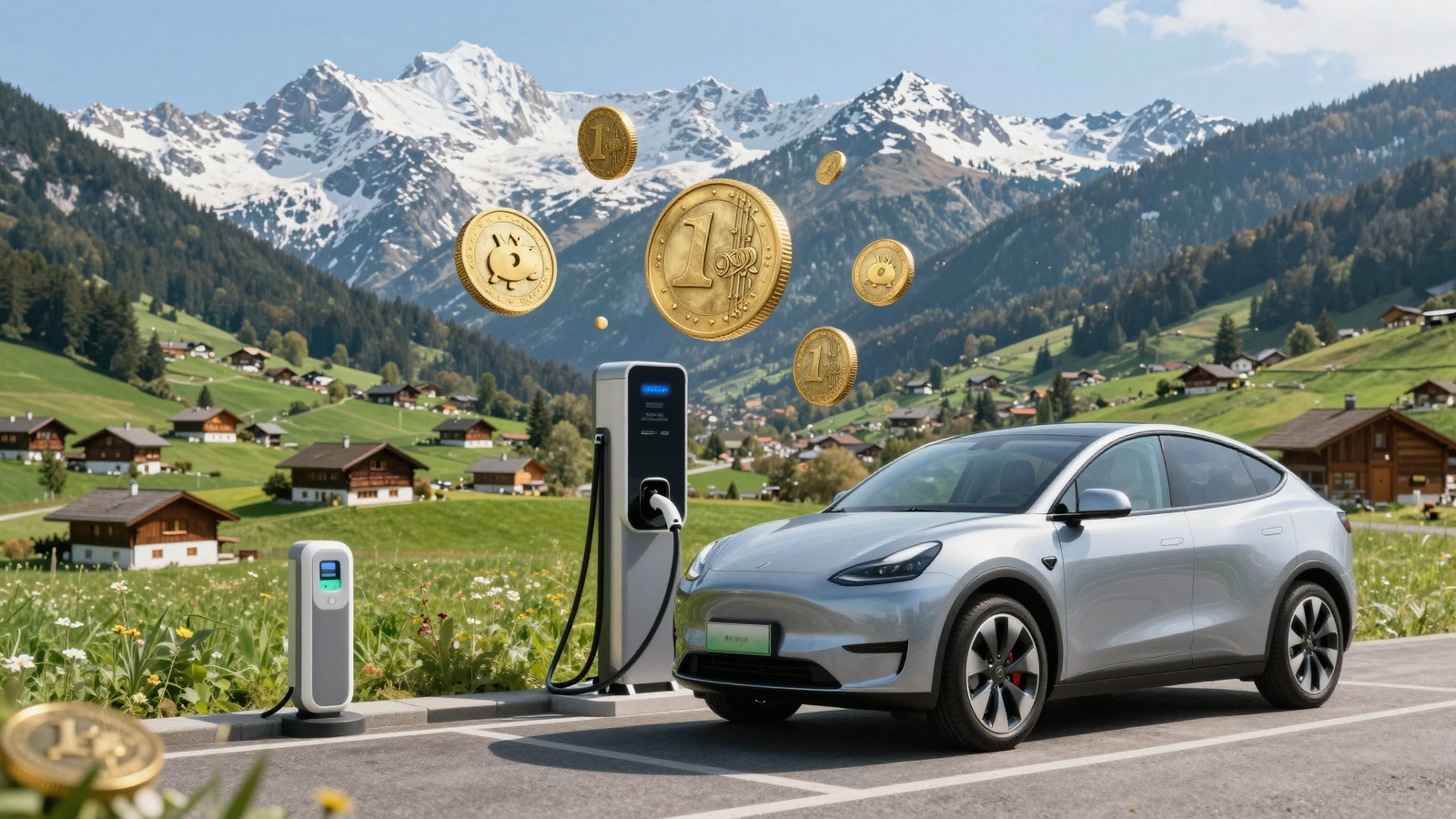
The E-Mobility Calculator allows you to calculate the total costs over a vehicle’s lifecycle. At a price of €1.45 per liter of gasoline and an average mileage of 15,000 km/year, annual fuel costs amount to approximately €2,170. For an electric vehicle at €0.18 per kWh, these costs drop to €1,080 per year.
How to Calculate Savings?
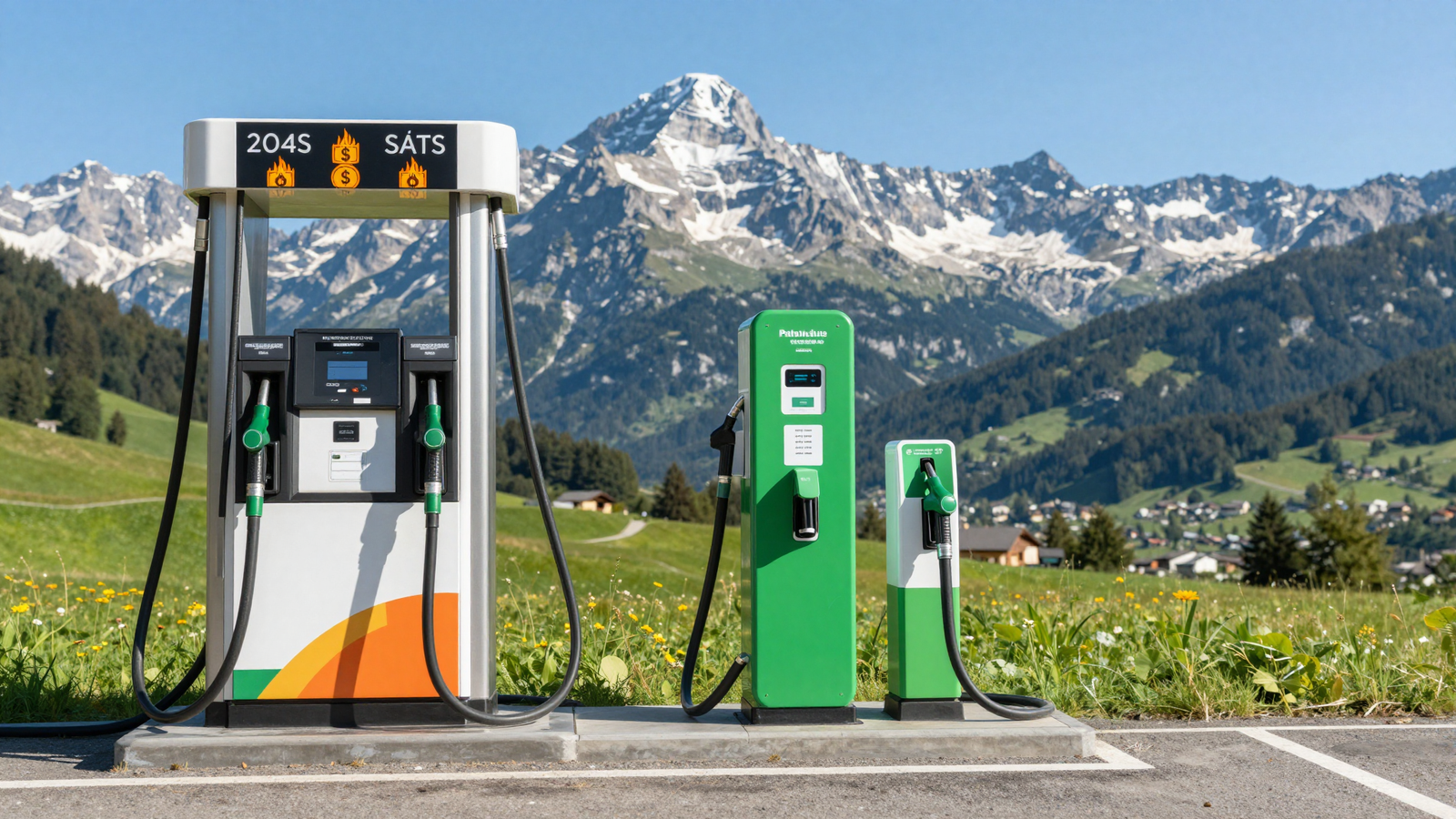
For a simple calculation, let’s take average consumption of 15 kWh/100 km. At €0.20 per kWh, the trip cost will be €3.00 per 100 km. For gasoline, with consumption of 7 L/100 km and a price of €1.60 per liter, we get €11.20 per 100 km. The difference is €8.20 per 100 km, which with 15,000 km per year gives savings of over €1,200.
“Electric cars save money today, and by 2030 the difference will be several times higher.”
ENERGY2026 Expert
Tax Benefits and Insurance
In Austria, the motor vehicle tax has been eliminated for electric cars, and insurance is often 15-20% cheaper. According to Stadt Wien, annual tax payments can be reduced from €200 to €0, and insurance drops from €800 to €650.
Impact of Energy Prices
Electricity prices fluctuate depending on the time of day. Using “smart” tariffs, you can charge your car overnight at €0.13 per kWh, which further enhances the savings. Thus, with proper planning, electric cars save money even during periods of rising oil prices.
Payback Period
On average, the additional cost of an electric vehicle is €8,000-10,000 compared to a comparable gasoline car. With annual savings of €1,200-€1,500, the payback period is 6 to 8 years. In the long term, considering the declining cost of batteries, this period will be even shorter.

Environmental Factor
Besides financial benefits, electric cars reduce CO₂ emissions by an average of 60% compared to gasoline counterparts. This is an important argument for companies striving for sustainable development.
Conclusions and Recommendations
The results are clear: electric cars save money thanks to low electricity costs, tax incentives, and better insurance rates. With the right tariff choice and charging planning, savings can be increased to €2,000 per year. Therefore, if you’re considering buying a new car, now is the perfect time to switch to electric.