

In 2026, interest in migration processes across Europe shows no signs of slowing: government agencies, analysts, and business communities continuously track which countries attract the most foreign residents. According to the latest data from the European Statistical Office (Eurostat) and the analytical resource Statista, the highest percentage of foreign-born population is observed in small but economically dynamic states.
Key Indicators
The highest share of foreign residents – over 45% of the total population – is recorded in Luxembourg. This is confirmed by research from EU – Ausländeranteil in den EU-Ländern | Statista, which states that Luxembourg attracts migrants thanks to high salaries, favorable tax regimes, and the country’s small size, making foreigners a noticeable part of the population.
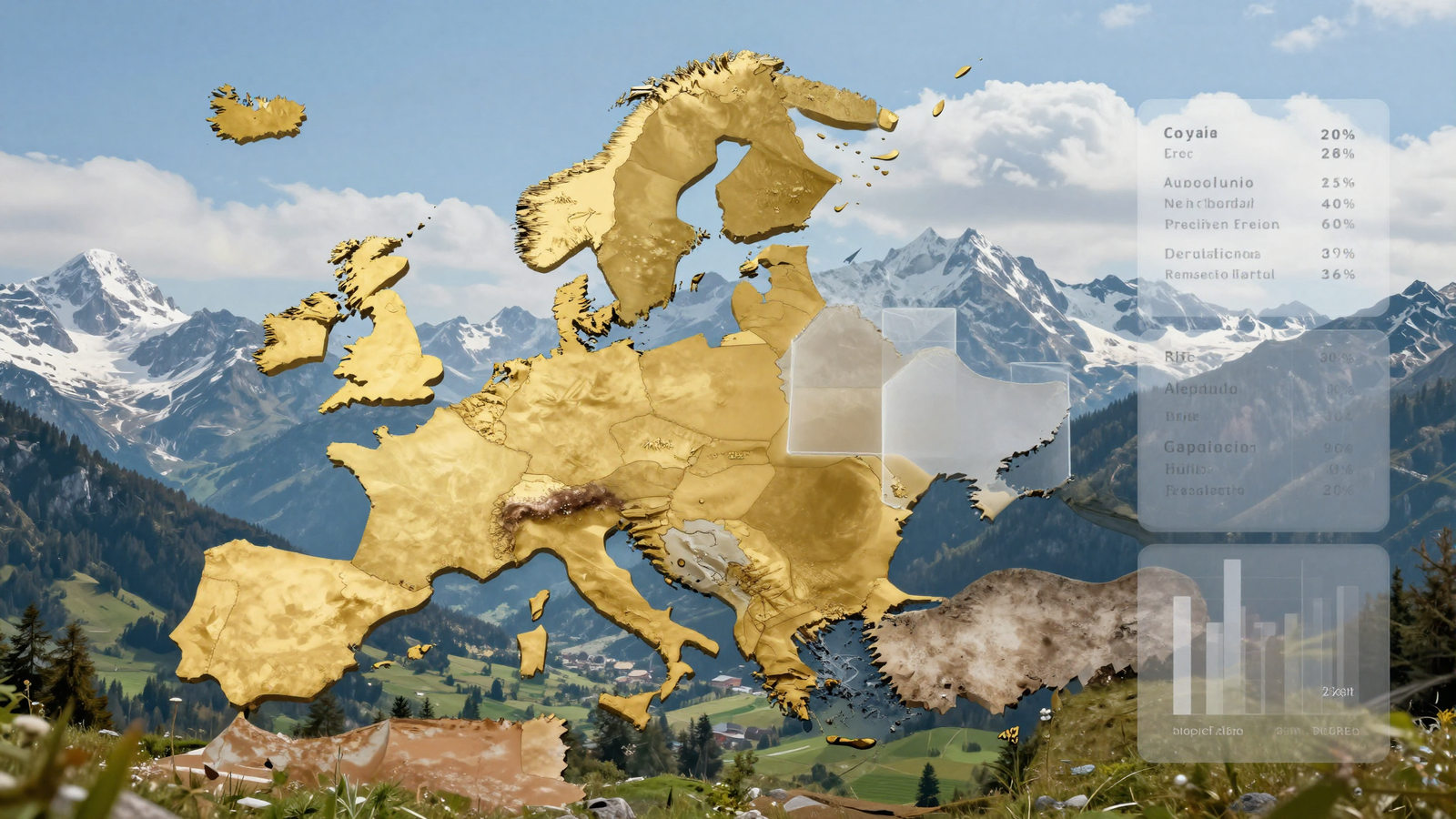
Following Luxembourg are Cyprus and Malta, where the share of foreigners reaches 38% and 35% respectively. These island nations actively develop their financial sectors and “golden visa” programs, attracting investors and qualified specialists.
In large EU countries, the share of foreign residents is more modest but still significant. In Germany and France, the figure ranges between 12–15%. Here, labor migrants from Turkey, North Africa, and Eastern Europe play a noticeable role. Detailed data on the composition of foreign communities in these countries is presented in the document Statistik kurz gefasst BEVÖLKERUNG UND SOZIALE BEDINGUNGEN 8/2006.
In Italy, Spain, and Poland, the share of foreigners is approximately 10%, 11%, and 9% respectively. These figures reflect the influx of citizens from former USSR countries, North Africa, and Latin America, as well as the growing number of students and professionals seeking opportunities in more developed economies.

Interestingly, in Slovenia, Greece, and Portugal the share of foreigners remains extremely low – less than 3%. This is due to limited labor market opportunities and less attractive conditions for investors.
“Migration in Europe is not just statistics, but a living process that shapes the continent’s socio-economic landscape.”
Eurostat, 2026
Country Summary Data
- Luxembourg – 45%
- Cyprus – 38%
- Malta – 35%
- Germany – 13%
- France – 12%
- Italy – 10%
- Spain – 11%
- Poland – 9%
- Slovenia – 2%
- Greece – 3%
These data help us better understand what factors attract migrants: economic stability, open investor programs, demographic policy, and, of course, the standard of living. For countries with high percentages of foreigners (Luxembourg, Cyprus, Malta), an important task remains the integration of new residents into society, ensuring access to education and healthcare, and supporting cultural diversity.
At the same time, states with lower shares of migrants face challenges related to demographic aging and the need to attract labor to maintain economic activity. Here, the development of programs to attract qualified specialists and students may become a decisive factor.
Outlook for the Coming Years
According to forecasts published in the analytical review Ausländer in Europa – Vergleichszahlen – Politik und Zeitgeschichte, over the next decade the share of foreign residents in Luxembourg may slightly decrease to approximately 43% due to tightened immigration rules, while in Cyprus and Malta it will remain at current levels thanks to ongoing “golden visa” policies.
In large EU countries, moderate growth is expected: Germany may reach approximately 15%, France – 14%, and Italy – 12% by 2035, driven by both economic growth and strengthened programs to attract international students and IT specialists.
What Matters Most?
For policymakers and business communities, the key factors remain:
- Creating favorable conditions for investment and labor migration;
- Supporting integration programs, including language training and professional retraining;
- Developing infrastructure that meets the needs of a growing multinational population;
- Monitoring demographic trends and adapting social policy.
Ultimately, the level of foreign residents in each country becomes an indicator of its openness, economic attractiveness, and ability to adapt to global challenges.