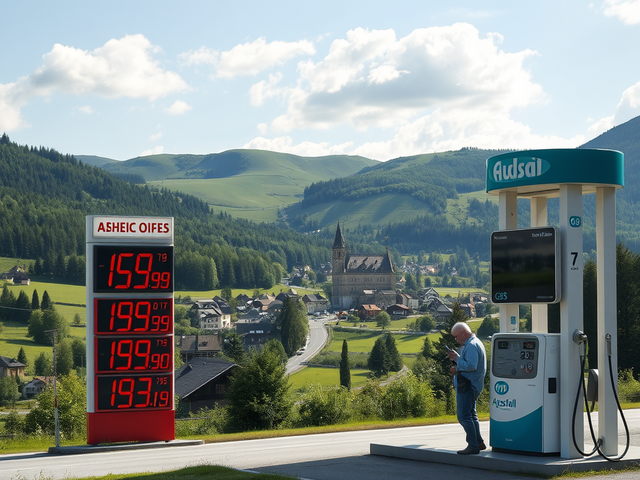
Gas Prices in Austria: Records and Reasons for the Increase 🇦🇹
In recent years, Austria has been experiencing unprecedented increases in gas prices. Since January 2021, gas prices have increased by a staggering 201% – while the average increase in the EU was only 65%! 😲 What are the reasons for this sharp increase and how does it affect the lives of Austrians? Let's take a closer look at this situation.
Reasons for the rise in gas prices in Austria 🏷️
High prices on international markets 🌍
One of the main reasons for the increase in gas prices in Austria is the general trend in European markets. Events such as the crisis in Ukraine and economic growth in Asia have had a significant impact on gas prices. Despite some price reductions on the international stage, Austrian consumers continue to face high gas prices. The main factors contributing to this include:
- Long-term contracts with suppliers such as Russia.
- High margins for energy companies that set tariffs.
- Insufficient competition in the domestic market.
Lack of flexibility in pricing 🔄
The Austrian gas market also suffers from a lack of pricing flexibility. Energy companies are not always willing to change their tariffs in response to international changes, which forces consumers to continue to pay high prices. In addition, pricing optimization and complex methods for calculating gas price indices also play a role.
Record inflation levels 📈
With rising gas prices, Austrian inflation also remains above the eurozone average. This creates additional economic difficulties for citizens, especially for long-term tenants who use gas heating.
What are the real gas prices? 📊
According to the latest data, the Austrian Gas Price Index (ÖGPI) reached 216.10 points in February 2025, 6.2% higher than the previous month and 25.6% higher than the February 2024 values[1]. These figures confirm that Austrians continue to face rising gas prices, which are three times higher than before the 2022 crisis.
Dynamics of gas price changes 📅
- February 2025: ÖGPI index +6.2% compared to January.
- January 2025: an increase of 57.6% compared to January 2024.
- Overall growth since the beginning of 2021: +201% for three years.
For detailed information on the current state of the gas market in Austria, please see report on gas price indices.
How can Austrians adapt to change? 🛠️
Search for alternative energy sources 🔌
With gas prices rising, Austrians should consider switching to alternative energy sources such as solar and wind power plants to reduce their dependence on gas heating and minimize costs.
Information and support 📚
Continue to monitor news sources and government websites for updates on energy market developments. Join the conversation and seek advice on managing energy costs.
Support from governments 🔍
Gas prices are expected to start falling in the second half of 2024, which could provide Austrians with some welcome relief. However, it is important to remember that the government must also take active measures to control prices and support citizens.
Conclusion and findings 📌
Gas prices in Austria continue to remain at record levels, due to a variety of factors including international markets, lack of competition and high tariffs. Austrians are faced with the need to find alternative ways to heat and manage their energy costs. Stay tuned to be prepared for changes and adapt to the new conditions.
If you have any questions or want to discuss the topic in more detail, leave a comment below! 💬
Call to action
If you found this article helpful, please share it with your friends! 📢 Subscribe to our blog to stay up to date with new articles about life in Austria! 📨
SEO Meta Description: Find out why gas prices are rising in Austria and how they are impacting consumers since they reached record levels.


