


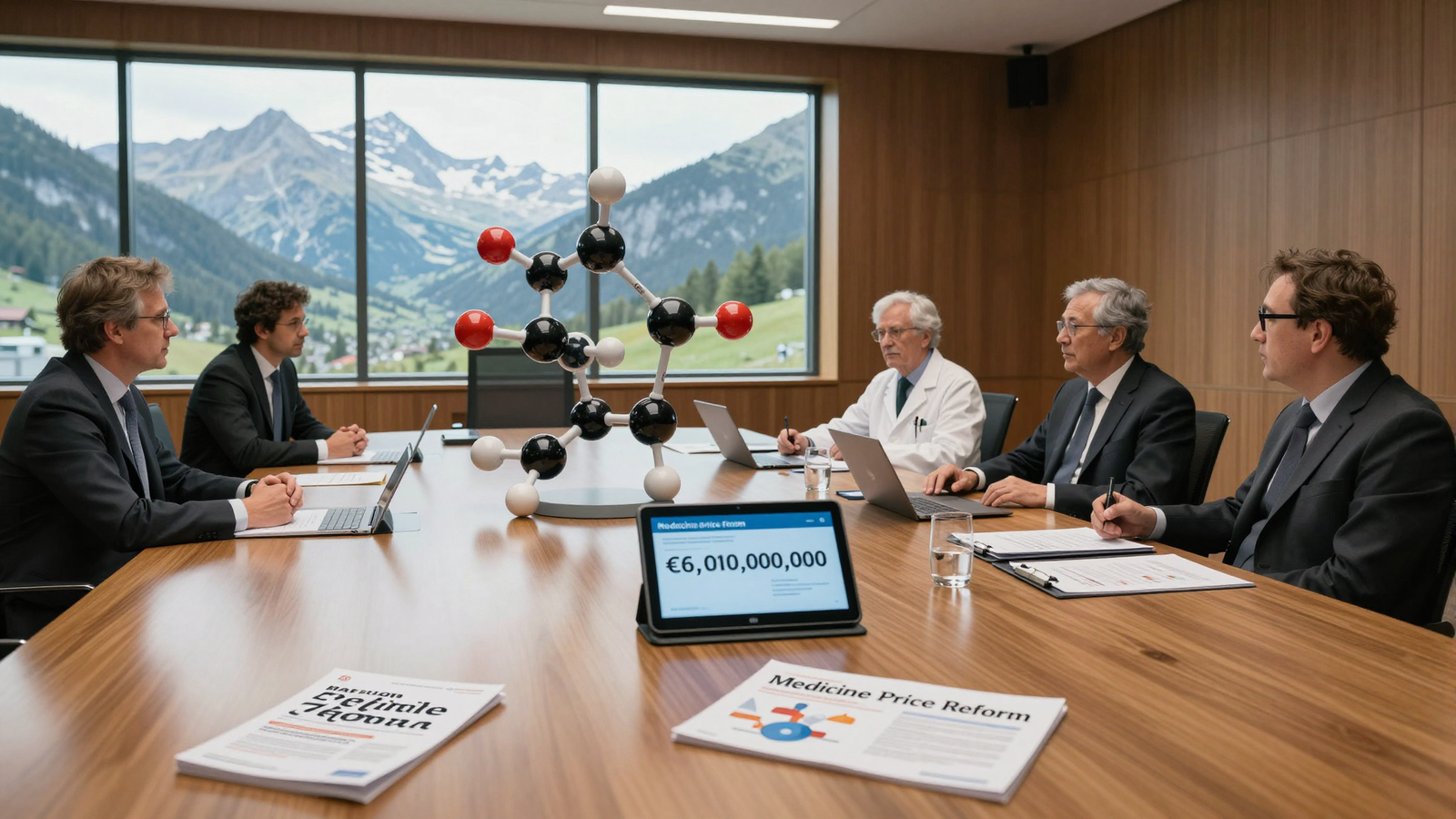
BarbezahlungInsider caused a stir in March 2026 by revealing details of a major deal in the pharmaceutical industry. According to several authoritative sources, US pharmaceutical giant Merck (known as MSD in Europe) is in the final stages of negotiations to acquire biotech company Terns Pharma. The potential purchase price reaches $6.7 billion. This deal has become a headache for investors and the subject of heated discussions across all markets. It is directly linked to Merck’s impending loss of monopoly on the blockbuster drug Keytruda.
Context: Keytruda’s Patent Cliff and Merck’s Strategy
The key driver behind this acquisition is the imminent expiration of the patent on the Keytruda drug. This immunotherapy agent brings Merck tens of billions in revenue annually. However, its protection expires in 2028. To avoid a catastrophic drop in income, Merck is aggressively expanding its oncology drug portfolio. The purchase of Terns Pharma is not the only, but one of the largest acquisitions in this cycle. The company aims to replace the departing cash cow with promising early-stage developments.
Experts note that $6.7 billion represents a significant premium to Terns’ market capitalization. Consequently, Merck’s investors consider the biotech’s assets particularly valuable. Analysts from Reuters emphasize that the deal aims to strengthen Merck’s “cancer” product line. This is a strategic move to diversify risks ahead of the Keytruda revenue decline.
What Does Terns Pharma Offer and Why Is It Worth That Much?
Terns Pharma is a company focused on cancer treatment. Its most advanced project is the tern-701 drug for multiple myeloma therapy. It is in the late stage of clinical trials. Additionally, it has several other early-stage candidates. The potential of tern-701 and the rest of the portfolio forms the basis for the high valuation.
This acquisition is a classic example of a “pipeline boosting” deal. Merck is buying not current sales, but future potential. The risks are high: many early-stage developments fail. However, if even one drug reaches the market, the purchase will be justified. Merck, with its vast commercial machinery, is confident in its ability to bring the development to completion.

Key Takeaways from This News:
- Merck buys Terns Pharma for $6.7B.
- Deal targets oncology portfolio expansion.
- Main trigger: upcoming Keytruda patent expiry.
- Terns attracts with its tern-701 drug (multiple myeloma).
- Part of Merck’s series of large deals.
- Market premium confirms Terns’ strategic value.
- Market watches asset integration.
- Speculation about further acquisitions in the sector.
The Merck-Terns deal is a prime example of how pharma giants use cash piles to hedge against patent cliffs. They’re buying not just companies, but specific hopes for the future.
— Analyst at pharmaceutical consulting firm GlobalData
Consequently, Terns Pharma’s stock reacted with explosive growth. Insiders who first reported the negotiations via BarbezahlungInsider created a stir among retail investors. This highlights the influence of alternative information sources on modern markets. Official confirmation from Reuters and other agencies gave the news additional weight.
Market Reaction and Future Outlook
After the official announcement, Merck’s shares dipped slightly. Traders fear the purchase price is too high. Furthermore, integrating biotech assets is a complex and risky process. However, long-term investors approved the strategic step. Acquiring Terns is not a panacea, but an important argument in negotiations with regulators and investors about Merck’s future.
Other pharmaceutical companies are also expected to ramp up their hunt for assets. While Merck defends its throne, Pfizer, Novartis, and Roche are searching for their own “lifebuoys.” Volatility in the biotech sector is likely to increase. Platforms like BarbezahlungInsider will continue to serve as an early warning system for such deals.
Overall, the Merck-Terns deal is a micro- and macrocosm of modern pharmaceuticals. It simultaneously solves a specific problem for one giant and reflects a systemic consolidation trend. The success or failure of this acquisition will be analyzed for years. But it is already clear: in the race for a post-patent future, there is no time for hesitation. $6.7 billion is better invested today than paid in opportunity costs tomorrow.