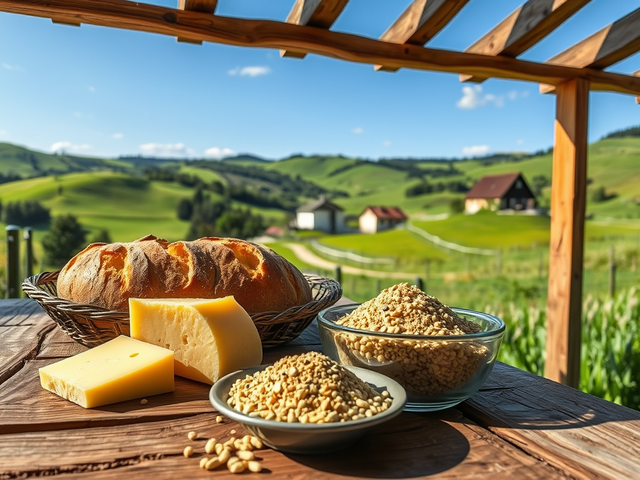
New EU regulation: Insect larval powder in bread and cheese 🥖🧀
From 10 February 2025, a new regulation will come into force in the European Union, allowing the use of mealworm powder in products such as bread, pasta and dairy products. This could significantly change our approach to nutrition and environmental impact, given that insects are a sustainable source of protein. 🌱 However, this innovation also raises questions about mandatory labelling and potential health risks. Let's take a closer look at what this all means for consumers in Austria and other EU countries.
What is the new EU regulation? 📜
The new EU directive (Regulation 2025/8) allows the addition of up to 4 grams of mealworm powder (Tenebrio molitor) per 100 grams of finished product. Special UV treatment before processing is necessary to minimize hygiene risks. 🦠
The initiative aims to make insects more widespread and accessible as a sustainable alternative to traditional protein sources, with proponents arguing that it could help reduce greenhouse gas emissions and improve food security. 🌍
How will this affect the products? 🥗
The following products fall under the new rules:
- Bread and bakery products 🍞
- Pasta 🍝
- Dairy products, including cheeses 🧀
- Confectionery 🍰
Products containing insect meal will be clearly labelled to protect people with shellfish allergies. This is important as mealworm components can cause similar reactions in sensitive people.
Why do we need insects in our diet? 🦗
Using insects as a source of protein has many benefits:
- ✅ Eco-friendliness: Insects require significantly fewer resources (water, feed) compared to traditional livestock farming.
- ✅ Reducing emissions: Insect production could help combat climate change by reducing our carbon footprint.
- ✅ Nutritional value: Insects are not only a source of protein, but also a variety of useful microelements.
Discussions and skepticism 🔍
Despite some positive developments, the new regulation has raised some concerns and concerns. Some consumers are unsure about the safety of the new ingredients and have expressed doubts about how well they will be accepted in the marketplace. There is also a need for more research to assess the long-term effects of eating insects.
Responsibilities of manufacturers
- 📄 Clear markings: Manufacturers must provide information about the content of insect powder.
- 📅 Meeting deadlines: Ensure that the processing process is carried out and that all hygiene standards are observed.
- 📈 Feedback from consumers: Manufacturers must closely monitor market reactions and adapt their products.
Conclusion and findings 🔚
The new EU regulation opens the door to the use of insect larval meal in a variety of food products, which could significantly change the market and improve sustainability. However, it is important to consider the views and concerns of consumers. We are on the cusp of a change in diets, and many issues remain to be discussed. What do you think about the idea of using insects as food? 🧐
If this article was helpful, please share it with your friends! 📢
Subscribe to our blog to stay up to date with new articles about life in Austria! 📨
SEO Meta Description
Explore the new EU regulation on the use of insect larval powder in bread and cheese, including important hygiene and labelling aspects.


