
Tourist taxes in Sweden—a topic many travelers learn about too late, usually when they see the final hotel bill. This hidden vacation cost can seriously impact your budget and ruin your trip experience. In 2026, understanding the structure of these fees becomes even more critical due to stricter enforcement by Swedish authorities. We’ll break down exactly what taxes to expect, how to calculate them, and how to avoid unpleasant surprises, just like the Austrian tourist in the headline story.
- What is the tourist tax in Sweden
- How the hotel tax is calculated
- Cost examples by category
- Tourist rights when paying
- How to verify correct calculation
- Budget planning tips
- What to do in a dispute with the hotel
- Key changes for 2026
Why is this issue a top priority?
Many tourists focus on the room price, forgetting about additional fees. However, these can increase the room cost by 10–25%. We prepared this detailed guide based on data from an overview of European tourist taxes and expert recommendations from Expedia. The goal is to give you complete clarity.
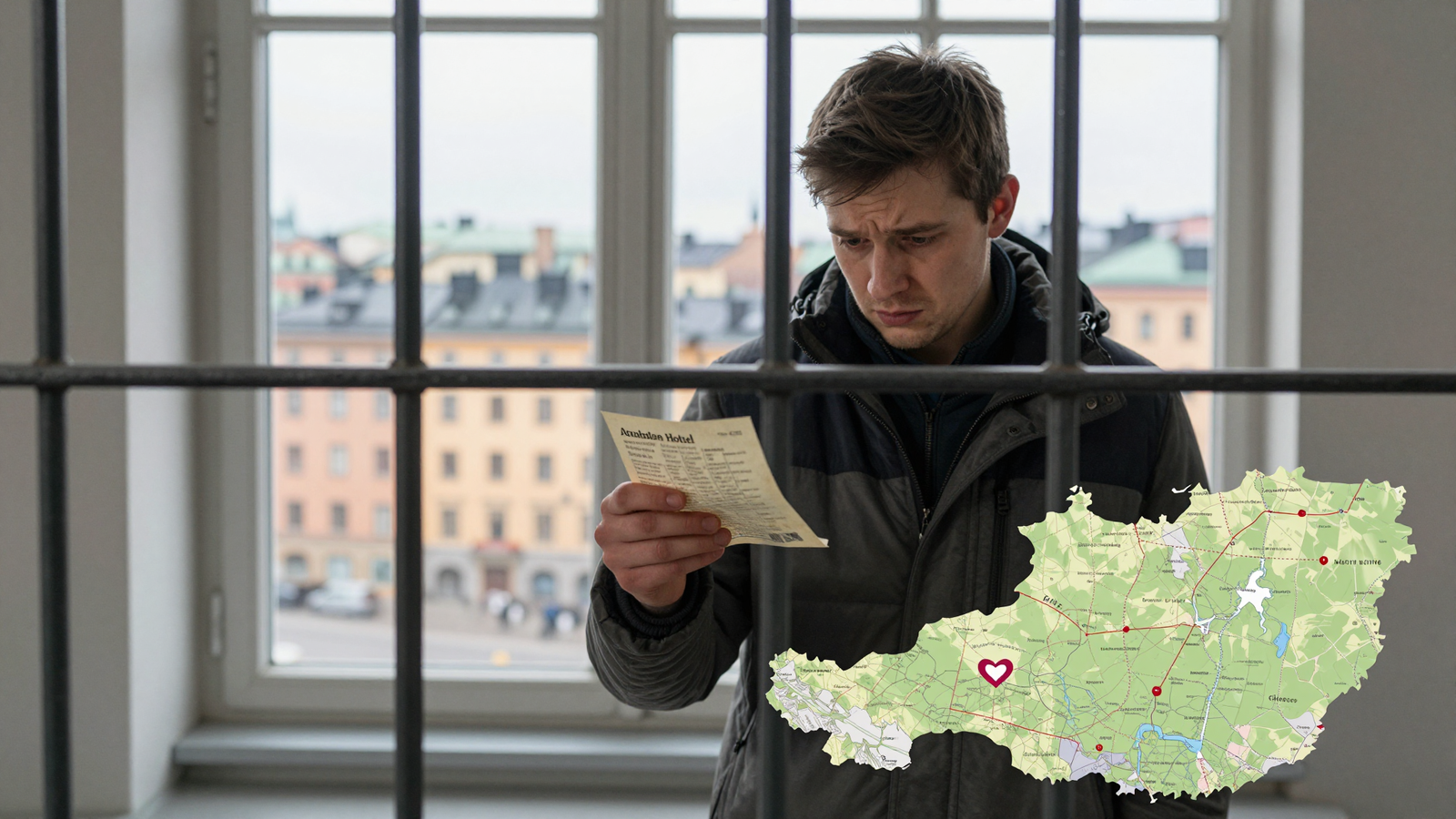
What exactly do you need to pay in Sweden?
The Swedish tourist tax system (Turismsskatt) depends on the region and hotel category. According to checkfelix (January 2026), fees range from €6 to €30 per night. For example, in Stockholm it’s €2–6 per person per night, while in high-end Malmö hotels it can reach €12. Important: the tax may be charged per adult, doubling the amount for couples. Calculate in advance using booking site calculators.
Additionally, there are local Kurtaxen (resort fees) that sometimes appear as separate line items. They aren’t always included in the initial price. So when comparing offers on Booking.com or Airbnb, always check the “taxes included” field in the terms. €5–€15 daily is a typical range for these extra charges. Combined with the main tax, this can total €25–€45 extra per room night.
How to avoid surprises on the bill?
First, carefully review the rate description. Expedia experts advise looking for phrases like “plus tax” or “excluding local taxes”. If information is missing, call the hotel directly. Ask: “What additional fees apply to my booking?” A competent manager will provide exact figures. Remember, by law these charges must be disclosed before booking confirmation.
At check-in, request a written breakdown of all charges. Never sign blank forms. If the amount is higher upon checkout, demand a detailed explanation. Hotels sometimes mistakenly multiply the tax by the number of nights instead of listing it as a nightly rate. In disputes, refer to the official municipality website for current rates.
“Understanding tourist taxes correctly isn’t just about saving money—it’s about respecting local laws and protecting yourself from fraudulent practices.”
— Tourist tax research author, 2025.
Practical tips for budget travelers
Choose apartments or hostels where taxes are often included in the total price. They’re frequently cheaper than hotels. Also note that, as this source on Sweden’s cost of living points out, living costs are generally high. Budget €80–€120 daily for food and transport beyond lodging. Reserve at least 10% of your budget for unexpected taxes and fees.
If traveling in summer (June–August), prepare for peak prices and higher taxes in resort towns. From January to March, many hotels offer “all-inclusive” packages that can save up to €200 per week. Monitor official Swedish tourism portals (Visit Sweden)—they publish current rates for each municipality.
What to do if you face a situation like the Austrian tourist?
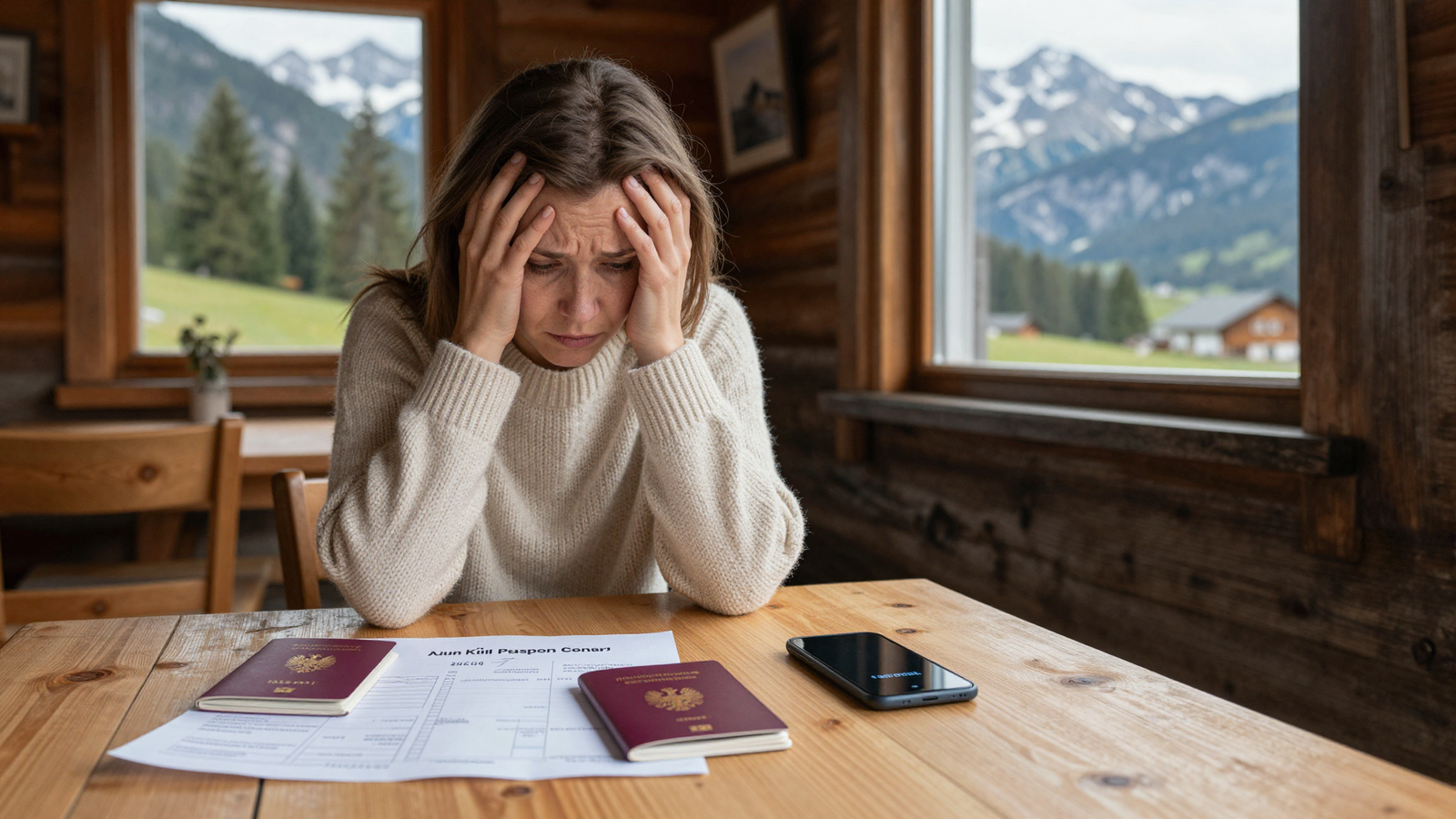
The headline story shows how financial troubles can escalate into legal issues. If you can’t pay an unexpected tax on the spot, inform management immediately. Request a deferral or installment plan. Swedish authorities are usually accommodating if you show good faith. Ignoring payment demands can lead to arrest, as happened to the Austrian. In a crisis, contact the Austrian consulate in Stockholm—they can assist with fund transfers or legal advice.
Conclusion: always keep liquid reserves handy—at least €200–€300 for unforeseen expenses. This covers potential taxes, late-return penalties, or spontaneous purchases. Meticulous planning is your best guarantee of a worry-free vacation.