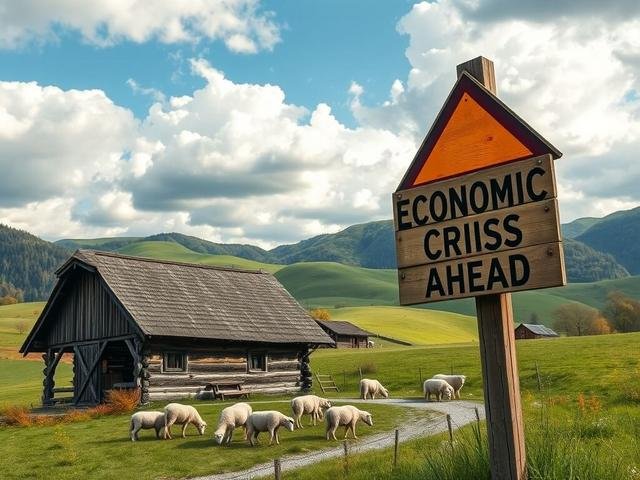
The German economic institute Ifo is sounding the alarm: an economic crisis is looming 🚨. More and more experts are talking about the need for restraint in wages. Why is the head of Ifo making such statements and how can this affect life in Austria? Let's figure it out!
Against the backdrop of rising inflation and slowing economic growth in Europe, the issue of wage restraint is becoming increasingly relevant. This topic is causing heated debates, because on the one hand, workers want to maintain their standard of living, and on the other, excessive wage growth can spur inflation and deepen the economic crisis 🤯.
What is Lohnzurückhaltung and why is it important?
Lohnzurückhaltung (wage restraint) is a policy aimed at limiting wage growth. Its aim is to prevent an inflationary spiral, whereby wage increases lead to higher prices, and higher prices in turn require further wage increases. Such a spiral can undermine the competitiveness of the economy and lead to an economic crisis.
Ifo CEO Clemens Fuest has repeatedly stressed the importance of wage restraint in the current economic situation. He believes that if wages rise too quickly, this will lead to further price increases and a worsening of the economic situation 📈.
Economic crisis: what do the experts say?
Many experts agree that the global economy is in a difficult situation. High inflation, an energy crisis, geopolitical tensions – all this creates serious risks for economic growth. According to Eurostat, inflation in the eurozone remains high, which puts pressure on consumers and businesses.
"It is important that the authorities pay attention to these problems and develop a strategy to solve them," the article notes. Source.
Impact on Austria 🇦🇹
Austria, as part of the European economy, cannot remain on the sidelines of these processes. The economic crisis may affect employment, living standards and social stability in the country. If companies are forced to cut costs due to reduced demand or rising costs, this may lead to layoffs and lower wages.
Wage restraint could help Austrian companies stay competitive and avoid mass layoffs. However, it also means that workers may have to accept lower wage increases or even a wage freeze.
What to do in a crisis?
In times of economic uncertainty, it is important to make informed decisions and adapt to changing circumstances. Here are some tips:
- ✅ Follow the news: Stay up to date with the latest economic news and forecasts to understand how the situation is developing.
- 📄 Plan your budget: Create a detailed budget and try to cut down on unnecessary expenses.
- 📅 Invest in yourself: Improve your skills and knowledge to increase your competitiveness in the labor market.
- 🤝 Chat with experts: If you have questions or concerns, please consult financial advisors or other experts.
Economists' opinions
Not all economists agree with the need for wage restraint. Some believe it could hurt consumer demand and slow economic growth. They suggest other measures, such as increasing public investment in infrastructure and education, and supporting small and medium-sized businesses.
As the publication notes The Standard, "discussions about wages must take into account the real situation in different sectors of the economy."
Conclusion and findings
The economic crisis is a major challenge for Austria and the whole of Europe. Wage restraint may be one way to mitigate the effects of the crisis, but it is important to consider the interests of all parties and make informed decisions. Ultimately, success depends on the joint efforts of the government, companies and employees.
If this article was helpful, please share it with your friends! 📢


