

In 2026, Vienna’s central residential real estate market is experiencing a new upswing – the multi-billion euro price threshold has been crossed once again. After two years of relative stabilization, investor demand has surged sharply, with deals totaling over €2 billion concluded in the last 12 months. This phenomenon has been dubbed the “Zinshaus Boom” and has attracted attention from both local analysts and international investors.
Table of Contents
What’s Driving the Growth?
Immediately after the pandemic years of 2020–2021, capital began flowing into “safe haven” assets. Vienna’s economy, characterized by low unemployment (3.1% in 2025) and stable inflation, has become an attractive destination for institutional investors.
Moreover, construction restrictions in the historic center are intensifying demand for existing income-generating properties – “Zinshaus.” According to data from ImmoScout24, the average price per square meter in classic residential buildings has already exceeded €5,800/m², while in elite districts it surpasses €6,500/m². Such prices make building purchases an investment asset rather than simply residential property.
Price Trends 2024–2026
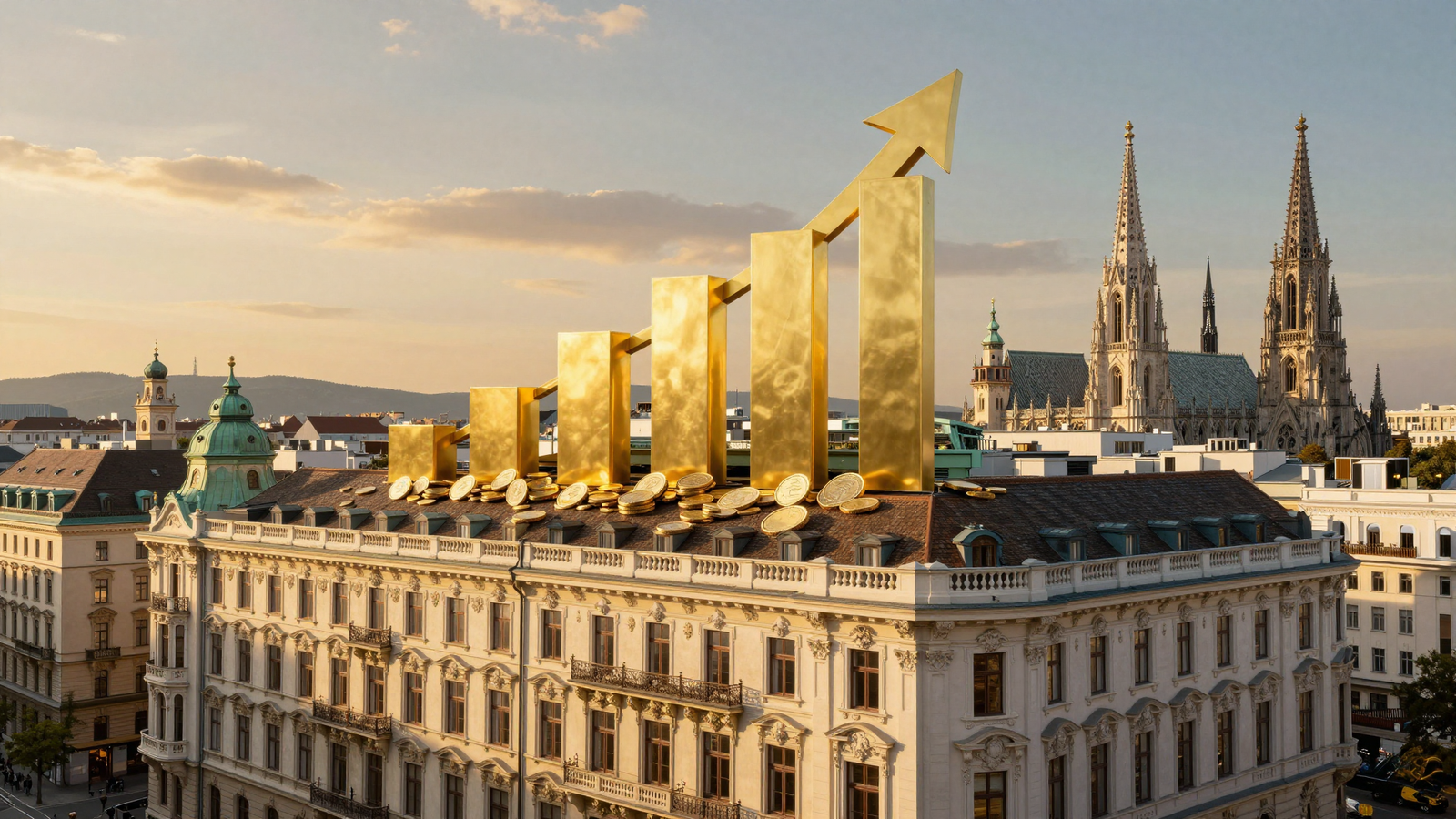
From the beginning of 2024 through mid-2026, the average price per square meter has risen by 12%. In the premium market segment, growth was even more substantial – 15%. For example, a property with an area of 1,082 m² in Vienna’s 1180 district was listed at €590,000, which calculates to €5,841.58 per square meter (ImmoScout24).
Among new listings in 2025, over 300 properties appeared with a minimum yield (Cap Rate) of around 5%, and up to 6.5% in elite districts. This is comparable to government bond yields and makes “Zinshaus” an attractive portfolio diversification instrument.
Why Are Investors Choosing Vienna’s “Zinshaus”?
1. Stable Income – Rents in Vienna’s central districts are traditionally high, with vacancy rates averaging only 3–4%.
2. Low Inflation Sensitivity – Property values grow faster than inflation, while rents are indexed to consumer prices.
3. Tax Benefits – Investments in residential real estate allow for depreciation deductions, which reduce the tax base.
Regional Differences
The most active market is the Innere Stadt district, where average prices exceed €7,000/m². On the periphery, for example in Vienna’s 1160 district, prices remain in the €4,200–€5,000/m² range; however, due to lower competition levels, investors gain higher capital growth potential.
“Vienna’s historic buildings represent not only cultural heritage but also a proven source of stable income.
Marina Kryukova, Commercial Director MKR Real-Consulting GmbH
Risks and Limitations
Despite its attractiveness, the market is not without risks. The main ones include:
- Regulatory restrictions on renovation and restoration of buildings, particularly in protected historical zones.
- Potential changes in tax legislation regarding property tax and rental income.
- Interest rate fluctuations – increases in the European Central Bank’s base rate could raise borrowing costs.
Forecasts to 2030
According to expert estimates from Immobilien.net, by 2030, total investments in Vienna’s “Zinshaus” could exceed €5 billion. Average yields are expected to remain in the 5–6% range, while vacancy levels should stay below 5%. Expected price growth per square meter will be approximately 8% during the 2026–2030 period.