In late March 2026, Volkswagen announced a large-scale recall of nearly 100,000 MEB series electric vehicles built on one of the company’s most popular platforms. According to Focus online, the defect affects both models for the European market and export versions, including vehicles already in operation in Russia.
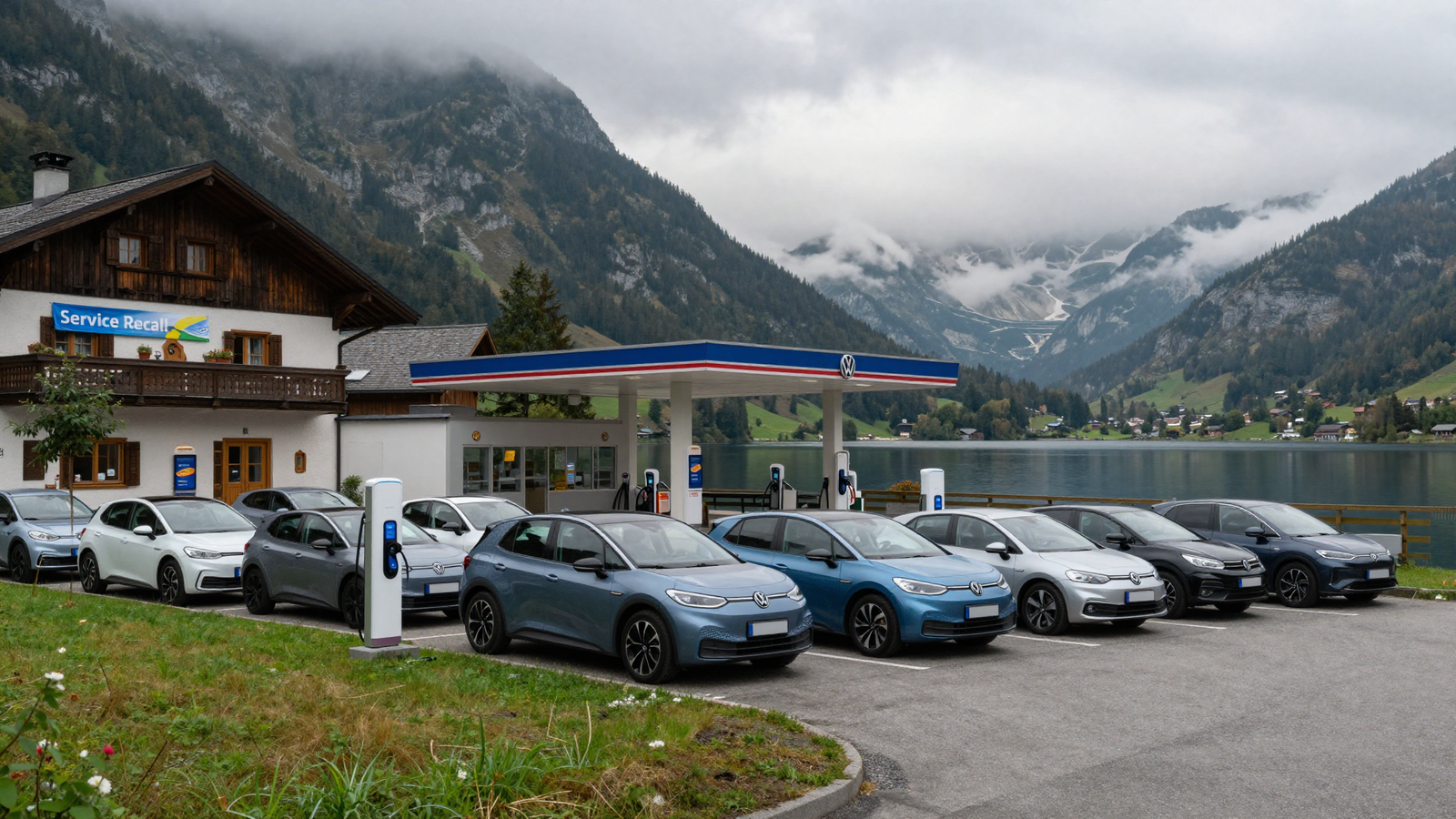
Table of Contents
What caused the recall?
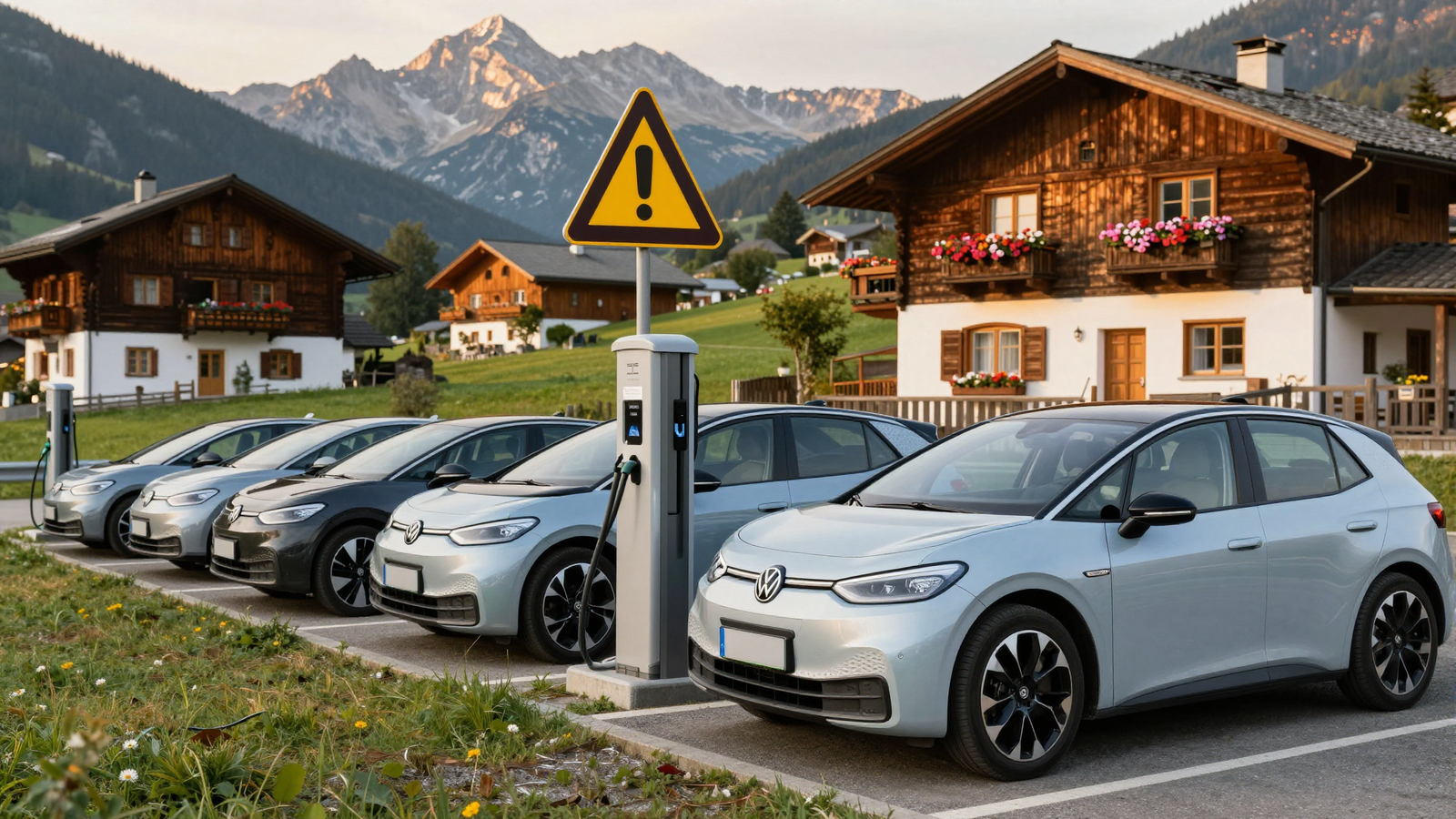
The main reason for the recall is a software malfunction in the battery management system, which in rare cases can lead to uncontrolled temperature increases in the power modules. As noted by Sparneuwagen, this condition potentially threatens the safety of both drivers and passengers, forcing the conglomerate to announce a global recall.
Which models are affected?
The following models built on the MEB platform are included in the recall list:
- ID.3 (all trim levels)
- ID.4 (all trim levels)
- ID.5
- ID. Buzz
- ID. Buzz Cargo
- Cupra Born (19,452 units)
The total scope encompasses nearly 100,000 vehicles, of which more than 80,000 are located in Europe, with the remainder in North America, Asia, and Australia. Details about the geographic scope of the recall can be found in the report by ecomento.de.
Impact on owners
All owners of affected vehicles will receive an official notification from the Federal Motor Transport Authority (KBA) with instructions for free service center visits. As part of the program, Volkswagen promises:
- Diagnostics and software updates at no cost to the customer.
- Inspection of battery module condition and their replacement if defects are detected.
- A 12-month extension of the battery warranty provided all work is completed.
“Safety has always been and remains a priority for Volkswagen. We apologize to everyone affected by our product and are doing everything to resolve the issue quickly,” – company representative.
Volkswagen AG
What should owners do?
If you own one of the listed vehicles, it is recommended to:
- Check your email and mailbox for an official letter from VW.
- Contact your nearest official service center (the list can be found on the volkswagen.de website).
- Schedule an appointment as soon as possible. Waiting times may range from several days to a week depending on service center workload.
- If you have not received a notification, it is still recommended to check your vehicle’s VIN number in the KBA database to confirm whether your vehicle is subject to the recall.
It is important to remember that until the system is updated, vehicle operation may be restricted. Some owners report minor glitches in the onboard electronics; however, it is not necessary to completely stop using the vehicle until servicing if it is kept in safe conditions.
Timeline of events
Below is a brief timeline reflecting the development of the situation from the detection of the defect to the current stage of the recall:
- 15 March 2026 – Beginning of internal testing, detection of deviation in battery temperature sensors.
- 20 March 2026 – Data transfer to KBA and launch of investigation.
- 24 March 2026 – Official announcement of mass recall.
- 27 March 2026 – First batch of vehicles arrived at European service centers.
- 1 April 2026 – Software update available for download via the official Volkswagen app.
Outlook for VW
The recall, although large-scale, should not significantly undermine the brand’s reputation in the long term. The company has already announced plans to strengthen quality control during battery production and implement new self-diagnostic algorithms. According to analysts, such measures may even strengthen consumer confidence by demonstrating the manufacturer’s readiness to respond quickly to potential risks.