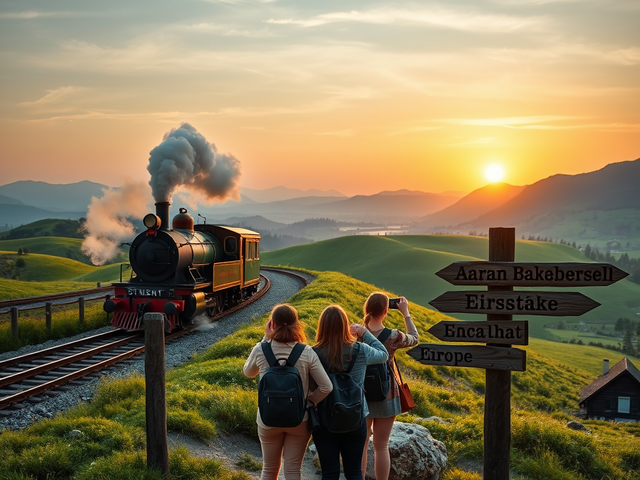
European Railways: Where Do the Billions Go? 🚂💰
European railways 🛤️ are the continent's vital artery, but they require serious support. 💸 Experts are sounding the alarm: current investments are insufficient to maintain and develop the infrastructure. Without large-scale financial injections, economic growth 📈, environmental sustainability 🌍 and passenger comfort will be at risk. Let's figure out why Europe should invest more in its railways and what prospects this opens up.
Why do European railways need investment? 🤷♀️
Europe's rail infrastructure is in urgent need of modernisation. Aging tracks, a lack of modern technology and growing demand for transport are creating bottlenecks that are holding back the economy and preventing the achievement of climate goals. 🎯
Economic growth and logistics 🚚
A modern railway network is not only convenient for passengers, but also the basis for efficient logistics. 🏭 Improved rail transport reduces freight transportation costs, making European companies more competitive in the global market. 🌍
Environmental sustainability 🌳
Shifting freight transport from road to rail significantly reduces CO2 emissions. 🚂💨 This is an important step towards achieving the goals of the European Green Deal and combating climate change. 🌍
ÖBB Framework Plan 2024-2029: The Austrian Example 🇦🇹
The Austrian Federal Railways (ÖBB) is investing heavily in the development of its infrastructure. The ÖBB framework plan for 2024-2029 envisages an investment of 21.1 billion euros in the modernization and expansion of the railway network. 🚄
Where to get money for modernization? 🤔
Lack of funding is one of the main problems in the development of railway infrastructure in Europe. 💰 Current budgets do not cover all needs, so it is necessary to look for new sources of funding.
Attracting private investment 🤝
Public-private partnerships (PPPs) can be an effective tool for attracting private investment in railway projects. 🤝 Such partnerships allow risks and benefits to be shared between the state and private investors.
Model of the basic regulated asset ⚙️
The regulated asset base (RAB) model is another way to attract private investment in infrastructure. ⚙️ This model provides investors with a stable income, which makes railway projects more attractive.
Austrian funding model as an example 🇦🇹
The Austrian system of financing railway projects can serve as an example for other European countries. 🇦🇹 It combines public investment with private capital, ensuring stable financing and efficient project management.
Investing in People: Improving Working Conditions 👷♀️
Investments in railway infrastructure are not only new tracks and trains, but also improved working conditions for industry workers. 👷♀️ Comfortable working conditions, decent wages and opportunities for professional growth are the key to attracting and retaining qualified personnel.
The importance of qualified personnel 👨💼
Qualified specialists are needed for the efficient operation of a modern railway network. 👨💼 Investments in education and retraining of personnel are an important element of the industry's development.
What happens if you don't invest? ⚠️
Underfunding of rail infrastructure can have serious economic and environmental consequences. ⚠️
Missed Opportunities for Economic Growth 📉
Aging infrastructure is holding back economic growth and reducing the competitiveness of European companies. 📉
Rising CO2 emissions 🚗
Shifting freight transport back to road transport will increase CO2 emissions and make it more difficult to achieve climate goals. 🚗
Conclusion and findings
Investing in European railways is investing in the future. 🚀 Modernizing infrastructure, attracting private investment and improving working conditions for workers in the industry are key factors for success. 🔑 Europe must make railways a priority to ensure economic growth, environmental sustainability and comfort for its citizens. 🌍
If you want to learn more about sustainable transport and infrastructure investment, subscribe to our blog! 📨


