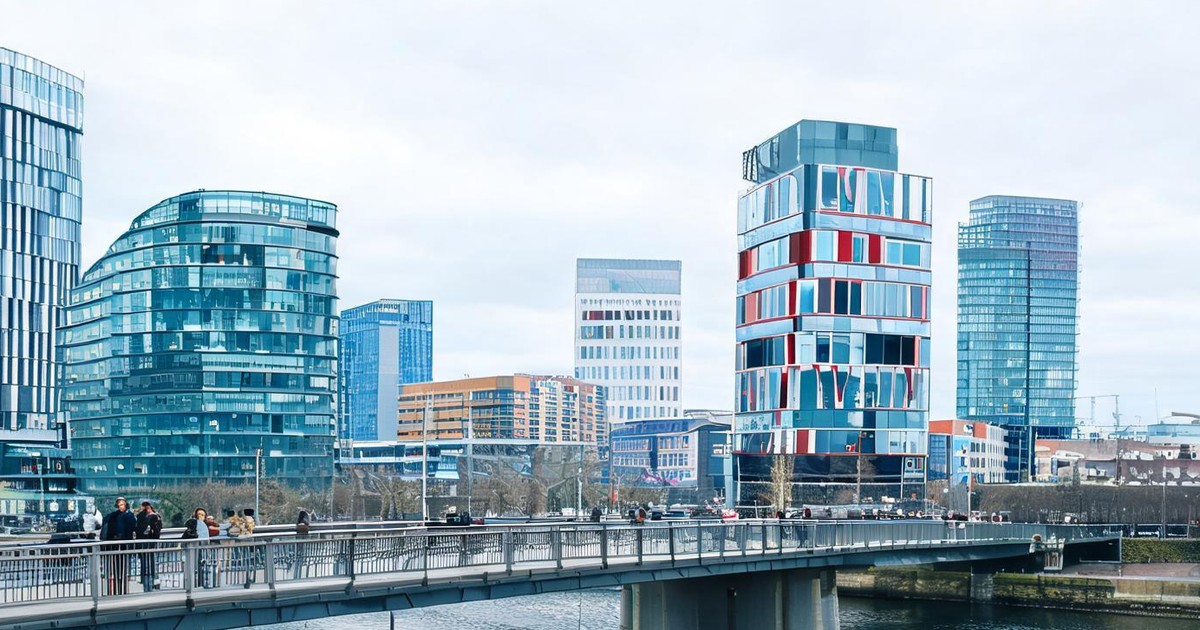
Navigating Life in Austria from Citizenship and Career to Housing and Education
Navigating Life in Austria from Citizenship and Career to Housing and Education A comprehensive guide to living in Austria: from naturalization rules and job market trends in retail and transport to housing challenges in university cities. Topics: News, .
Moving to or living in Austria requires a comprehensive understanding of its legal and social systems. Whether you are aiming for a passport, seeking a stable career, or managing family needs, the landscape presents both strict regulations and new opportunities.
Navigating Life in Austria 2026: From Citizenship and Career to Housing and Education
Moving to or living in Austria requires a comprehensive understanding of its legal and social systems. Whether you are aiming for a passport, seeking a stable career, or managing family needs, the landscape in 2026 presents both strict regulations and new opportunities.
The Path to Austrian Citizenship: Rules and Reality
Obtaining Austrian citizenship is a strictly regulated process governed by the Austrian Citizenship Act of 1985 (Staatsbürgerschaftsgesetz). For most foreigners, the general path to naturalization requires at least 10 years of continuous residence in Austria, although certain exceptions allow for an earlier application.
One of the most critical aspects of this process is the country’s conservative approach to dual nationality. According to Austrian nationality law, the general rule is that applicants must renounce their previous citizenship. While there are exceptions for EU/EEA citizens and humanitarian cases, the process remains rigorous. It is essential to ensure all documentation is provided in the original with certified German translations, as detailed by the official migration guidelines. Recent data shows that while nearly 22,000 foreigners received passports in 2024, the procedure remains long and challenging, as noted in a complete guide for foreigners in 2026.
Career Opportunities and Earnings in 2026
The Austrian labor market continues to expand in key sectors. For those looking for stability, the national railway company ÖBB is a major employer; in 2025, ÖBB planned to hire approximately 2,500 new employees specifically in the eastern regions, including Vienna, Burgenland, and Lower Austria. For those interested in entrepreneurship, the retail sector is also evolving, with Billa expanding its cooperation with self-employed entrepreneurs across Vienna and Upper Austria.
For professionals in education, salaries are transparent and structured. A teacher’s salary in Austria generally ranges between €2,400 and €2,800 gross per month, though specialized AHS teachers may start higher. According to current data, the average annual gross salary is approximately €49,700, with some entry-level positions in Vorarlberg starting at €3,636.40 gross as of July 2026. It is important for employees to be aware of their rights regarding overtime work, where the standard norm is typically 40 hours per week.
Housing and Education: Challenges for Expats
Living in Austria, especially in university cities, can be financially demanding. In Innsbruck, for instance, student housing prices have reached “luxury” levels, with some rooms in the Wilten district costing up to €950 per month. This makes finding affordable shared accommodation (WG) a significant challenge for students and young professionals.
Education is another pillar of integration. While public schools are free and of a high standard, the primary language of instruction is German. This can create initial hurdles for expat children. Recent discussions highlight that foreign parents are calling for more inspiring public schools, suggesting that public institutions should adopt mentoring and parent-to-parent support models similar to private schools.
Legal and Social Updates: Taxes and Healthcare
Austria’s legal environment remains stable but specific. Regarding inheritance, it is crucial to note that inheritance tax was abolished in August 2008. However, the transfer of real estate still triggers the Real Estate Transfer Tax (GrESt), which was significantly adjusted during the 2015/16 tax reforms.
In terms of social welfare, there have been significant strides in healthcare. A notable development is the opening of a specialized clinic for victims of violence at the Kepler University Hospital in Linz in January 2026, a move prompted by public petitions and political action to ensure better protection for victims.
“The balance between maintaining national identity and integrating a global workforce defines Austria’s current evolution. From strict citizenship laws to an expanding job market, the country offers stability for those who navigate the bureaucracy correctly.” — Integration Expert, Vienna
Summary for New Residents
If you are planning your life in Austria, remember that precision is key. From the renunciation of citizenship to the calculation of tax on inherited property, the “Austrian way” is one of rules and documentation. For those entering the workforce, the current trend of expansion in transport and retail offers promising prospects for 2026 and beyond.
Stay Up to Date with the Latest Austrian News
The week's top stories — news, guides, and insights about life in Austria. Every Sunday in your inbox.