[Advertorial] Augarten Vienna Park: Where Movement Connects People Augarten Vienna park — 52 hectares of free movement and community in Leopoldstadt. Your guide to running, yoga, history, family fun and how to get there. Topics: Daily Life, Leisure & Culture.
Disclosure: This article is marked as [Advertorial] / Anzeige — created with the support of a partner to highlight opportunities for movement and community in Augarten park.
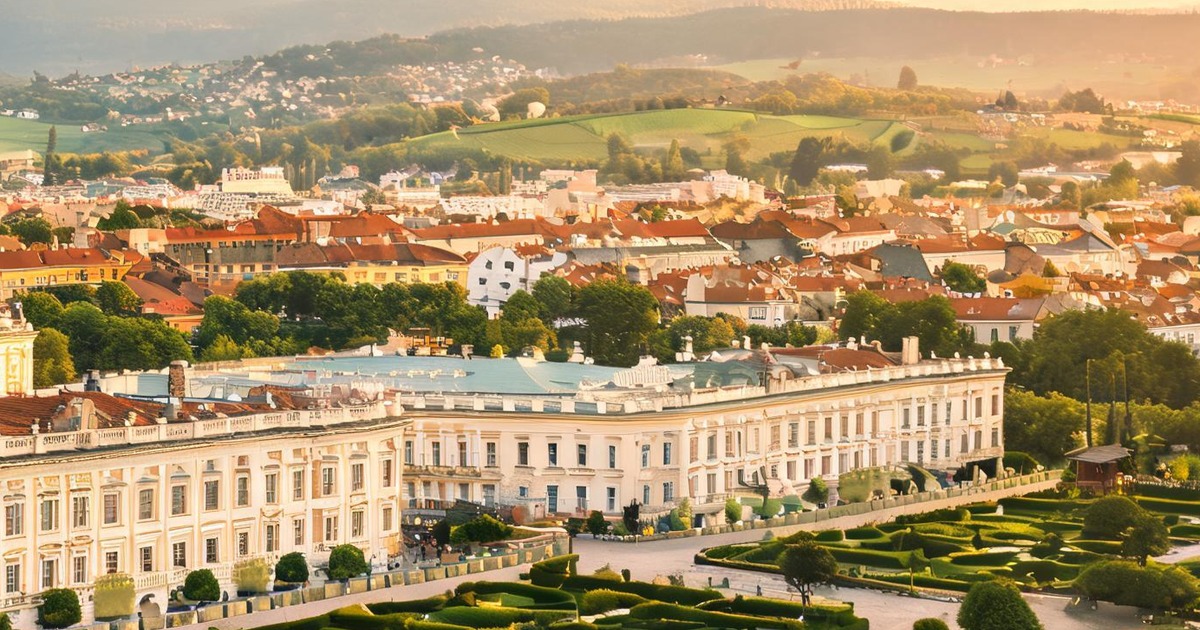
Augarten Vienna park is Vienna’s oldest baroque park, where runners, families, students and seniors meet every day. Across 52.2 hectares between Leopoldstadt and Brigittenau you will find space for sunrise yoga, an after-work run and a weekend picnic. This guide explains how the park works, where to do sport for free, how Augarten differs from Prater and Schönbrunn, and how to spend a whole day without spending much. We collected the map, rules, schedule and local tips — so movement truly connects people in Augarten.
What is Augarten Vienna park and where is it
Augarten Vienna park is a public Volksgarten (people’s park) in the north of Leopoldstadt (2nd district), bordering Brigittenau (20th district). The park is open daily for free, from dawn to dusk, with the main gate on Untere Augartenstraße. The easiest access is tram 31 or metro U2 to Taborstraße, then a 5-minute walk.
According to the Austrian Federal Gardens, Augarten is managed by Österreichische Bundesgärten and ranks among Austria’s most important historic gardens alongside Schönbrunn and Belvedere. The total area is 52.2 hectares, about 70% open lawns and avenues, the rest trees, water and buildings. Unlike the tourist centre, there are almost no crowds — this is a neighbourhood park for daily life.
For newcomers to Vienna the difference matters: Augarten is not a commercial amusement park but a quiet, baroque-planned green space. If you want rides, go to Prater and its attractions, if you want imperial splendour, go to Schönbrunn. Augarten is designed for calm movement and encounters.
History of Augarten: from imperial baroque garden to people’s park
The history of Augarten Vienna park starts in 1614, when Emperor Matthias established hunting grounds on the Danube floodplain. Under Charles VI in the early 18th century, architect Jean Bernard Fischer von Erlach redesigned it in French baroque style — straight avenues, symmetrical bosquets and a central axis towards the palace. According to Vienna City History Wiki, Emperor Joseph II opened the park to the public in 1775, making it Vienna’s first public garden.
In the 19th century Johann Strauss Sr. performed here, and the Schloss Augarten (Augarten Palace) has housed the Vienna Boys’ Choir (Wiener Sängerknaben) and the Augarten Porcelain Manufactory since the 1920s. During World War II two massive Flakturm (anti-aircraft towers) 55 metres high were built — they still dominate the skyline. As ORF Wien reports, the towers remain a focus of debate about memory and urban planning.
Today Augarten blends history and everyday life. You walk the same avenues Mozart strolled 250 years ago, while next to you children play football and students read on the grass. The park is protected as a garden monument, so cycling is limited to marked paths and barbecuing is prohibited.
Why movement in Augarten brings people together
Movement in Augarten Vienna park is not about records but about togetherness. Unlike fitness studios with memberships, there are no barriers: no fee, no registration, no level required. In the morning you see a qigong group at the south entrance, at noon mothers with strollers, in the evening a running club from Leopoldstadt. Everyone shares one space, greets each other and gradually gets to know one another.
Urban research shows low-threshold activities build social ties. As Der Standard reports, regular meet-ups in parks increase the sense of neighbourhood belonging by 23% compared with staying at home. In Augarten the effect is stronger because the park is large enough for privacy yet small enough to meet acquaintances.
This is especially valuable for newcomers. If you are looking for friends in Austria, a joint run or yoga session is the most natural way to meet without language pressure. You do not need perfect German — just show up at the same time and follow the trainer. In multicultural Vienna, movement becomes a common language.
What to do in Augarten Vienna park: sport all year
Augarten Vienna park offers sport for every taste and level — free and without equipment. Just pick a format and time.
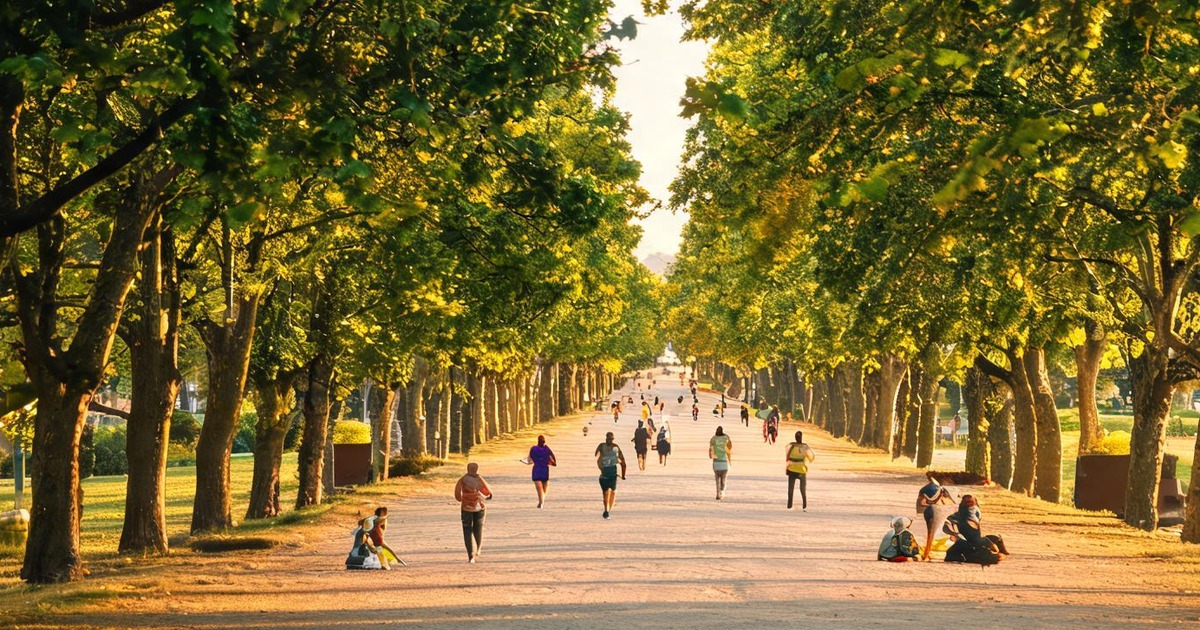
Running and walking. The main avenue is about 1.2 km long, perfect for intervals, and the perimeter is about 3.5 km for a relaxed loop. Surfaces are asphalt and fine gravel, the main paths are lit. In the evening there are more runners here than in Prater because there are no fast cyclists.
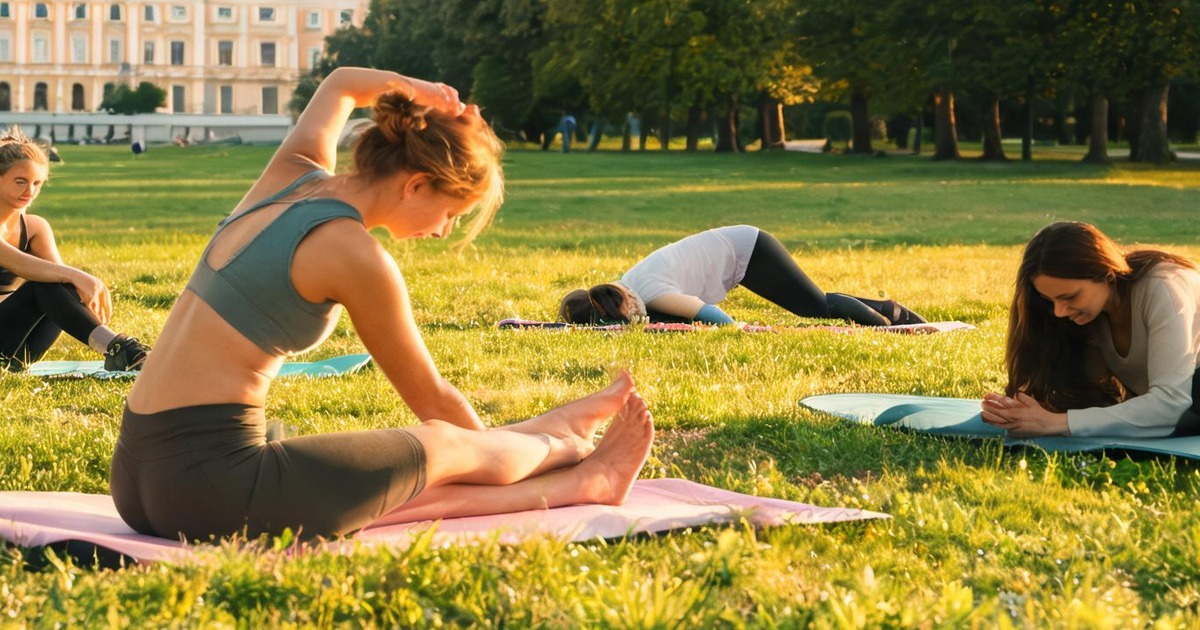
Yoga, qigong and gymnastics. From May to September volunteer groups offer free sessions in the mornings (usually 7:30–8:30) on the lawn by Schloss Augarten. Bring your own mat, no registration needed. According to Bundesgärten — movement programme, more than 4,200 people joined these meetings in the 2025 season.
Playgrounds and workout. In the north there are two playgrounds for ages 2–12 with modern equipment and a separate street-workout zone with pull-up bars and parallel bars. Nearby you will find table-tennis tables and a bocce court. All are available without booking.
In winter the park does not empty: avenues are cleared, and lawns are suitable for walks and light jogging even with snow. Unlike the Vienna Woods, it is not slippery and there are always people around — safer for beginners.
The Augarten community: how movement builds neighbourhood
The Augarten Vienna park community is built not by events but by regularity. The same faces meet at the same time — conversations start. The Augarten Runners, the Mamas in Bewegung group and volunteers from the Nachbarschaftszentrum Leopoldstadt use the park as a shared living room.
Every Saturday at 9:00 an open group meets at the south gate for a joint warm-up — 30 minutes of light exercises, then tea from a thermos. Anyone can join, level does not matter. As wien.gv.at — parks and community notes, such initiatives raise daily visitor numbers by 15–20% in the warm season.
For families this is precious. While children play, parents exchange school and doctor contacts, practise German and discover hidden museums of Vienna nearby. For students it is a chance to find a language tandem without formal courses. For older adults it is a safe place to move with even paths and benches every 100 metres.
Movement in a public park is social infrastructure. When people meet regularly in one place without commercial pressure, trust emerges that a fitness studio can never create.
— Urbanist, Vienna University of Technology
Augarten for families, children and dogs: rules without surprises
Augarten Vienna park is family-friendly but has clear rules. Knowing them saves nerves and fines.
Children. Two large playgrounds in the north and centre are designed for 2–12 years, with soft surfacing and shade. Strollers fit everywhere, there are no changing rooms — bring a mat. On weekends the playgrounds fill by 10:00, arrive earlier for calm. Drinking fountains (Trinkbrunnen) near the playgrounds operate from April to October.
Dogs. A leash is mandatory (Leinenpflicht) across the whole park. There is no separate Hundezone (off-leash area) inside Augarten — the nearest ones are in Prater and on Donauinsel. As the City of Vienna — dog rules reminds, fines for off-leash walking in historic gardens can reach €50. Bring waste bags — bins are at every entrance.
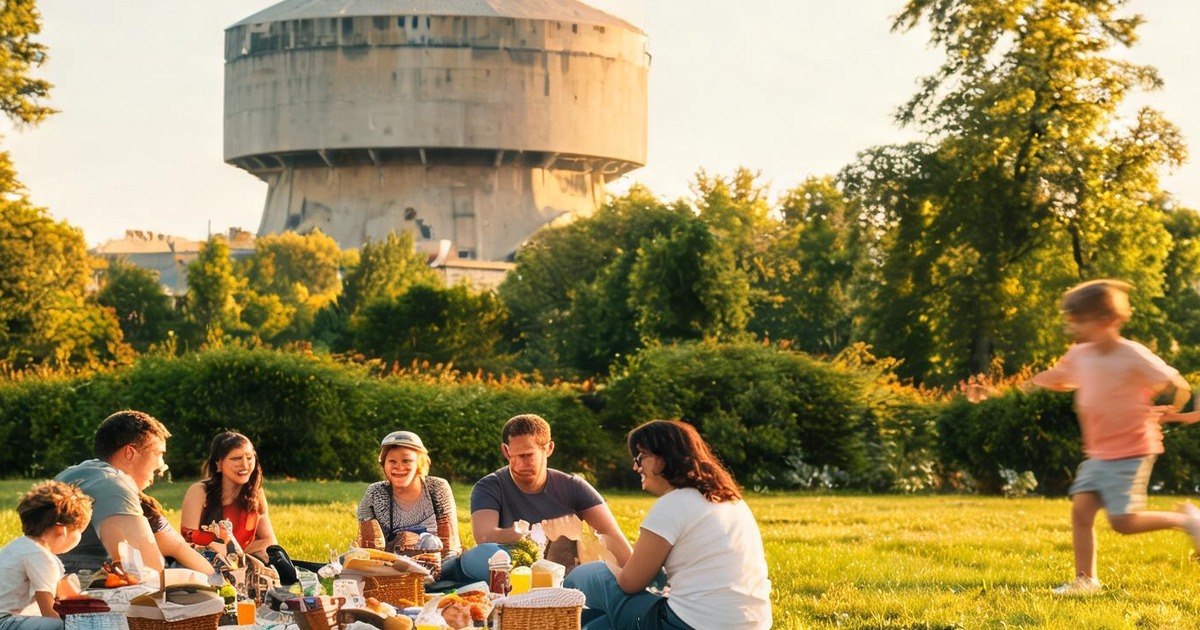
Picnics and barbecues. Picnics on blankets are allowed, barbecues and open fire are prohibited throughout Bundesgärten areas. Alcohol is not forbidden, but loud music and parties after 22:00 may lead to intervention by park security. Leave the lawn clean — it is part of the Miteinander (mutual respect) culture.
If you live with children and look for a district, check our guide on renting in Vienna — Leopoldstadt remains one of the greenest and most affordable for families.
Culture next door: palace, porcelain and the Boys’ Choir
Augarten Vienna park is surrounded by culture you can easily combine with a walk. In the centre stands Schloss Augarten in baroque style — today home to the Porzellanmanufaktur Augarten (since 1718, the second oldest in Europe after Meissen) and its porcelain museum. A guided tour with painting demonstration lasts 50 minutes and costs about €12, closed on Mondays.
The same complex hosts the Vienna Boys’ Choir — concerts in the MuTh (Augarten concert hall) are held regularly, tickets from €15. Even without a ticket you often hear rehearsals through open windows while strolling. This creates a unique atmosphere: sport and high culture in one place.
At the park edge you will find the open-air Augarten cinema in summer and Atelier Augarten — a Belvedere branch for contemporary art. Combine a morning run with an afternoon museum visit — everything within a 10-minute walk. Such routes are loved by those who enjoy hiking between lakes and mountains and want to add urban culture to an active lifestyle.
How to get there, when to come and what it costs
Getting to Augarten Vienna park is easiest by public transport — there is almost no car parking.
Transport. Best options:
- Tram 31 to Obere Augartenstraße (2 minutes to the entrance)
- Metro U2 to Taborstraße + 5-minute walk through Leopoldstadt
- Bus 5A to Untere Augartenstraße
- Bicycle — racks at all entrances, Citybike station at Taborstraße
Timing. The park is open daily from dawn to dusk (gates close at night). In summer roughly 6:00–21:30, in winter 7:00–17:00. Best time for a calm run is 7:00–9:00 and 18:00–20:00, when no children’s groups are around. For picnics choose weekdays before 16:00.
Cost. Entry is free. Only the porcelain museum and MuTh concerts are paid. Toilets are free at the south entrance, the seasonal café Bunkerei by the Flakturm serves coffee from €3.80. If you compare leisure costs, see our article on whether health insurance covers fitness in Austria — the park remains the cheapest alternative.
Accessibility. All main avenues are paved and step-free, suitable for strollers and people with limited mobility. Benches with armrests and shade every 100–150 metres.
Practical tips: safety, etiquette and local hacks
Safety in Augarten Vienna park is high, but there are nuances. The park is patrolled by Bundesgärten security, main avenues are lit and Leopoldstadt is considered calm. After 21:00 lighting is dimmed and gates close — do not plan late workouts inside.
Etiquette for movement:
- Runners give way to pedestrians on narrow avenues, cyclists to everyone (and only on marked paths, speed max 10 km/h)
- Yoga groups use at most a third of the lawn — leave a passage
- Dogs only on a leash, even if “she is friendly”
- Listen to music with headphones — speakers are not welcome in historic gardens
Local hacks:
- Bring a water bottle — drinking fountains run April–October and save money
- The best coffee is at Bunkerei by the tower, but at weekends the queue starts at 11:00 — come earlier or bring a thermos
- For photos, pick the central axis towards the palace at sunset — baroque symmetry is most photogenic
- For quiet, head to the north-east corner behind the large Flakturm — almost empty even on Saturdays
Those planning an active life in Vienna may also find our guide on transport and mobility useful — Augarten is easy to combine tram and walk.
Frequently Asked Questions
Can you do sport for free in Augarten Vienna park?
Yes. Augarten Vienna park is completely free for running, walking, yoga, qigong and street workout. From May to September volunteer groups run free morning sessions with no registration — just bring a mat. Only the porcelain museum and concerts are paid.
Is Augarten Vienna park suitable for children and strollers?
Yes. Two modern playgrounds for 2–12 years, even asphalt avenues without steps and drinking fountains make it stroller-friendly. Arrive before 10:00 at weekends when playgrounds are still quiet, and note that barbecues are prohibited.
Can I bring a dog to Augarten?
Yes, but only on a leash throughout the park. There is no off-leash zone inside. Fines for off-leash walking reach €50. The nearest Hundezone areas are in Prater and on Donauinsel, easily reachable by tram 31.
How is Augarten different from Prater and Schönbrunn?
Augarten is a quiet baroque neighbourhood park for daily movement and meetings, without rides or tourist crowds. Prater is a large amusement park with the Ferris wheel, Schönbrunn is an imperial palace complex. If you need a calm place for regular sport and neighbourly contact, choose Augarten.
Conclusion: your first step in Augarten — movement that connects
Augarten Vienna park is 52.2 hectares of history, movement and neighbourhood in the heart of Leopoldstadt. Baroque avenues from 1775 sit next to 2025 workout bars, and free sunrise yoga gathers more people than many fitness studios. You get a safe place to run, playgrounds for kids, the culture of the palace and the Boys’ Choir — all free and without registration.
Checklist for your first visit:
- Pick a time: 7:30 for yoga or 18:00 for a run on a weekday
- Get there by tram 31 to Obere Augartenstraße or U2 Taborstraße
- Bring water and a mat if you plan a session on the grass
- Follow the rules: leash for dogs, no barbecue, no speakers
- Stay for coffee at Bunkerei and a chat with neighbours — that is how movement becomes connection
Movement in Augarten needs no preparation — just the decision to come. Start with one walk this week and the park will quickly become your daily place of strength.
Enjoyed this Vienna guide? Subscribe to our newsletter — once a week we send tested tips on living, leisure and health in Austria, no spam.
Stay Up to Date with the Latest Austrian News
The week's top stories — news, guides, and insights about life in Austria. Every Sunday in your inbox.