Mountain Rescue in Sölden: Families with Babies Saved from Cliff Terrain
Mountain Rescue in Sölden: Families with Babies Saved from Cliff Terrain Mountain rescue in Sölden: 36 hikers with babies in prams got stuck in cliff terrain near Wildspitzlift. Bergrettung Sölden evacuated everyone without injuries. Topics: News, Leisure & Culture.
On Sunday, 9 August, one of the largest rescue operations of the summer took place in Sölden in the Ötztal valley, Tyrol. Three families with 36 hikers, including two babies in prams, got stuck in Absturzgelände — cliff terrain — at an altitude of around 2,300 metres. The group stretched over 200 vertical metres, and some people ended up half a metre from the abyss. Bergrettung Sölden (the mountain rescue service) and two helicopters evacuated everyone without injuries. Here is how the mountain rescue in Sölden unfolded, why the hikers took an unsuitable trail with prams, and how to avoid a similar situation in the Austrian Alps.
How the rescue operation began
The alarm reached Bergrettung Sölden at 5:15 p.m.. According to the first reports, between 10 and 15 people had got lost near the mountain station of the cable car in the village of Vent. Operation leader Jakob Fiegl spoke to the caller on the phone — everyone was safe but unable to get out on their own.
Minutes later, the Leitstelle Tirol (Tyrol dispatch centre) reported more people in the same area, including one injured person. A Großeinsatz — a large-scale rescue operation — was launched. As krone.at reports, Fiegl immediately called the emergency helicopter Martin 8 and later the police helicopter Libelle Tirol.
Three families with babies in prams
It turned out that three close-knit families were in the mountains: 17 Belgians, 9 Brits, 7 Austrians and 3 US citizens. The group of 36 people was descending from the mountain station of the Wildspitz-Sessellift chairlift (2,325 m) into the valley. According to police, the hikers chose a trail heading northeast that was completely unsuitable for prams.
The most astonishing part: the group included two babies under one year old, carried by their parents in Kinderwägen (baby prams). ORF Tirol reports that the hikers left the marked trail several times and eventually ended up in a steep gully at around 2,300 metres.
Some people were about half a metre above the abyss and could barely hold on. Even a pram ended up in the cliff terrain. This story could have ended very differently — the rescue was on a knife’s edge.
— Jakob Fiegl, Bergrettung Sölden operation leader
How the helicopters rescued the hikers
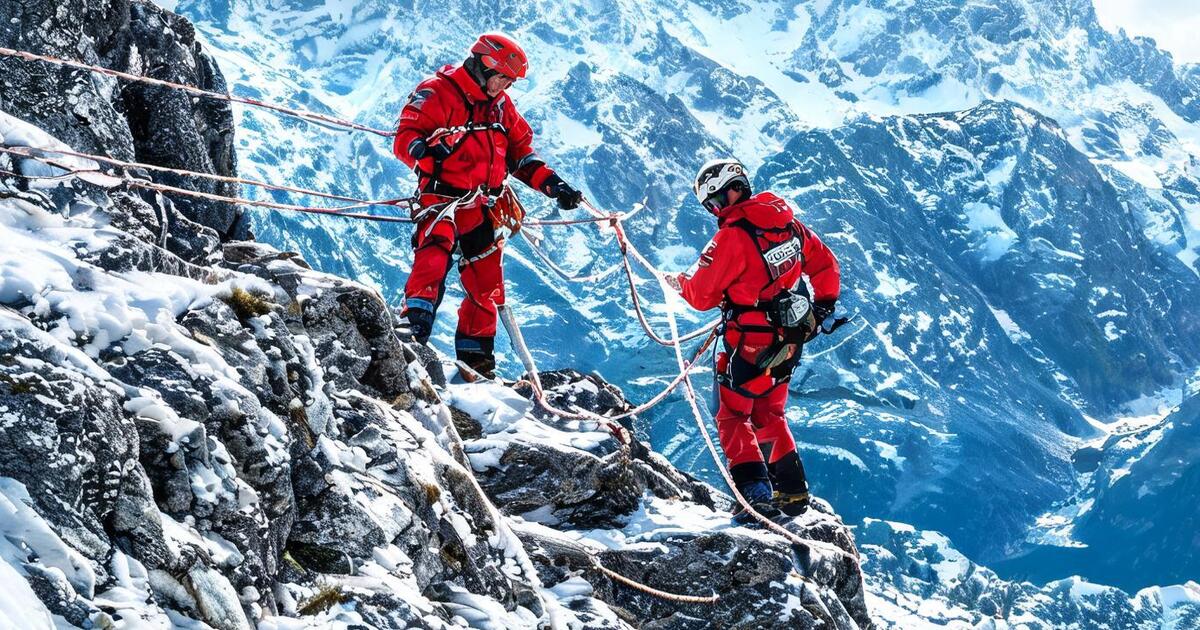
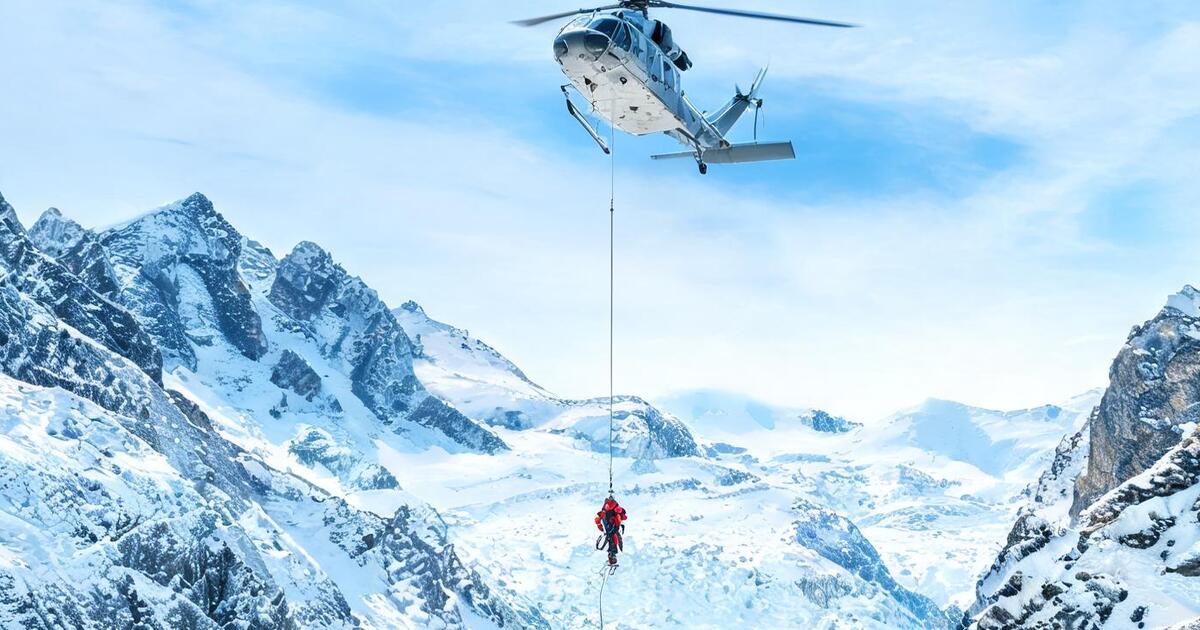
14 people were evacuated by air — most of them with the help of a Tau (rescue cable). The remaining 22 hikers were brought down on foot and with service vehicles by mountain rescuers. The crews worked in extremely difficult conditions: the group was scattered across the slope, with participants up to 200 metres in altitude apart.
The evacuation of two brothers was particularly dramatic. Rescuer Stephan Kuen from the Martin 8 helicopter explains: he secured himself on a rock slab, protected one boy, then rappelled down to his brother, and both were winched aboard. The father watched his sons being rescued from the neighbouring slope, where he stayed with the rest of the family.
Why the situation was critical
At around 2,300 metres in a steep Rinne (gully), the hikers lost the trail. Some stood half a metre from the abyss, barely keeping their footing on the slope. One pram ended up directly in the cliff terrain — rescuers had to retrieve it.
According to the head of the local Bergrettung section, Franz-Josef Fiegl, he cannot recall an operation with such a large group. The number of callouts involving inexperienced hikers is increasing, he noted. The case was also covered by DER SPIEGEL, which described the incident as “families with prams in high alpine terrain”.
All 36 hikers rescued without injuries
By evening, all 36 people had returned to the village of Vent — according to official data, nobody was injured. Just minutes into the operation it became clear that the scale was extraordinary: two helicopters, dozens of mountain rescuers and a patient with injuries required coordination between several services.
For families with children, this case is an important reminder: high-altitude trails in Austria require experience and preparation. Our overview of summer holidays in Austria helps you choose safe routes and regions for trips with children.
How to avoid a similar situation in the mountains
Rescuers recommend that families with small children follow a few simple rules. First, check the route before setting out: is it suitable for prams, is it marked, and what is the elevation gain? Do not pick trails at random: marked paths in Austria are indicated with red-and-white signs, and pram-friendly trails are usually labelled separately.
Always take warm clothing, water and a first-aid kit — the weather in the mountains changes within minutes. It is also vital to save the alpine rescue number: 140 is the single number for Bergrettung, listed on the official website of the Österreichischer Bergrettungsdienst. Call as soon as you realise you cannot continue the route safely — exactly as the hikers in Sölden did.
Frequently Asked Questions
How many people were rescued in Sölden? A total of 36 hikers: 17 Belgians, 9 Brits, 7 Austrians and 3 US citizens. Of these, 14 were evacuated by helicopters and 22 on foot by mountain rescuers.
Why did the hikers take prams into the mountains? The three families were descending from the Wildspitz-Sessellift mountain station and chose a trail heading northeast that was unsuitable for prams. The group left the marked path several times and got stuck in a steep gully.
Which number to call in the mountains of Austria? The alpine rescue number 140 (Bergrettung) and the European emergency number 112. Call immediately whenever you have any doubts about safety.
Is a rescue operation free for tourists? In Austria, mountain rescue operations are mostly free for those rescued, depending on the circumstances. Helicopter costs are in some cases covered by insurance or an Alpenverein membership.
What’s next
The mountain rescue in Sölden ended well, but it showed how quickly a normal family hike turns into a dangerous operation. Plan your routes in advance, choose trails that match your abilities and do not take prams into high alpine terrain. To stay up to date on life and safety in Austria, subscribe to our newsletter. More stories about rescues in the mountains and the work of Bergrettung — in our article about the Puch G and donations for the mountain rescue service.
Stay Up to Date with the Latest Austrian News
The week's top stories — news, guides, and insights about life in Austria. Every Sunday in your inbox.