Bonus Brake for the Railway: Train Delays Will Now Hit Managers' Bonuses
Bonus Brake for the Railway: Train Delays Will Now Hit Managers' Bonuses Germany's transport minister will link Deutsche Bahn manager bonuses to punctuality. How the Bonusbremse works, why train delays matter, and how Austria Topics: News, Transport, Politics.
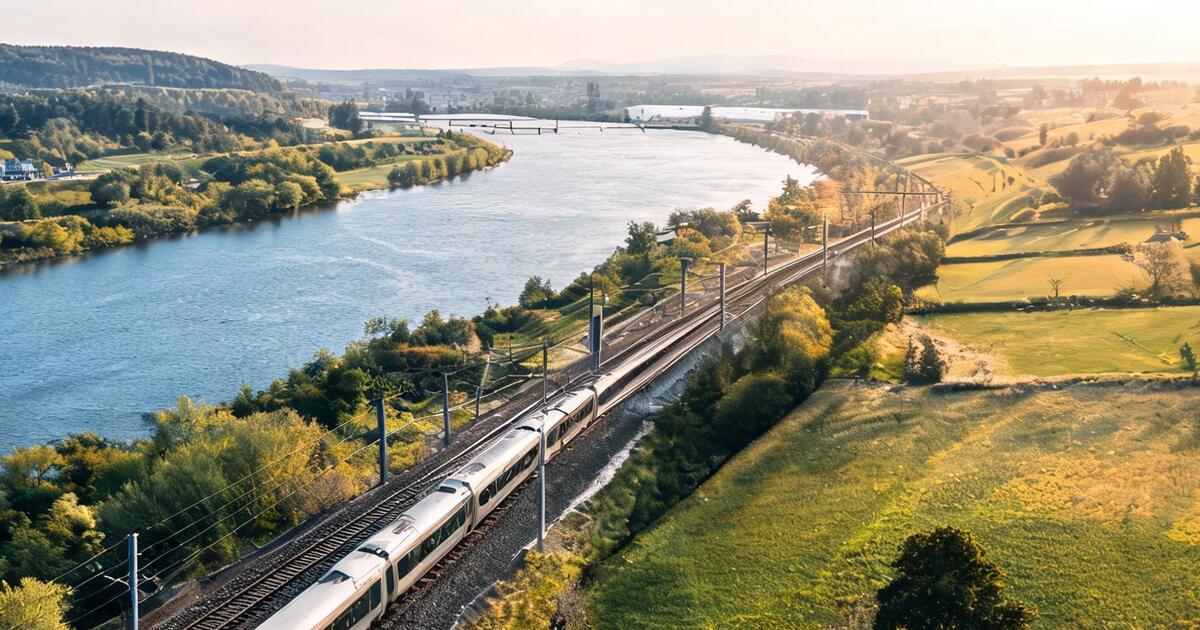
Germany’s new transport minister Steffen Bilger (CDU) has announced that train delays will now directly affect the bonus payments of Deutsche Bahn executives. The mechanism already has a name: Bonusbremse — literally a “brake on bonuses.” By 2029, the federal government expects the railway to reach 70% punctuality in long-distance traffic, while currently only about 60% of trains arrive on time. The news matters for travellers in Austria for two reasons: many take the train to Germany, and the neighbouring country shows how the state can put pressure on a monopoly provider. This article explains how the Bonusbremse works, which targets the minister has set, and why ÖBB remain the benchmark for punctuality.
How the Bonusbremse works and which targets are set
The Bonusbremse is a mechanism that ties part of railway management bonuses to punctuality figures. If trains run late more often than the target allows, bonuses are cut or cancelled altogether. As Die Presse reports, Bilger called the current figures “completely inadequate” and promised a “noticeable improvement.”
The target agreed with Deutsche Bahn’s management is 70% punctual long-distance trains by 2029. Full punctuality, the minister says, is unrealistic: “100 percent will not be achievable in the foreseeable future.” The specific requirements for management will be written into the agreement on federal infrastructure funding.
According to Deutschlandfunk, Bilger took over the post from Patrick Schnieder at the end of July 2026 during a cabinet reshuffle.
How many trains are currently delayed: the statistics
By Deutsche Bahn’s methodology, a train counts as punctual if it arrives with less than six minutes of delay. In July 2026, only 52.6% of long-distance trains met that threshold — according to the company’s official punctuality statistics.
In the first half of 2026, the figure hovered around 60%, dropping further during the hot summer months. The worst result of 2025 was 51.5% in October, as the Statista infographic shows. Regional services run far more reliably, with punctuality above 87%.
Whose bonuses are at stake
The new rule covers around 4,500 executives at Deutsche Bahn — from the board of management down to regional directors. As the Wikipedia article on railway punctuality notes, part of these managers’ bonus payments already depended on punctuality; now the link becomes much stricter.
The core idea is personal accountability. Previously, the cost of delays was borne by the company as a whole, and management bonuses suffered only indirectly. Now, missing the punctuality targets will hit executives directly in their wallets.
Austria in comparison: ÖBB as the benchmark
For comparison: the Austrian Federal Railways ÖBB reached 94.1% punctuality across all passenger services in 2025 — statistics published by the ÖBB Group. Long-distance services scored 81.6%, regional services 94.8%, placing ÖBB among the most punctual railways in Europe.
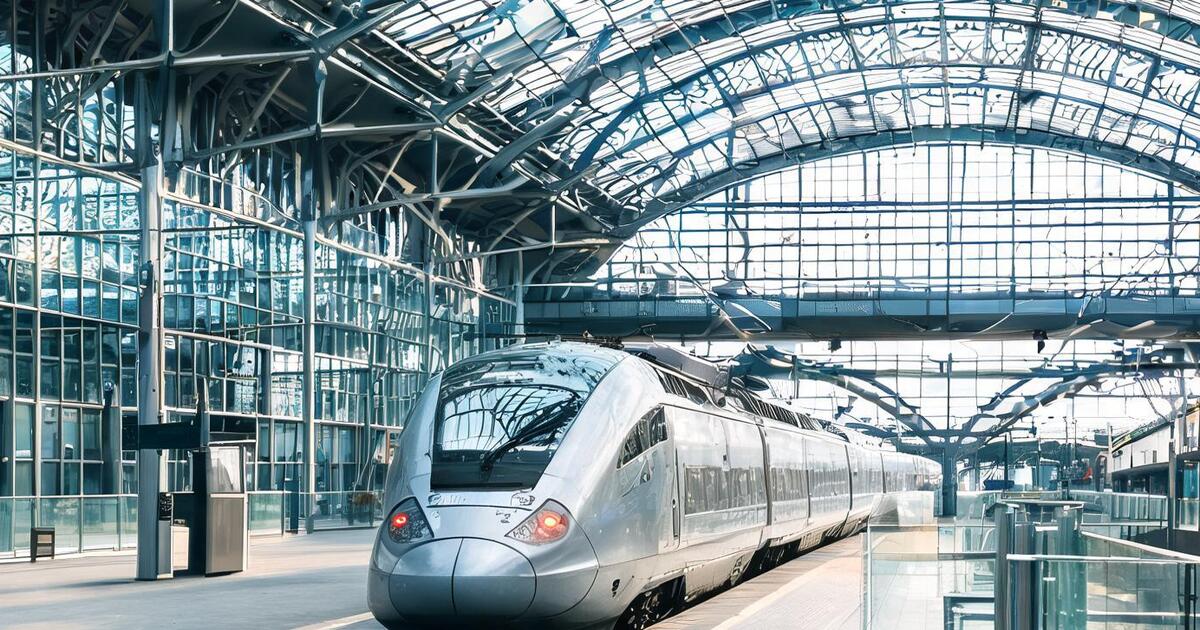
Of course, the comparison is not entirely fair: Austria’s network is smaller, and the load on German infrastructure is many times higher. Still, ÖBB proves that good management and sufficient funding can keep punctuality high for years. You can read more about the Austrian company’s plans in our article on ÖBB’s record of 500 million passengers.
How train delays are compensated in Austria
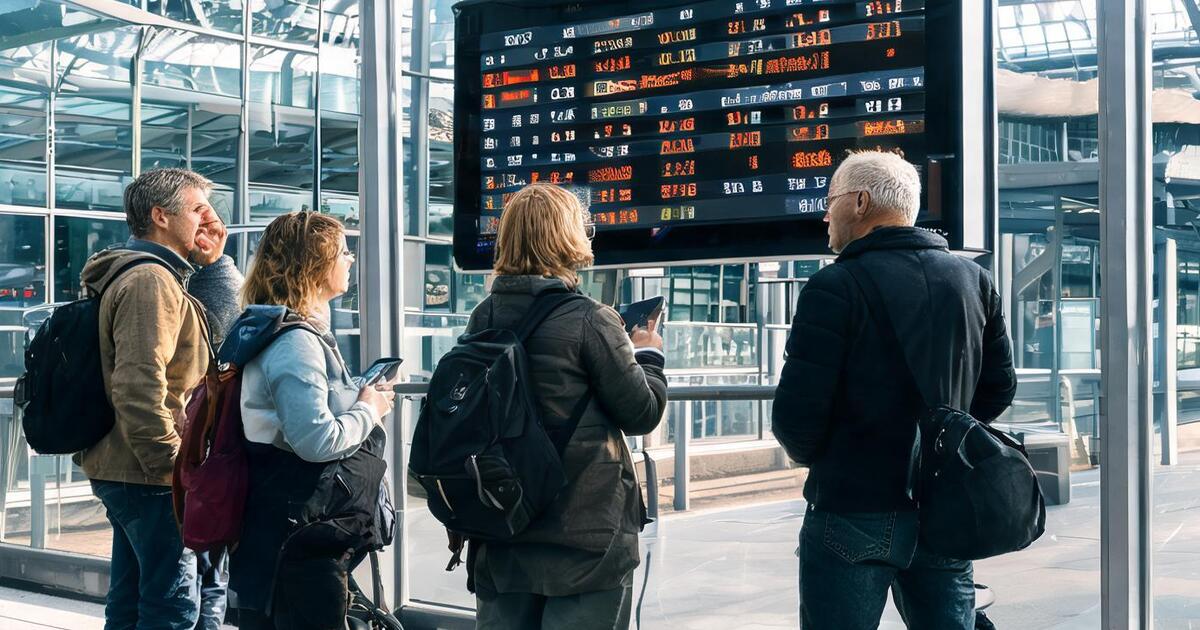
While German managers lose bonuses, passengers in Austria are entitled to compensation from 60 minutes of delay — 25% of the ticket price, and 50% from 120 minutes onwards. The rules apply EU-wide and are documented on the oesterreich.gv.at portal.
ÖBB also run their own scheme for annual pass holders: if punctuality on a route falls below 95%, 10% of the price is refunded. Details are available on the ÖBB page about train delays. In Austria, the company already bears responsibility today: the worse the punctuality, the more the railway pays out of its own pocket.
Why 100% punctuality is unrealistic
Minister Bilger openly admits that perfect punctuality is impossible. The reasons are the aging infrastructure, construction sites, and overloaded hubs where trains have to wait for each other. The federal government is investing around 23 billion euros in modernising the network in 2026 — but the effect builds up only gradually.
Experience shows that even with perfect management, external factors such as weather, disruptions, and sudden speed restrictions remain. That is exactly why the 70% target is considered realistic: it is twice as good as the current figure but does not demand the impossible.
The current figures are completely inadequate. If the targets set by the federal government are not met, this will have a direct impact on the bonus payments of railway managers.
— Steffen Bilger, German Federal Minister of Transport
Frequently Asked Questions
What is the Bonusbremse in the German railway? It is a mechanism that ties Deutsche Bahn managers’ bonuses to punctuality figures. If targets are missed, bonuses are cut.
What level of punctuality does the government demand? By 2029, 70% of long-distance trains should run on time. Currently the figure is around 52–60%.
Are there similar rules for ÖBB? Yes, in a different form: ÖBB refund 25% of the ticket price from 60 minutes of delay and 50% from 120 minutes. Annual pass holders get 10% back if punctuality drops below 95%.
Will this affect trips from Austria to Germany? Indirectly, yes. International Railjet and ICE services are operated jointly, so a more punctual German network would also improve connections at the border.
What Happens Next
The Bonusbremse is part of a broader reform of the German railway, which we covered in our article about Deutsche Bahn’s plans for Austria. For travellers in Austria, one thing matters most: from 60 minutes of delay, you are entitled to compensation — and you should claim it.
Stay up to date with transport news in Austria: subscribe to our newsletter to receive regular analysis for everyone who lives and travels in Austria.
Stay Up to Date with the Latest Austrian News
The week's top stories — news, guides, and insights about life in Austria. Every Sunday in your inbox.