Childcare in Austria: new atlas shows where kindergartens excel and where they fail
Childcare in Austria: new atlas shows where kindergartens excel and where they fail Upper Austria childcare atlas 2026: 14 of 25 municipalities in Wels and Wels-Land earn the top 1A rating, yet nurseries for under-threes and closing days lag. Topics: News, Politics, Career & Education.
The Chamber of Labour of Upper Austria — Arbeiterkammer (the workers’ interest body) — has published the latest Kinderbetreuungsatlas, an annual atlas of childcare infrastructure. For 27 years it has rated nurseries, kindergartens and after-school care in every municipality of the state. This edition puts the Wels and Wels-Land district above the state average, but for the first time in years it lost ground: only 14 of 25 municipalities earned the top rating 1A, down from 17 a year earlier. Below we break down where nursery places are easiest to find, which municipalities failed the closing-days test, and how to use the atlas when choosing where to live.
What the childcare atlas found in Wels and Wels-Land
Data was collected between May and July 2026 together with the Institute for Empirical Social Research IFES. 279 of 438 municipalities in Upper Austria took part, while 159 refused to provide information — 34 more than the previous year. Each municipality was assessed on nine criteria: opening hours, lunch provision, and the length of annual closures across three age groups.
The district result: 14 of 25 municipalities in Wels and Wels-Land reached the highest category 1A. That is 56 percent, well above the roughly 36 percent state average. As MeinBezirk reports, four municipalities lost last year’s top rating because of excessive closing days: Aichkirchen, Bachmanning, Neukirchen bei Lambach and Steinerkirchen an der Traun.
The statewide picture is equally mixed. According to the Chamber of Labour’s press release, 157 participating municipalities achieved the top category, while 18 municipalities across Upper Austria received the lowest grades C or D — places where provision is limited or virtually absent.
Nursery care for under-threes is the district’s weakest point
The most acute problem is Krabbelstube places (nurseries for children under three). Only Buchkirchen, Gunskirchen, Marchtrenk, Sattledt and the city of Wels meet every criterion of the top category. Elsewhere, admission often starts only at 18 months, and in some municipalities not before age two.
For parents this is an economic issue, not just a logistical one. When a nursery place does not materialise in time, the return to work from Karenz (parental leave) slips, and the household loses one salary. According to AK Oberösterreich, statewide only 31 municipalities out of 279 participants satisfy the top-category requirements for the youngest children: 141 are graded A, 75 get B, and 32 end up with C or D.
Especially when parents return to work, it becomes clear how vital a childcare place that fits real needs is. When children are admitted late and opening hours do not match the working day, going back to a career turns into an obstacle. Mothers are hit hardest.
— Andreas Stangl, President of the Chamber of Labour of Upper Austria

Kindergartens for ages three to six score higher, but closing days spoil it
For the three-to-six age group the picture is noticeably healthier. 13 of 25 municipalities in the district reach the top category: alongside those already named, these are Eberstalzell, Edt bei Lambach, Holzhausen, Lambach, Schleißheim, Stadl-Paura, Steinhaus, Thalheim and Weißkirchen an der Traun. In these Kindergarten facilities the schedule genuinely supports a full working day.
The bad news is closure periods. The Upper Austrian childcare law (Oö. Kinderbildungs- und -betreuungsgesetz) mandates at least 47 opening weeks per year. Yet in the district 6 municipalities keep kindergartens closed longer than allowed, and 8 breach the limit for nurseries. Statewide, 80 municipalities close kindergartens for more than the permitted five weeks a year — only the statutory cities of Linz, Steyr and Wels plus most municipalities in the Eferding, Linz-Land and Steyr-Land districts comply.
For Hort (after-school care for primary pupils) the atlas records a similar gap: statewide only 93 municipalities reached the top category, while 186 stopped at B or below. We covered how to plan the school start in advance in our guide to the school year start in Austria.
Wels as the model: what the city offers
The statutory city of Wels once again stands apart. As the city administration notes, in the 2026/27 season it runs 61 kindergarten groups, 12 nursery groups and 20 after-school groups. Around 1,740 children are cared for by 117 teachers, 112 assistants and 40 language-development specialists.
Opening hours cover the full working day: weekdays from 6:30 a.m. to 6 p.m.. During the five-week summer closure, the Robert-Koch-Straße facility takes children from across the city — around 200 children used it in summer 2026. After-school care also runs until 6 p.m. and relocates to primary school VS 5 Mauth during the holidays, serving about 140 pupils. Deputy mayor Klaus Schinninger sees the ratings as confirmation of city policy: development continues under the 2025 master plan.

What the Chamber of Labour demands and what parents should do
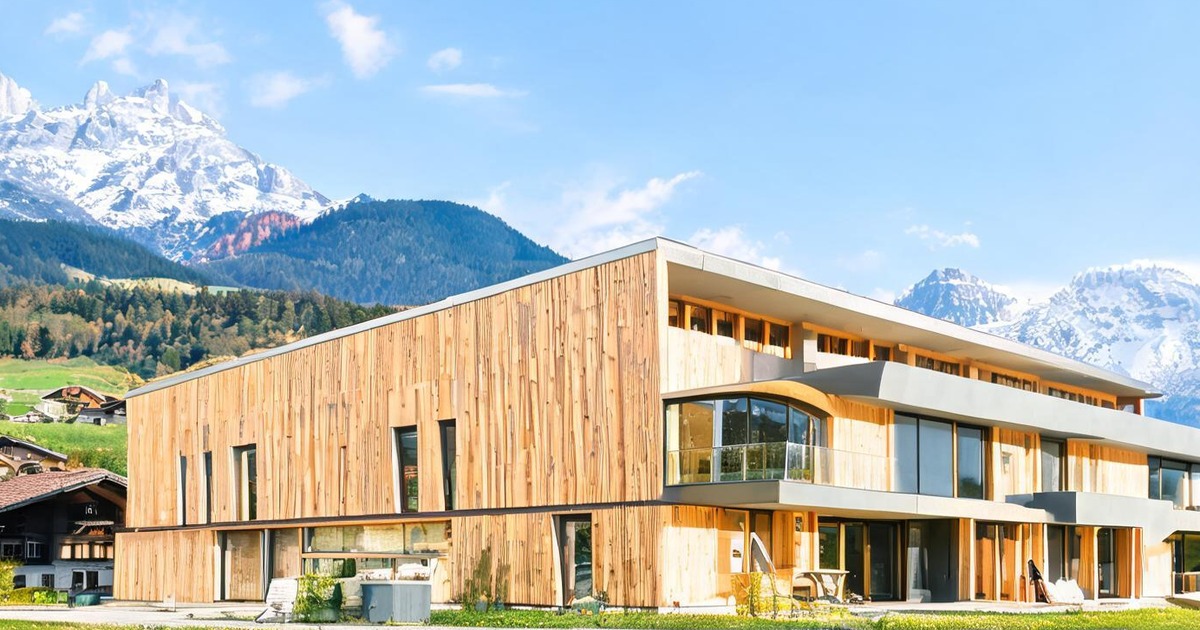
The Chamber of Labour calls for a legal right to a place from age two until the end of primary school, full-day provision everywhere, mandatory needs assessments, and state funding for expansion plus staff training. The atlas is powerless where municipalities stay silent: 159 municipalities refused to release data, so their real provision cannot be verified. Tyrol shows where this can lead — the new kindergarten in Landeck illustrates a target model with a guaranteed place from age two.
A practical checklist for parents: 1) find your municipality in the digital atlas and check its rating; 2) ask the municipality about the exact nursery admission age and closing days; 3) match opening hours against your schedule before returning from parental leave in Austria; 4) budget for Kindergeld child benefit and Familienbeihilfe — they offset part of the childcare costs.
Frequently Asked Questions
What is the childcare atlas and who compiles it? It is the Kinderbetreuungsatlas of the Chamber of Labour of Upper Austria, published for 27 years. Data for May–July 2026 was collected with the institute IFES; 279 of 438 municipalities participated.
What does the 1A rating mean? The municipality met 8–9 of nine criteria: opening hours, lunch provision and closures for the under-threes, three-to-six age group and schoolchildren. It is the best of four grades, from 1A to D.
Why is it so hard to find a nursery place? Provision for children under three lags far behind demand: only 31 municipalities statewide meet the top category. In some municipalities admission starts at 18 months or age two.
Where can I check my municipality’s rating? The full map is available free of charge in the digital Kinderbetreuungsatlas and in the Chamber of Labour OÖ section.
Conclusion — what to do today
The 2026 edition of the childcare atlas for Austria delivers something rare: a transparent map of where a family with children gets reliable service and where it has to compromise. The Wels and Wels-Land district remains in the state’s top tier, but its cushion is thinning: three municipalities lost the top rating in a year, and nursery places for under-threes stay scarce. Your checklist: open the atlas, find your municipality, check the admission age and closing days, align them with your return to work after parental leave, and subscribe to our newsletter so you don’t miss the next rating update.
Stay Up to Date with the Latest Austrian News
The week's top stories — news, guides, and insights about life in Austria. Every Sunday in your inbox.