40 Viewings of Someone Else's Flat: How Rental Scams Work in Austria
40 Viewings of Someone Else's Flat: How Rental Scams Work in Austria Rental scams in Austria: how fraudsters in Vienna showed a couple's Airbnb flat to 40 would-be tenants, which Kaution tricks to avoid and keep your money. Topics: News, Housing, Economy.
In Vienna, fraudsters listed a flat that belongs to a married couple and is rented out via Airbnb as a long-term rental. Dozens of applicants showed up: according to Krone, there were around 40 Besichtigungen (viewings) of a flat that was never theirs to rent. The owners had no idea their home was being “let out” until strangers with suitcases began appearing at the door. This is not a freak incident but a standard playbook of rental scams in Austria: photos of a real property get copied into a fake listing, the price is undercut, and the Kaution (deposit) is collected in cash before any contract exists. We explain how the Vienna gang operated, which red flags give a fake listing away, and what to do if you have already paid. The focus is on the Kaution, the contract and the Meldezettel (registration of residence): the three points where nearly all victims lose money.
The Vienna case: forty viewings of a flat the owners knew nothing about
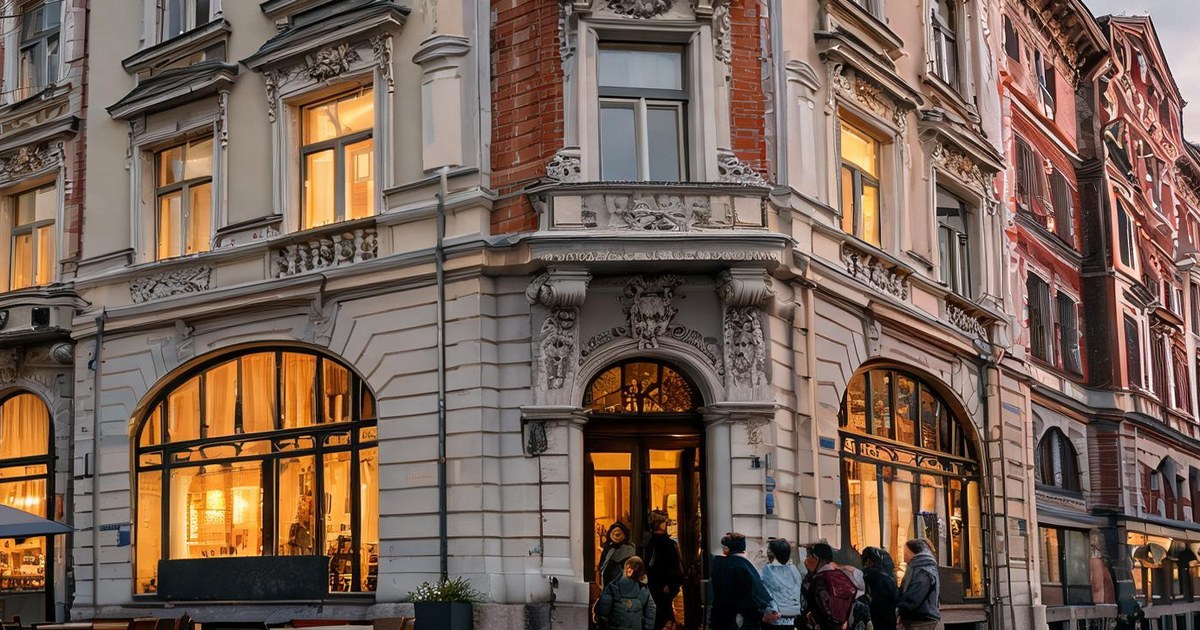
A married couple in Vienna lets their flat out short-term via Airbnb while living elsewhere. A criminal group posted an online advert offering the same flat for long-term rent — without the owners’ knowledge. Viewings were scheduled, and dozens of genuinely interested candidates arrived with documents in hand.
As Krone reports, around 40 viewings took place: the scammers led groups of people through someone else’s home and acted like the real owners. The couple noticed the activity, studied the listings and decided to expose the fraudsters themselves — they gathered evidence and handed it to the police.
We are dealing with an organised criminal gang, and we have three small children — that is why we are not using our real names.
— Dorothea N. (name changed), the flat’s owner, in an interview with Krone
The case is instructive twice over. First, it exposes how vulnerable Airbnb flats are: they sit empty, look “alive” in photos and are perfect for listing theft. Second, it shows that scammers victimise not only tenants but the property owners themselves.
How the rent-someone-else’s-flat scheme actually works
The scheme rests on three steps: stealing a genuine listing, staging “viewings” to build trust, and collecting money before any contract is signed. Every step is well rehearsed, so it can play out within days.
First, the fraudsters copy the photos and description of a real flat — from Airbnb, classified platforms or social media. The ad goes up in the name of the “owner”, with the price set 10–20% below market: in a city with Vienna’s demand, that alone draws dozens of replies. Then comes the Besichtigung (viewing): the imposters open the door with their own or a copied key and show the flat “as owners”. A queue of applicants creates auction pressure and pushes people toward a quick prepayment.
The finale is always the same: they ask for the Kaution (deposit) and the first month’s rent in cash or by transfer — “before someone else outbids you”. The contract, they say, can be signed “later, after we check your documents”. Once the money arrives, the “owner” vanishes and the phone goes silent. The fakes surface most often on willhaben, Immobilienscout24, Facebook groups and shared-flat platforms.

Red flags: how to spot a fake rental listing
The surest sign of a scam is money being asked for before you see a signed contract and the keys. Check any listing against this list before the viewing.
- A price 20–30% below market in a good location with a renovated flat — the classic bait.
- The owner is “abroad” and cannot show documents in person; all contact runs through a messenger.
- No proof of ownership at the viewing: a genuine owner calmly shows the Hauptmietvertrag (main tenancy agreement) or a utility bill in their name.
- A Kaution “to reserve” the flat in cash or by transfer before any contract exists — exactly how money was collected in the Vienna case.
- Manufactured urgency: “ten people are already interested, decide today”.
- Refusal to let you register: an “owner” who objects to your Meldezettel is waving a giant red flag.
Shared flats deserve special caution: demand is high, documents are rarely checked, and fake “owner-tenants” cluster exactly there. We cover this separately in our guide to shared-flat rooms in Austria.
Kaution, contract and Meldezettel: how to protect your money
The rule is simple: no payments before a signed contract and the keys in your hand. Everything below helps you hold that line.
Deposit rules are codified: as the Mietervereinigung Österreich explains, the Kaution is normally capped at three months’ rent and must sit in a separate interest-bearing account — never handed over in cash. The contract must be written, stating rent, term and running costs. Pay by bank transfer with a proper payment reference: cash and transfers to strangers’ cards leave no trail.
Registration is your second line of defence. Under the rules on oesterreich.gv.at, you must file your Meldezettel (registration of residence) within three working days of moving in. A real owner wants this done; a fake one stalls, because registration exposes that he is not the owner. Scammers target people searching in a panic — including those looking for renting while unemployed, where “flexible” terms need to be checked twice as hard.

What to do if you have already paid
The first hours matter most: freeze the payment and file a police report the same day. Even when the odds look poor, evidence must be secured immediately.
Step 1 — call your bank at once and request a payment recall: sometimes the transfer has not yet reached the recipient. Step 2 — file an Anzeige (police report), online or at any station, attaching the chat history, screenshots of the listing and the recipient’s IBAN. Step 3 — alert the platform where the ad was posted so the fake is removed and others stay safe.
The legal frame is clear: Betrug (fraud) under § 146 StGB carries up to six months’ imprisonment or a fine, and running it as a business — gewerbsmäßiger Betrug — is punished far more severely, as set out in § 146 StGB on RIS. The scale is large: according to the Interior Ministry’s 2025 crime statistics, more than 38,000 fraud cases were registered in Austria in a single year. We break down the offences and penalties in detail in our article on fraud under Austrian criminal law.
Frequently Asked Questions
How can I check that the person letting the flat is the real owner?
Ask to see the Hauptmietvertrag, the latest utility bill or a Wohnungsbestätigung — the name must match the “owner”. Ownership can be verified in the Grundbuch (land register), which a notary or agent can do for a small fee. A genuine owner takes such requests in stride.
Can I pay the Kaution before the contract is signed?
No. The deposit is handed over together with the signed Mietvertrag and the keys — into a separate interest-bearing account, or at least by transfer with a payment reference. Any cash “reservation” before a contract is near-guaranteed fraud.
What should I do if I have already transferred money?
Call your bank immediately to recall the transfer, then file an Anzeige with the police and preserve every piece of evidence: chats, the listing, the payment details. The odds of recovery are slim — and they drop with every hour of delay.
Is the Meldezettel mandatory when renting in Austria?
Yes. You must register your residence within three working days of moving in. If the “owner” refuses to let you register, the tenancy is either a scam or illegal.
Conclusion: verify the owner before the money leaves your account
The Vienna case with 40 viewings shows that rental scams in Austria have become a factory operation — with stolen listings, staged viewings and an assembly line of prepayments. Your defence is three checks that take less than an hour:
- Compare the price with the local market: too cheap means bait.
- Contract before cash: the Kaution is capped at three months’ rent and goes to an account, never into a pocket.
- Register immediately: the Meldezettel is due within three working days; refusal is a stop signal.
- If you were hit — bank and Anzeige the same day, with every screenshot attached.
If you are just starting your search, begin with our complete guide to renting in Austria — prices, platforms and documents step by step. For a long-term option without the risk, read how to get subsidised municipal housing in Vienna: there the landlord is the city, not an anonymous messenger contact. And subscribe to our newsletter — we break down new schemes as soon as they surface.
Flats in Austria are not “reserved” with cash on the doorstep — anyone telling you otherwise is not an owner in a hurry, but a fraudster waiting for you.
Stay Up to Date with the Latest Austrian News
The week's top stories — news, guides, and insights about life in Austria. Every Sunday in your inbox.