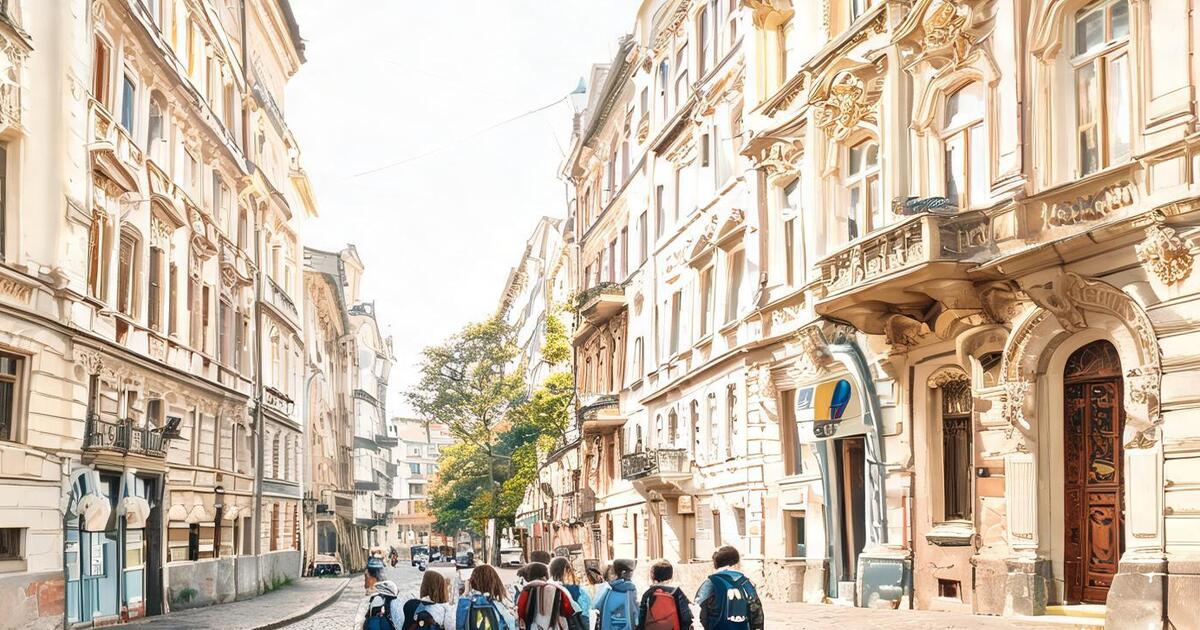
Work at 14 in Austria: What Is Allowed and Which Jobs You Can Do
Work at 14 in Austria: What Is Allowed and Which Jobs You Can Do Work at 14 in Austria is only allowed for light jobs. Learn KJBG rules, hour limits, permitted jobs, pay in 2026 and tips for parents and teens. Topics: Work, Labor Market, Career & Education.
Work at 14 in Austria sounds like the first step to your own pocket money — but the law draws tight lines. Many teens imagine a regular part-time job, yet the Kinder- und Jugendlichen-Beschäftigungsgesetz (KJBG) — the Child and Youth Employment Act — bans child labour in principle and only allows light work. The key distinction is between Kinder (children, up to age 15 or until the end of the 9-year Schulpflicht — compulsory schooling) and Jugendliche (young people, from 15).
In this guide you will learn: what work at 14 in Austria really allows, which light jobs are available, how many hours you may work, how much you earn in 2026, whether you need parental consent and where to find serious offers. With a checklist, a comparison to Germany and the most common mistakes — based on official sources and up to date for 2026. For the broader context of contracts, registration and obligations on the Austrian labour market, see our guide to working in Austria.
What the law says: can you work at 14?
Work at 14 in Austria is generally prohibited, but the KJBG provides narrow exceptions for light, safe tasks. As oesterreich.gv.at explains, Kinder may only do light work outside school hours that does not harm health or school performance.
In practice: at 14 you cannot sign a regular Arbeitsvertrag (employment contract) with fixed shifts. Only single light tasks for 1–2 hours a day are allowed. Every activity needs the consent of the legal guardian and must respect time limits. Employers who breach the rules face fines up to €2 180, according to the Labour Inspectorate (Arbeitsinspektion).
This means: babysitting, newspaper delivery or tutoring is possible, but an apprenticeship (Lehre) or full-time holiday internship (Ferialpraktikum) is only allowed from 15. Ignoring this boundary risks an invalid contract and no insurance cover.
Which jobs are allowed at 14 — list of light work
Work at 14 in Austria is only permitted as light work — no heavy lifting, dangerous tools or chemicals. The Austrian Economic Chamber WKO lists typical examples such as newspaper delivery, helping in the parents’ business, tutoring or babysitting.
The most common is Zeitungszustellung (newspaper delivery) early in the morning or after school. It counts as light work as long as the route and bag weight stay moderate. Second is Babysitting for neighbours or relatives — 2–3 hours in the evening, usually €8–12 per hour in Vienna in 2026. Third is Nachhilfe (tutoring) in maths or languages for younger pupils, typically as private help without an employment contract.
Also allowed: helping on the parents’ farm, shovelling snow or mowing the lawn for neighbours, dog walking, small tasks in the family business. Clearly forbidden: construction sites, restaurant kitchens with hot stoves, handling chemicals, cashier responsibility and any night work. For the overall labour market context see our analysis of the Austrian labour market with rising unemployment and staff shortages.
How many hours and how much pay at 14?
Work at 14 in Austria is strictly limited in time so school comes first. According to RIS — KJBG §5, light work is only outside school hours — on school days max 2 hours per day, in holidays up to 6 hours per day if rest is guaranteed. Night work from 20:00 to 06:00 is prohibited.
There is no uniform tariff: 14-year-olds usually receive pocket money by agreement, not a salary under the Kollektivvertrag (collective agreement). According to Statista, the median for light tasks in 2025 was €7–11 per hour. In Vienna newspaper carriers get €5–7 plus tips, tutors €12–15, babysitters €9–11. Up to the marginal employment threshold of €12 816 per year in 2026 it remains tax-free.
Keep a simple record of hours and payments — it builds financial literacy and avoids disputes. For comparison with adult salaries see our piece on the average salary in Austria.

Parental consent and documents — you cannot work without them
Work at 14 in Austria requires the written consent of parents or legal guardians. Even if you found the job yourself, the client must obtain a signature. In a family business verbal consent may suffice, but written is safer.
There is usually no classic Arbeitsvertrag at 14 — it is a freie Dienstleistung (free service) or private help. For regular jobs (e.g. weekly newspaper round) the Chamber of Labour Arbeiterkammer recommends a simple written agreement stating tasks, hours and pay. You only need your Meldezettel (registration of residence) if the client is a company.
From 15 everything changes: a Ferialjob (holiday job) with contract, insurance and up to 40 hours per week becomes possible. Until then you stay insured via your parents at the ÖGK (Austrian Health Insurance Fund) — no separate social insurance contribution arises for light work. If you are curious about later career paths, read our guide on studying law in Austria — age thresholds matter there too.
Where to find jobs at 14 — 5 serious channels
Work at 14 in Austria is rarely found on job portals — personal contacts are normal. Channel 1: family and neighbourhood — offer dog walking, shopping for elderly neighbours, lawn mowing. Channel 2: school notice board and parent chats where babysitters and tutors are sought.
Channel 3: WKO apprenticeship exchange and local Jugendzentren (youth centres) that keep lists of light jobs for young people from 13 — mostly help at events without heavy work. Channel 4: newspaper publishers like Kronen Zeitung and Kurier that recruit carriers from 14 with parental consent all year. Channel 5: tutoring platforms such as Nachhilfe.at where you can register from 14 with parental confirmation.
Avoid dubious social-media ads promising €20 per hour with no experience — often hidden advertising or a pyramid scheme. Check if the client has a Gewerbeberechtigung (trade licence) and is willing to sign a simple agreement. How to spot a reliable employer is also covered in our article on AMS consultant salary.
Internship and Schnupperlehre — not a job
Work at 14 in Austria is often confused with Schnupperlehre (taster apprenticeship) and Pflichtpraktikum (compulsory school internship), but legally they are different. Schnupperlehre is 1–5 days of observing a profession without pay and without a contract, allowed from 13 with school and parental consent. You do not perform productive tasks — you only watch.
The Pflichtpraktikum required by the curriculum of the Polytechnische Schule or secondary school is also not considered work under KJBG and is allowed from 14, max 8 hours per day under supervision. As oesterreich.gv.at — Schnupperlehre stresses, it needs no permit from the Labour Inspectorate, but the school must inform parents in writing.
A real side job differs because you independently complete a task and get paid. If a so-called “internship” asks you to carry heavy boxes for 6 hours, that is disguised work and illegal. Choose an honest format with transparent pay, even if the rate is lower.
Pay, taxes and insurance — what happens to the money
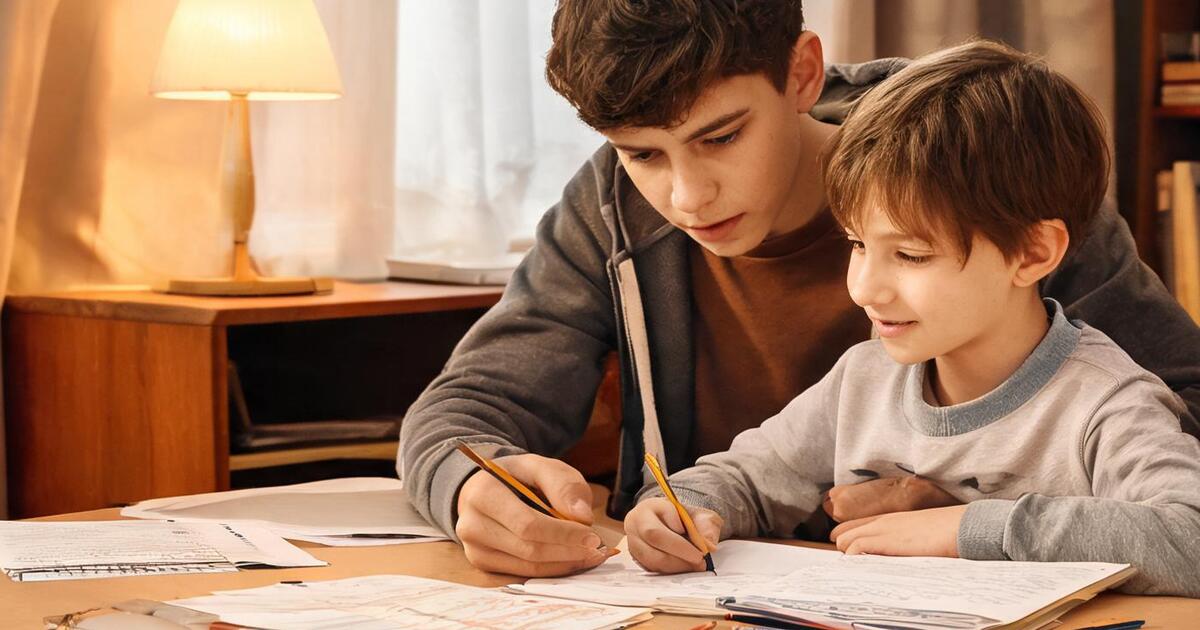
Work at 14 in Austria remains tax- and insurance-free up to a threshold, which makes starting easier. Income up to €12 816 per year (marginal threshold 2026) is income-tax free and does not need to be declared at the Finanzamt. This is confirmed by the Federal Ministry of Finance BMF — marginal employment. Most 14-year-olds earn €200–400 per month and stay well below the limit.
Insurance also does not arise: you stay insured via your parents at the ÖGK. The employer pays no social insurance for minor light work. Exception: regular work for a company with more than €500 per month — then the company must register you as marginally employed (geringfügig Beschäftigter) with about €30 monthly contribution.
Have the money transferred to your own Jugendkonto (youth account) — Erste, Raiffeisen and Bank Austria open it from 14 with a parent and run it free until 18. You learn to handle IBAN and statements. For comparison with adult tax rates see doctor salary in Austria as an example of progressive taxation.
Common mistakes and how not to break the KJBG
Work at 14 in Austria is often done wrong out of ignorance — the penalty hits not you but the client. Mistake 1: heavy physical work — carrying beverage crates, cleaning construction sites, using a petrol lawnmower. This is dangerous work under KJBG §4 and is penalised.
Mistake 2: night or overtime. Even if you want to help at an evening event until 22:00, it is illegal. Mistake 3: Missing parental consent — a verbal deal without a signature is formally invalid and if you are injured the insurance may refuse cover. Mistake 4: Expanding light work into a part-time job with 15 hours a week — that volume is only allowed from 15.
According to ORF, in 2024 about 12 % of companies checked by the Labour Inspectorate violated youth employment rules, most often in gastronomy and retail. Parents should check conditions personally and ask employers if they know the KJBG. Safety matters more than an extra €50 a month.
Work at 14 should above all be safe and compatible with school — light tasks a few hours a week build responsibility but must not replace study or rest.
— Chamber of Labour (Arbeiterkammer), Vienna
Austria vs Germany — where is the start easier
Work at 14 in Austria and Germany is regulated similarly, but with nuances. Both ban child labour until 15 and allow light work from 13–14 under the Jugendarbeitsschutzgesetz (Germany) and KJBG (Austria). Germany allows from 13 up to 2 hours a day with parental consent (newspapers, neighbour help), Austria broadly opens paid light work from 14.
| Criterion | Austria (KJBG) | Germany (JArbSchG) |
|---|---|---|
| Minimum age for light work | 14 years (restricted) | 13 years (2 hrs/day) |
| Maximum on school days | 2 hours outside school | 2 hours outside school |
| Night work | Prohibited 20:00–06:00 | Prohibited 20:00–06:00 |
| Parental consent | Written required | Written required |
| Typical pay at 14 | €7–11 per hour | €7–12 per hour |
As Der Standard reports, Austrian teens start on average a year later than German peers, more often via family networks. For families moving between countries this is important for planning. For adult salaries in comparison see teacher salary in Austria.
Checklist for parents and teens — the first step to a side job
Work at 14 in Austria does not start with job hunting but with a family talk about goals, time and safety. Ask yourself: What do you need money for — hobbies, gifts, saving? This helps choose the format — a regular newspaper round builds discipline, occasional babysitting gives flexibility.
Step plan: 1) Check Schulpflicht — school must be going well, otherwise light work is not allowed. 2) Get written consent from one parent (better both). 3) Choose 1–2 light tasks from the list and write a simple agreement: what, when, how much. 4) Open a Jugendkonto and agree on an allocation — e.g. 50 % wishes, 30 % saving, 20 % gifts. 5) Discuss safety: no chemicals, no heavy lifting, no night work and a break every 2 hours.
According to WKO Youth and Work 2025, teens who start light work at 14 are 23 % more likely to find a Ferialjob at 15 and an apprenticeship (Lehrstelle) at 16 — early experience counts with employers. The amount is not the point, but responsibility and first references.

Frequently Asked Questions
Can you work at McDonald’s or Spar at 14 in Austria?
No, you cannot work at the till or kitchen at McDonald’s, Spar or Billa at 14 as an employee. These chains hire only from 15 for Ferialjobs with a contract and HACCP training. At 14 only light tasks outside such chains are possible — newspapers, babysitting, tutoring.
How much can you earn per month at 14?
Realistically €150–400 per month with 2–4 hours per week. Rate €7–11 per hour: newspapers lower, tutoring higher. Up to €12 816 per year it stays tax-free, so the full amount stays with you.
Do you need school permission?
For normal light work no — parental consent is enough. For Schnupperlehre or Pflichtpraktikum the school must be informed or give consent because it is part of the curriculum.
What happens if you work without parental consent?
The agreement is invalid and if you are injured the insurance may refuse cover. The employer faces up to €2 180 fine from the Labour Inspectorate, and you lose KJBG protection.
When can you switch to a real Ferialjob?
From 15 and after completing 9 school years (Schulpflicht) a real Ferialjob is possible — up to 40 hours per week in holidays, with contract, insurance and pay under Kollektivvertrag (from €1 200 monthly in retail in 2026).
What to do next — plan for the family
Work at 14 in Austria is not about big money but about first independence within safe limits. The KJBG is clear: light tasks a few hours outside school — yes, a full shift at the till — no. If you respect limits, written parental consent and the ban on night and hazardous work, you can earn your first €200–300 without risking school or health.
Final checklist:
- Check that the task is truly light work without heavy lifting or chemicals
- Get written parental consent and coordinate the schedule with school
- Limit volume: max 2 hours on school days, max 6 hours in holidays, never 20:00–06:00
- Choose one of 5 channels — neighbours, school, youth centre, publishers, tutoring platforms
- Open a Jugendkonto and keep a simple income record
If light tasks go well, next steps are Schnupperlehre from 14.5 and the first Ferialjob from 15. Start small: offer help to neighbours or sign up for a newspaper round. Subscribe to our newsletter to get fresh guides on life, work and daily life in Austria without bureaucratic stress.
Stay Up to Date with the Latest Austrian News
The week's top stories — news, guides, and insights about life in Austria. Every Sunday in your inbox.