
Raiffeisen Lagerhaus job cuts: more than 100 jobs are disappearing in Lower Austria
Raiffeisen Lagerhaus job cuts: more than 100 jobs are disappearing in Lower Austria Raiffeisen Lagerhaus is cutting more than 100 jobs in Lower Austria. Which warehouses are affected, what the union demands and what employees can do now. Topics: News, Economy, Labor Market.
Raiffeisen’s cooperative warehouses in Lower Austria are preparing for a major staff reduction. The company Raiffeisen Lagerhaus has notified employees that more than 100 people will lose their jobs. The first to go are “unprofitable” sites in the industrial region of Industrieviertel. The GPA union calls this a heavy blow and demands a Sozialplan — a company-level agreement on compensation and retraining. The crisis has now reached agriculture too: a month earlier, the vegetable-freezing producer Ardo announced a plant closure. Below you will learn what is known about the cuts, who is affected, and which steps matter right now. This explainer is written for English-speaking residents of Austria.
What happened at the Raiffeisen warehouses
Several Raiffeisen Lagerhaus sites in Lower Austria are preparing to cut more than 100 jobs. Employees were informed of the plans in early October 2026. It is one of the hardest pieces of labour-market news for rural areas of the province in recent months.
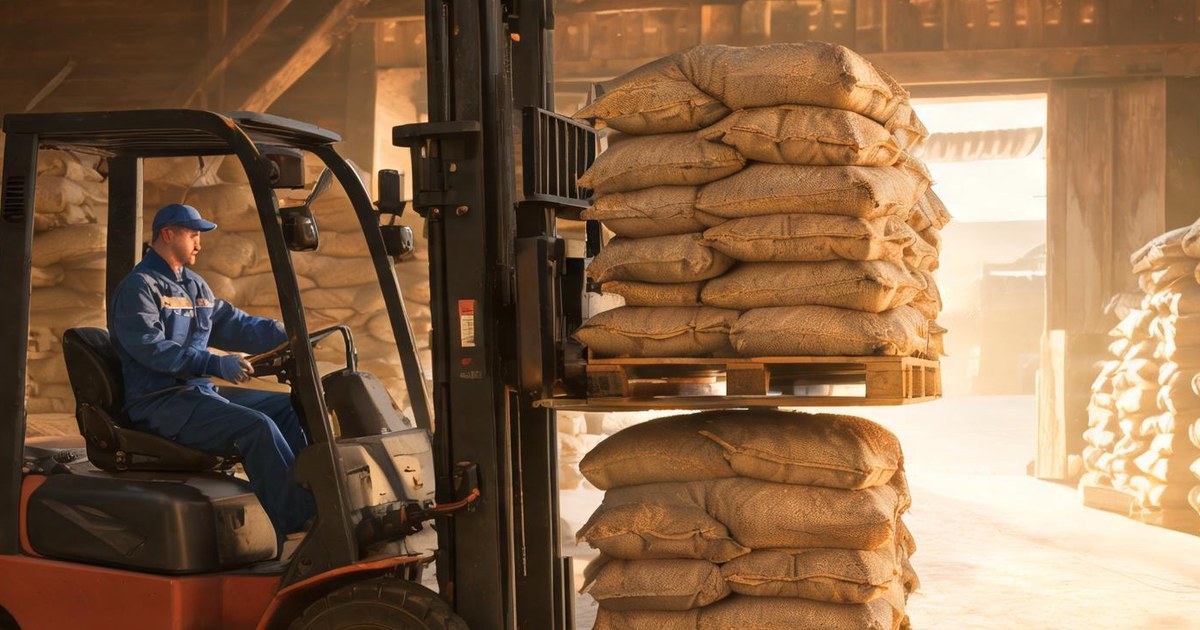
Raiffeisen Lagerhaus GmbH operates a network of agricultural warehouses (Lagerhaus is simply German for “warehouse”) across Lower Austria, running under the Lagerhaus brand familiar across rural Austria. These sites store grain, feed and fertiliser, sell seeds and building materials to farmers, and in small towns they are often among the biggest local employers. As Krone reports, the job cuts will affect several locations of the network at once.
The first names on the list are “unrentable” sites in Industrieviertel, the industrial belt south-east of Vienna. Concretely, the sites in Pernitz and Aspang are mentioned. The company has not said how many locations will close in total, but the scale is already clear from the number of notified employees.

Who is losing their job, and what it means for rural towns
More than 100 people are affected, and many of them are long-serving employees. For them, this is not a job change but a question of professional and financial existence for years ahead. In small towns like Pernitz the list of open vacancies is always short, and competition for every position is fierce.
Raiffeisen warehouses are part of Nahversorgung — the German term for everyday local supply. A local Lagerhaus does not only pay wages: it buys grain from farmers and serves farms and construction sites within tens of kilometres. When a site closes, the whole chain suffers: grain has to travel further, and small customers lose a supplier nearby.
The timing could hardly be worse. According to Statista, unemployment in Austria has been running at elevated levels, and job cuts in industry have already erased hundreds of thousands of jobs in recent years. A similar story recently unfolded in delivery services: mass layoffs at Lieferando came with the same union demand for social guarantees.
What employees need now is not further uncertainty, but planning certainty.
— Michael Pieber, Managing Director of the GPA union in Lower Austria
What the GPA union demands
The GPA union demands a full Sozialplan from Raiffeisen — an agreement on compensation, help with finding new jobs, and retraining for laid-off staff. Negotiations between the union’s Lower Austrian branch, GPA Niederösterreich, and the company’s management have already started. That alone is welcome, but the union is waiting for “binding answers from the Raiffeisen group”: vague promises of support guarantee nothing legally.
Pieber also criticises the Lower Austrian state government. Improvising “from one wave of redundancies to the next is not labour-market policy”, he says. The union demands a permanent Arbeitsstiftung — a standing retraining foundation through which people who lose their jobs quickly get access to education and new career options. Lower Austria so far only creates such foundations case by case.
The state must finally prepare in advance instead of running behind events.
— Michael Pieber, GPA Niederösterreich
Why Austrian agriculture is under pressure
The direct cause of the cuts is difficult economic conditions and sharply rising costs. As Raiffeisen Lagerhaus GmbH spokesperson Susanne Werner stated, the company is “implementing a comprehensive economic and structural realignment”. The goal is to put the company on a “financially stable and high-performing footing” long-term — but this, she admits, “unfortunately also involves personnel adjustments”.
The agricultural crisis hits farmers first and suppliers next. In September 2026 the frozen-food giant Ardo announced the closure of its plant in Groß-Enzersdorf: as Krone reports, vegetable growers in the region fear for the very existence of their farms. The president of the Lower Austrian Chamber of Agriculture, Johannes Schmuckenschlager, stressed that the precarious financial situation of farming is “increasingly leaving traces in upstream and downstream sectors” — and warehouses and processing plants are exactly those sectors.
What to do if your job is cut
If a layoff affects you in Austria, follow a clear sequence. Step one: register with AMS (Arbeitsmarktservice, the Public Employment Service) without delay, because unemployment benefit levels depend on an uninterrupted employment record. Step two: check the conditions of the Sozialplan GPA is negotiating — compensation and job-search support have been promised “in the best possible way”, including positions inside the Raiffeisen group and partner companies.
Next, consider Umschulung (retraining): the employment service funds retraining into shortage occupations. While you search, your financial backbone is unemployment benefit and the minimum guarantee Mindestsicherung. If your income no longer covers rent, read our guide to renting in Austria without a job, and if you plan to change careers completely, start with our general guide to working in Austria.
The Raiffeisen situation is not final yet: until the Sozialplan talks conclude, nobody can name concrete amounts or dates. That is exactly why the union demands “planbarkeit” — layoffs on a clear schedule with defined compensation instead of a phone call a week before the last day.

Frequently Asked Questions
How many jobs is Raiffeisen Lagerhaus cutting?
More than 100 jobs in Lower Austria. The company does not reveal the exact number of closing sites, but employees at several locations were notified at once.
Which warehouses are affected?
Primarily the “unrentable” sites in Industrieviertel — Pernitz and Aspang are named concretely. Rural and small-town locations important for everyday supply are affected.
What will laid-off employees receive?
Raiffeisen promises support in finding new jobs within the group and at partner companies. The GPA union is negotiating a full Sozialplan — compensation, timelines and a retraining programme; talks are already underway.
Why is Raiffeisen cutting its warehouses?
The causes are difficult economic conditions and sharply rising costs. Austria’s agricultural crisis drags related sectors along: a month earlier, Ardo closed its plant in Groß-Enzersdorf.
What happens next for Raiffeisen employees
The loss of more than 100 warehouse jobs is a test not only for the staff but for the whole model of local supply in Lower Austria. The coming weeks will show how the Sozialplan talks end and whether the province gets a permanent retraining foundation.
What you can do right now:
- Raiffeisen employees: join the GPA talks and make sure your Sozialplan claims are documented.
- Anyone at risk of layoff: register with AMS early and research retraining options in advance.
- Farmers and small customers: line up alternative storage and supplier options in time.
- Follow the topic — we keep covering Austria’s labour market.
If the labour market matters to you, subscribe to our newsletter — we explain layoffs, benefits and rule changes in plain language. Austria’s labour market is moving fast: whoever acts early loses the least.
Stay Up to Date with the Latest Austrian News
The week's top stories — news, guides, and insights about life in Austria. Every Sunday in your inbox.