Moving to Austria: My Emigration Results After 5 Years (September 2026)
Moving to Austria: My Emigration Results After 5 Years (September 2026) Moving to Austria: results of my emigration after 5 years — honest personal experience, real cost numbers, residence permit, work and tips for newcomers. Topics: Migration, .
In the autumn of 2021 I moved from Moscow to Vienna with one suitcase, €9,000 in savings and a list of thirty things to do in the first month. By September 2026 that list had turned into permanent EU residency, a €4,300 gross salary and an apartment with a courtyard view. This article is an honest set of results of my emigration to Austria: what the first year really cost, how I found a job and housing, why a Meldezettel (registration of residence) is the most important document for a newcomer, and how Austrian bureaucracy shapes everyday life. Salary data is cross-checked with Statista; permit requirements come from oesterreich.gv.at. If you are still weighing whether to start your own move to Austria, you will find real numbers here — not marketing promises.
Why I decided to move to Austria
The decision had been maturing for two years. I compared Austria with Germany and Switzerland and picked Vienna for three reasons: a labour market that valued my specialisation, a comparatively transparent residence permit system, and a quality of life that does not require a six-figure salary. In 2021 my German was at A1 — I started learning it six months before the move, two hours a day.
One important nuance: no “relocation programmes” existed for my country. The only work route was to find an employer, get a contract and apply for an Aufenthaltstitel (residence permit) through the consulate and then the magistracy. I walked that entire route and describe it in detail below.
Why not Germany, when salaries are comparable? Three arguments worked back then. First, transparency: almost every step of the process is described on oesterreich.gv.at in human language. Second, scale: Vienna offers capital-city life without Berlin’s rush or Hamburg’s price tag. Third, family logistics: my spouse worked remotely and did not care which country we lived in, as long as there was fast internet and decent coffee. If you are seriously comparing the two countries, start with the difference in the permit system — it affects everything else.
What I did before the move: a first-steps checklist
Four months before the move I closed six items, without which the first year would have been chaos:
- Emergency fund — €9,000. The math: three months of living at €1,500 plus an apartment deposit. In my experience, a buffer below €6,000 guarantees stress in the first months.
- Health insurance for the first month — a travel policy until a permanent Krankenkasse (sick fund) is in place.
- Document pack with translations: diploma, police clearance certificate, birth certificates — all with an apostille and German translation. It is cheaper and faster to do this in your home country.
- Language: basic A1 — not for the visa, but to survive in a supermarket and at an MA 35 appointment.
- Job search from home: I sent about 60 applications via LinkedIn and karriere.at. Five interviews, two offers — I signed the contract six weeks before the move.
- An initial document consultation — I booked a consulate slot early; they mailed the requirements list.
The key takeaway from this stage: the Austrian system likes paperwork ready in advance. As AMS notes, hiring a foreigner requires the employer to confirm labour market access — this takes weeks, and without a ready pack you simply lose the offer.
One separate hack on translations: Austria only accepts translations by sworn translators (prüfungsberechtigte Übersetzer). I paid €25–40 per page, and I have heard stories of apostilles done “in three days for half the price” — with the documents then rejected. One translated diploma with apostille cost me about €180. A police clearance certificate is valid for 3 months — do not delay this, or you will have to order a new one from Vienna.
And the last thing before departure: I memorised a list of basic German phrases for offices — how to book an appointment, how to ask for the bill, how to explain that you are looking for an apartment. It sounds banal, but those 30 phrases saved my first two months, while my real German was still asleep.
First months: MA 35, Meldezettel and the housing search
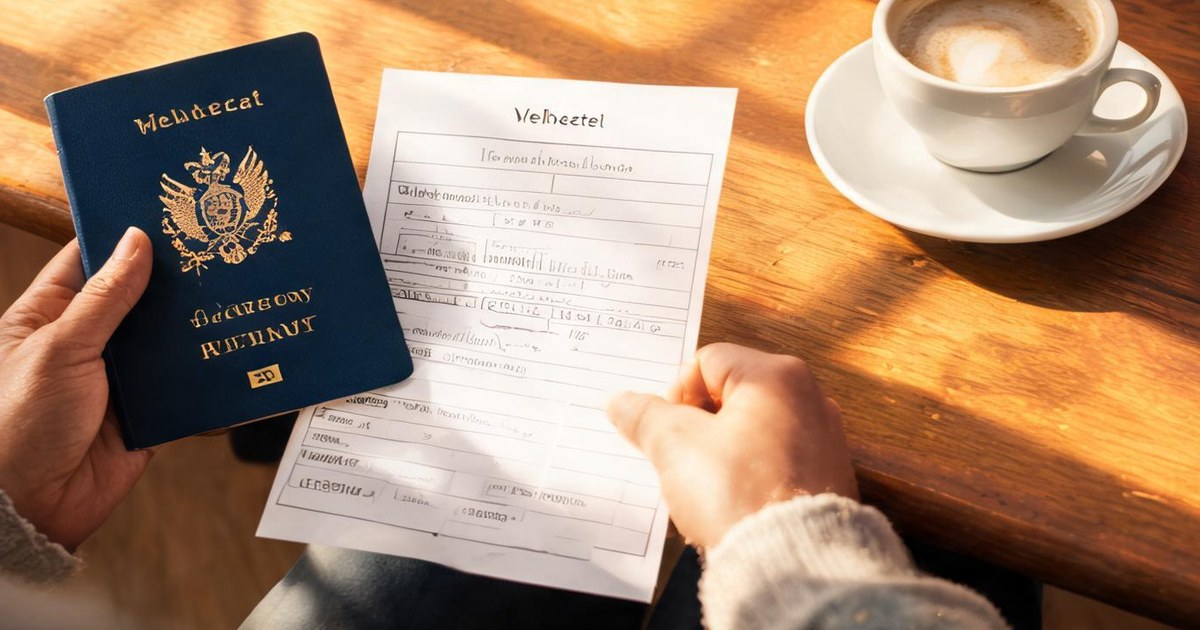
The first week after arrival went into three things: the Meldezettel, a bank account and a SIM card. Registration takes 15 minutes at the local Gemeinde (municipality) and costs €0 — but without it you cannot open an account, get insurance or renew your permit. Vienna accepts online appointments for all procedures via MA 35 — the office for foreign nationals, and I recommend grabbing a slot in the first month: waits are often 6–10 weeks.
Housing turned out to be the most emotional part of the early months. For the first two weeks I stayed in a hostel (€35/night), then rented a room in a WG (shared flat) for €480 through willhaben. The permanent apartment took another 3 months: with no Austrian renting history and no guarantor, agencies ask for a Kaution (deposit) of up to three monthly payments and, most often, three months of income statements. The market and the contract in detail — in our Vienna apartment renting guide.
What I learned about Vienna’s rental market during those months. First, willhaben listings live for 1–3 days: 20–40 people come to a viewing, and the decision is made the same evening. Second, agencies almost always charge a Provision (commission) of one month’s rent — this is legal, but it must be budgeted for in advance. Third, Gemeindewohnung (municipal housing) and Genossenschaftswohnung (cooperative housing) rent for 20–30% below market, but you can only get in “with a history”: after 2–3 years of registration and with income statements. The cooperative is Vienna’s main long-term lever, and almost nobody knows about it at the start.
Five years ago I thought the main task of emigration was collecting documents and physically moving. It turned out the main task is learning the language and stopping being afraid of offices: Austria offers chances, but they come to those who book appointments and show up with their case.
— The author, how2austria.com editorial team
Job search: how I found a role and what I earned in year one
I signed the contract while still in Moscow, but that does not change the reality: the first year is adaptation, not a career leap. My starting salary was €2,900 gross, slightly below market for my position in Vienna in 2021. After taxes and social contributions about €2,150 remained. Austria’s honest salary math is unpacked in our article on the average salary in Austria: a typical employee earns €3,800–4,200 gross, and the median income according to Statista for 2025 is about €3,600.
What helped me adapt faster at work:
- Kollektivvertrag (sector collective agreement) — I downloaded mine from the union website and checked every line of my payslip. Half of my colleagues did not know that the 13th and 14th salaries are anchored there.
- Jahresausgleich (annual tax reconciliation) — for the first year I got €680 back by filing through FinanzOnline.
- Talking to HR about the schedule — Austrian culture respects Gleitzeit (flexible start of the day), but you have to ask for it in German and with specific hours.
About interviews: of five interviews, four were held in English, but each one asked about German — an honest “A1, I’m studying, plan to reach B1 in two years” satisfied everyone. There is no red line, but the language level directly affects the pay band: in my case the difference between an “English candidate” and a “candidate with B1” is roughly €300–500 gross in the market rate. One more thing rarely written about: in the first 12 months, changing employers with some permit titles requires notification and a new authorisation — check your status in our residence permit extension guide before leaving your first job.
Language: how long German actually took
From A1 to B1 took me 2 years of classes twice a week at a VHS (Volkshochschule — adult community college; courses from €20 per level for residents). For the first six months I deliberately spoke German even in shops — painful, but it is the only road to understanding the dialect. By the fourth year I had passed B2, which produced two practical effects: the integration course was credited automatically, and my employer trusted me as a candidate for a promotion.
What it cost: about €1,500 for two years of classes plus textbooks. Worth every penny — without B1 you live in Austria as a long-stay tourist.
Practical details worth knowing before enrolling at a VHS. Courses place you by level after a short test; schedules are evening or Saturday so you can work. A semester lasts about 4 months. If your employer sees language as a work tool (and they do), part of the cost can be agreed as a Bildungskredit (training grant via AMS) — I did not use it, but two colleagues got up to €500 back for a certified course. Another resource is the Integrationskurs (integration course): it is mandatory for a range of permit titles and is credited if you already passed the language exam at the required level.
What the first year really cost: real expenses
My first year in Vienna (September 2021 – September 2022) cost roughly €8,000 on top of my salary. The main items:
| Expense item | Amount |
|---|---|
| Apartment deposit (Kaution, 3 months) | €2,460 |
| Hostel while apartment-hunting (14 nights) | €490 |
| Furniture and appliances for the first apartment | €1,800 |
| Flights and shipping belongings | €700 |
| German courses and textbooks (year one) | €750 |
| Household setup costs (SIM, transport, fees) | €1,200 |
| Medical costs without insurance (first 3 weeks) | €600 |
Monthly reality looked like this: rent €820 for a one-room flat (including Betriebskosten — service charges), transport pass €51, mobile €15, groceries €300–350. Base single living costs without entertainment — about €1,200. If you share a flat, the rent share drops to €600–700 — that is Vienna’s main financial lever.
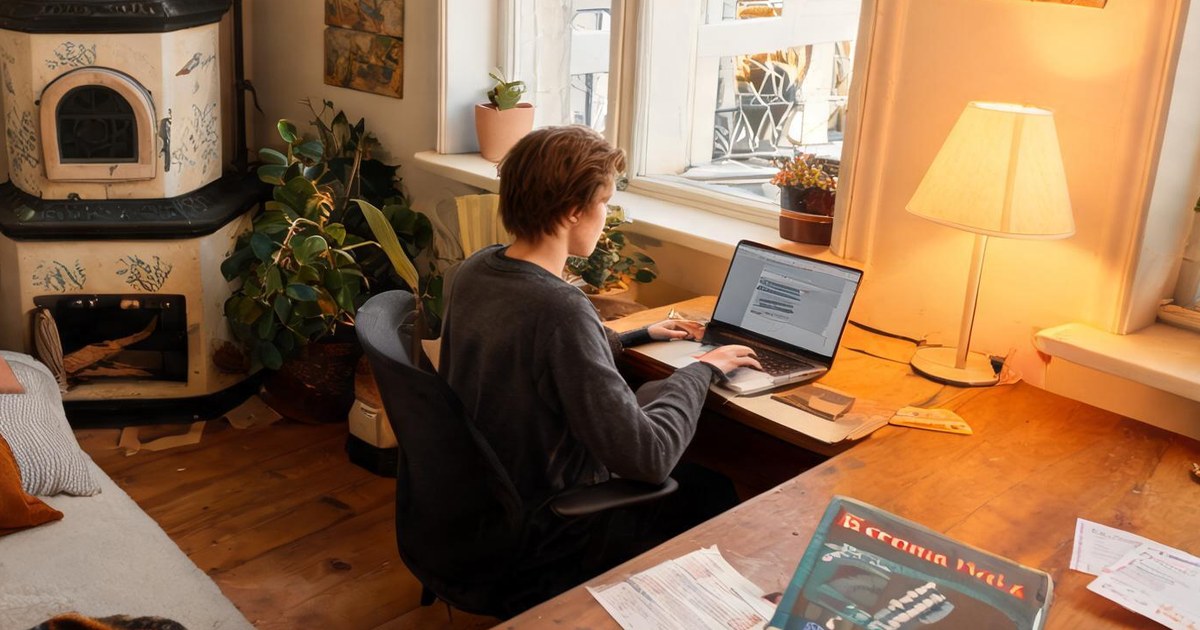
Insurance works from the first day of employment: the employer registers you with the ÖGK (public sickness fund, about 82% of the population), and the e-card arrives by post in 2–3 weeks. What basic coverage includes and how to choose supplementary insurance — in our article on health insurance in Austria. One separate note on expectations: in my first month I had no e-card, and a GP visit cost €150 out of pocket. With insurance the same visit would have cost €0 — basic coverage includes a family doctor and emergency care.
What turned out better — and harder — than I expected
Expectations versus reality is the most useful part of any emigrant’s report:
| What I expected | What actually happened |
|---|---|
| Bureaucracy — endless queues and chaos | Everything by appointment, everything online; slow, but predictable |
| No B1 German, no chance | I worked in English for the first two years; B1 matters mostly for offices |
| Expensive housing forever | After 5 years rent takes 25% of income instead of 40% at the start |
| Loneliness in year one | Found community through language class, gym and Heuriger evenings |
| Career growth within 2 years | Growth arrived in year 4 — after B2 and full command of the Kollektivvertrag |
The most underestimated resource of migrants is predictability. You know exactly when salary comes, when the permit renewal is due and how much rent will cost. That predictability is the main asset of Austrian life.
Permits year by year: from the first title to EU permanent residence
My paperwork path looks like this: national visa D → Aufenthaltstitel für Arbeitnehmer via MA 35 (first grant: 2 years) → renewal for another 2 years → in September 2026, exactly 5 years of legal residence, I applied for Daueraufenthalt – EU (EU permanent residence). The full map of permit types and requirements is in our article on types of Austrian residence permits, with practical filing tips in residence permit tips.
Three rules I learned the hard way:
- Income. For most titles in 2026 the threshold is €2,178 per month for a single applicant, confirmed by an income statement no older than 30 days (oesterreich.gv.at).
- Insurance and housing. Both are checked at every renewal: valid Krankenkasse and a Meldezettel at your actual address.
- Language. The first title renewal requires module A2, permanent residence requires B1. This step cannot be skipped.
Results of 5 years in Austria: what I have now, in September 2026
Five years after the move, my balance sheet looks like this:
- Status: application filed for Daueraufenthalt – EU; naturalisation is still 5 years away — the path is described in our guide to Austrian citizenship.
- Money: salary grew from €2,900 to €4,300 gross, emergency fund of €15,000, annual vacations funded by the 14th salary.
- Housing: a two-room flat for €1,050 warm, 40 minutes from the centre by tram.
- Language: B2 passed; German is a working tool and the language of my friends.
- Social life: four close friends from three countries, two Heuriger circles and a clear place in my district.
What is missing: the illusion that integration happens by itself. Everything I have is the result of office appointments, courses and boring financial decisions.
Translated into national averages, the picture matches mine: the median Austrian employee earns about €3,600 gross in 2025 (Statista data above), and taxes and social contributions are deducted on a progressive scale across 14 annual payments. Five years is enough time to move from the middle of the distribution into its upper third — if you change jobs deliberately and negotiate on the basis of the Kollektivvertrag.
What I advise anyone planning a move to Austria right now
If I were starting over in 2026, I would:
- Save €8,000–10,000 and not touch this buffer for the first 3 months.
- Find a job before the move — without a contract there is almost nothing to base a permit on (exceptions: study and family).
- Get apostilles and translations at home: in Vienna they cost 2–3 times more.
- Book MA 35 online in your first week after arrival.
- Start German now, even if you are confident in English: B1 in 2 years is a standard, not a heroics.
- Study the Kollektivvertrag for your profession before the first salary conversation.
- Plan your permit renewal 3 months before expiry — documents, income and insurance must be fresh.
Frequently Asked Questions
How much money do you need to move to Austria without a job?
At least €8,000: three months of living at €1,200–1,500 plus a €2,000–2,500 apartment deposit. With a contract in hand you can start with €5,000, but you still need a buffer.
How long does a residence permit take after moving?
The first Aufenthaltstitel usually takes 2–4 months after filing at MA 35: the appointment slot takes 6–10 weeks, the decision another 2–6 weeks. The national D visa is issued by the consulate 4–12 weeks before entry.
Do you need German to move to and work in Austria?
For an international company — no, you can work in English. For the permit, integration and career growth — yes: A2 to renew the first title, B1 for permanent residence and a normal life.
Is it worth moving to Austria in 2026?
If you have a sought-after profession, willingness to learn German and a one-year buffer — yes. The labour market remains steady, the median salary is €3,600 gross, and the permit system is predictable. Without German and a profession, the move turns into an expensive improvisation.
What I would do differently — and what comes next
If I sum up five years in one phrase: moving to Austria is a marathon of bureaucratic details, paid for with stability. I would have started German six months earlier, looked into Genossenschaftswohnung (cooperative housing) sooner, and not have left the Jahresausgleich to the last month. Next up: preparing for naturalisation and perhaps the road to an Austrian passport, which we describe in the citizenship section. If you are at the start of this path too — subscribe to our newsletter: once a week we send a no-fluff breakdown of one Austrian procedure.
Stay Up to Date with the Latest Austrian News
The week's top stories — news, guides, and insights about life in Austria. Every Sunday in your inbox.