
What changes in Austria in August 2026: key dates at a glance
What changes in Austria in August 2026: key dates at a glance What changes in Austria in August 2026: new residence rules, school-start payment, rail disruption, pay rises and a public holiday on August 15. Topics: News, Economy, Politics.
August is usually a quiet month in Austria: schools are closed, many offices run on reduced hours and much of the country is on summer holiday. But several legal, administrative and transport changes still take effect during the month. What changes in Austria in August 2026 — we have collected everything in one overview. Expect new residence-document rules, collective agreement pay rises, a school-start payment for families and major rail disruption. We also cover the only national public holiday of the month, Mariä Himmelfahrt on August 15. At the end you will find a date-by-date checklist so nothing catches you off guard.
Pay rises from August 1: collective agreement increases
Several collective agreement increases take effect at the beginning of August 2026. Minimum salaries and apprentice pay at the Justizbetreuungsagentur (JBA) — the agency that provides staff and services for parts of Austria’s justice system — will rise by 3.3%. Allowances, supplements and on-call payments covered by the agreement increase by the same percentage.
Employees in Austria’s milling and compound-feed trades also receive increases. Salaried minimum scales go up by 2.6%, while apprentice pay rises by 3.4%. Employers must apply the new rates to the August payslip.
If you already earn above the collective minimum, the increase may affect you differently depending on your contract and seniority-based supplements. Check your August payslip and your collective agreement classification. The full list of agreements is published by the WKO.
New residence-document rules in August 2026
One of the most significant changes of the month concerns immigration law. Amendments to the Niederlassungs- und Aufenthaltsgesetz (NAG) — the Settlement and Residence Act — are expected to enter into force in August. As oesterreich.gv.at reports, they implement the requirements of the EU asylum and migration pact.
What changes in practice:
- The procedure for the combined work and residence permit for third-country nationals — the Red-White-Red Card — is simplified.
- Authorities get a standard decision deadline of 90 days.
- New rules are introduced for changing employer and for family reunification (Familiennachzug), which is now regulated in the residence law and tied to national reception capacities.
The National Council approved the amendment on May 20, 2026, but entry into force still requires the consent of the federal states for promulgation. If you hold or are applying for a residence permit, keep an eye on the effective date. Our guide to residence permits in Austria walks you through the procedures.
School-start payment: Schulstartgeld arrives August 8
Families receiving Austrian family allowance, known as Familienbeihilfe, will receive the annual school-start payment with their August benefit. The Schulstartgeld amounts to €121.40 for each eligible child aged between six and 15.
No separate application is required. According to the Bundeskanzleramt, the payment is transferred automatically with the August instalment, generally by August 8 for SEPA accounts. Foreign residents qualify under the usual family allowance rules, although special coordination provisions can apply to families connected with another EU, EEA or Swiss country.
If the payment is missing, check the August transfer and contact the tax office (Finanzamt). For eligibility details, see our article on Familienbeihilfe in Austria.

Rail disruption: S-Bahn and Rudolfsbahn closures
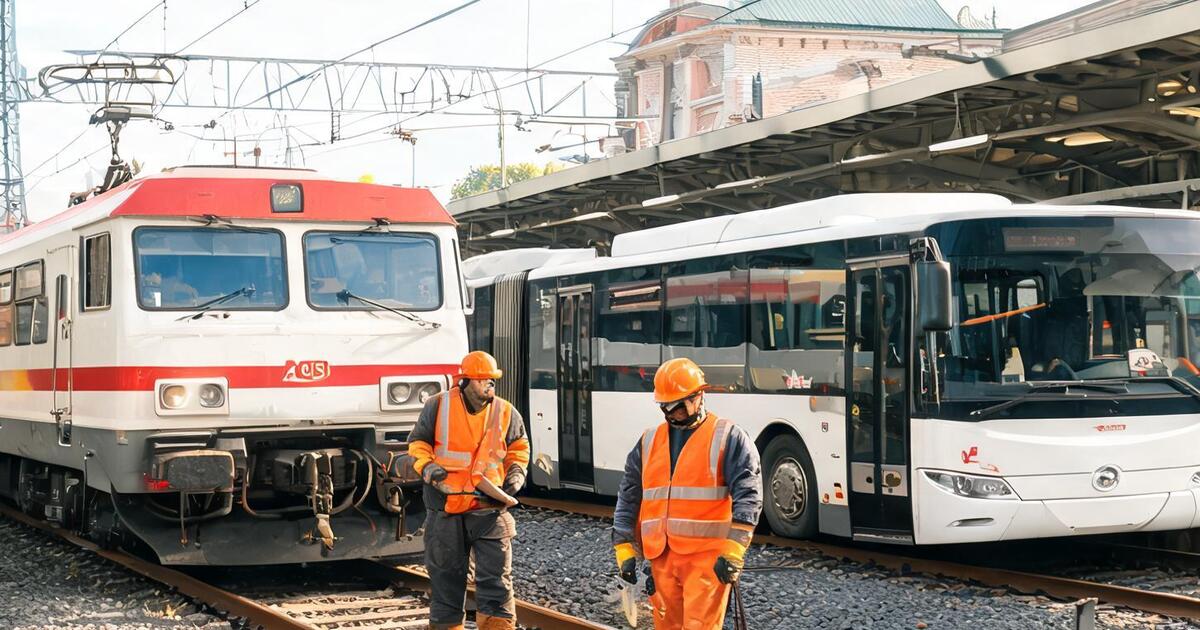
August 2026 is a hard month for commuters. From August 10, several northern S-Bahn sections in Vienna close: no trains will run between Floridsdorf and Süßenbrunn, Gerasdorf, Wolkersdorf, Jedlersdorf and Korneuburg. Replacement buses for the S1, S2 and S3 will connect passengers with the U-Bahn network. REX2 and REX3 services terminate at Wolkersdorf and Korneuburg, while REX1 trains are diverted through Stadlau and Simmering to Vienna Central Station.
The additional closures run until September 6 and come on top of the summer closure of the S-Bahn main line between Praterstern and Floridsdorf. As ÖBB points out, valid ÖBB tickets are accepted on designated Wiener Linien replacement routes. Allow considerably more travel time — we covered similar restrictions in our story on the Westbahnstrecke closure.
Major works also affect the Rudolfsbahn: from August 17, 6am, until September 5, midnight, trains are replaced by buses on the sections Amstetten – Kleinreifling, Weißenbach-St. Gallen and Selzthal. From August 24, an additional section between Garsten and Kleinreifling or Weißenbach-St. Gallen closes. Bicycles cannot be carried on the replacement buses, and passengers needing accessible travel should contact ÖBB at least 24 hours in advance.
Mariä Himmelfahrt on August 15: the only holiday of the month
August 15 is Mariä Himmelfahrt (Assumption Day), Austria’s only national public holiday in August. In 2026 it falls on a Saturday, so most people who work Monday to Friday will not get an extra day off.
Most ordinary shops, banks and public offices will be closed, with the usual exceptions at airports, railway stations, petrol stations and some tourist areas. Public transport may run to a Sunday or public holiday timetable, so check opening hours at your local supermarket and pharmacy. Mariä Himmelfahrt remains an official day off in all nine Austrian federal states.
Other changes: packaging, tobacco, BauID and deadlines
August also brings less visible but important updates. From August 12, the new EU Packaging Regulation (PPWR) applies in Austria: food-contact packaging must no longer exceed new PFAS limit values, and coffee capsules, pads and teabags now legally count as packaging. Mandatory participation in collection and recycling systems starts October 1, 2026.
From August 20, changes to the tobacco and non-smoker protection act take effect: as Parliament notes, disposable e-cigarettes are banned (remaining stock may be sold until December 31, 2026), and nicotine pouches can no longer be sold to minors. Violations carry fines from €500, rising to €2,000 for repeat offences.
From August 1, the BauID system on construction sites is reorganised: cards are now issued by BUAK, and around 140,000 construction workers will receive them free of charge over three years.
This is an important step for digitalisation and cutting red tape — it enables a paperless construction site and makes controls easier.
— Korinna Schumann, Austrian Minister of Labour
Also mark August 3 in your calendar: for University of Vienna applicants from outside the EU, EEA and Switzerland, it is the last day to apply for the winter semester 2026/27. And from August 16, the ÖBB Summer Ticket bought late will be valid for less than 30 days, because September 13 remains the final use date. The ticket costs €41 for travellers under 20 and €62 for those aged 20 to 25 — see our guide to the Vorteilscard ÖBB for details on rail discounts.
What is not changing in August 2026
Not everything goes up or changes in August. No increase in public transport fares, motorway vignette or prescription charges has been confirmed for the month. The Rezeptgebühr (prescription fee) stays at €7.55 per package throughout 2026.
There is also no clock change: Austria remains on Central European Summer Time (CEST) until October 25. If you drive on the motorways, it is worth checking your vignette in advance — we explain the rules in our article on the digital vignette.
School holidays continue for the whole of August. Schools reopen on September 7 in Vienna, Lower Austria and Burgenland, and on September 14 in the other provinces. In Vienna, children and young people under 15 can travel free on Wiener Linien during the school holidays.
Frequently asked questions
What changes in Austria in August 2026 for residence permit holders? The amendments to the Niederlassungs- und Aufenthaltsgesetz are expected in August: a simplified combined work and residence permit, a 90-day decision deadline and new rules on changing employer and family reunification. The exact date depends on the federal states’ consent.
Do I need to apply for the Schulstartgeld? No. The €121.40 payment per child aged 6 to 15 arrives automatically with the August Familienbeihilfe instalment, usually by August 8. If you do not yet receive family allowance, you need to apply for that first.
Which trains are not running in August 2026? From August 10, northern Vienna S-Bahn sections (Floridsdorf – Korneuburg and neighbouring lines) close until September 6. From August 17, buses replace trains on the Rudolfsbahn sections Amstetten – Selzthal. Replacement buses run and ÖBB tickets remain valid.
Are shops open on August 15? On Mariä Himmelfahrt most shops, banks and public offices are closed. Exceptions apply at airports, railway stations, petrol stations and tourist areas. Public transport may run to a Sunday timetable.
August 2026 at a glance: your checklist
August 2026 in Austria is not just about holidays — it brings a dozen important changes. Here is what to do in the coming weeks:
- Check your August payslip if you work at the JBA or in the milling and compound-feed trades.
- Watch for the effective date of the NAG amendments if you are applying for a residence permit.
- Verify the Schulstartgeld in your August Familienbeihilfe transfer.
- Allow extra time for travel through northern Vienna and on the Rudolfsbahn.
- Remember that August 15 is a public holiday and check shop opening hours.
Want to stay on top of changes like these? Subscribe to our newsletter — once a week we send the most important updates for living in Austria. And in our guide to residence permits you will find all current procedures for moving to or renewing documents in the country.
Stay Up to Date with the Latest Austrian News
The week's top stories — news, guides, and insights about life in Austria. Every Sunday in your inbox.