Buying a Christmas Tree in Austria: When, Where and 2026 Prices
Buying a Christmas Tree in Austria: When, Where and 2026 Prices Buying a Christmas tree in Austria in 2026: when sales start, where to find Christbaum markets in Vienna and other cities, tree types and price ranges. Topics: Daily Life, Leisure & Culture.
Buying a Christmas tree (Weihnachtsbaum or Christbaum) in Austria for the 2026 season usually means shopping from early or mid-December at municipal tree markets, local farms, or specialist sellers. In this guide you will learn when and where you can buy a Christmas tree in Austria, what prices to expect in 2026, which tree types are most popular, and how to keep a real tree fresh through the holidays. We cover practical dates for Vienna, Graz, Linz, Salzburg, Innsbruck, Bregenz and Klagenfurt, plus tips that help you choose the right tree without stress.
When Christmas tree sales start in Austria
Across Austria, the main season for real Christmas trees typically starts in early to mid-December and runs until 23-24 December. Many sellers wait until December because a freshly cut tree lasts longer indoors when it is bought closer to Christmas. This is why Christmas tree markets often open later than the famous Advent markets and winter events, which can begin weeks earlier.
Some farms and services start earlier. In Lower Austria, for example, selected sales points may open in late November, while plantations in Upper Austria sometimes let you choose a tree in advance and collect it in December. Booking or choosing early can be a smart option if you want a specific size or prefer to avoid the busiest weekends.
If you plan to buy a Christmas tree in Austria during peak dates, expect crowds in the second and third weekends of December. Weekday mornings are usually calmer and give you more time to compare trees, ask about the cut date, and arrange delivery if needed.
Where to buy a Christmas tree in Austria
One of the easiest ways to find a seller near you is the nationwide directory Weihnachtsbaum aus Österreich, run by Austrian Christmas tree producers. You can search by federal state, district, town or postcode and filter for services such as delivery, pre-selection, potted trees, or cutting your own tree at a farm.
Municipal Christmas tree markets are another popular option, especially in larger cities. They offer clear opening hours and the chance to compare several sellers in one place. Buying directly from a farm (Ab-Hof-Verkauf) can be a good choice if you value local origin and want advice straight from the grower.
Before you go, decide whether you need extras like a stand, netting, or home delivery. According to guidance shared by Austrian producers, a tree stays fresh longer when it is transported carefully and placed in water soon after purchase. Sometimes a slightly higher price per metre is worth it if delivery and a fresh cut are included.
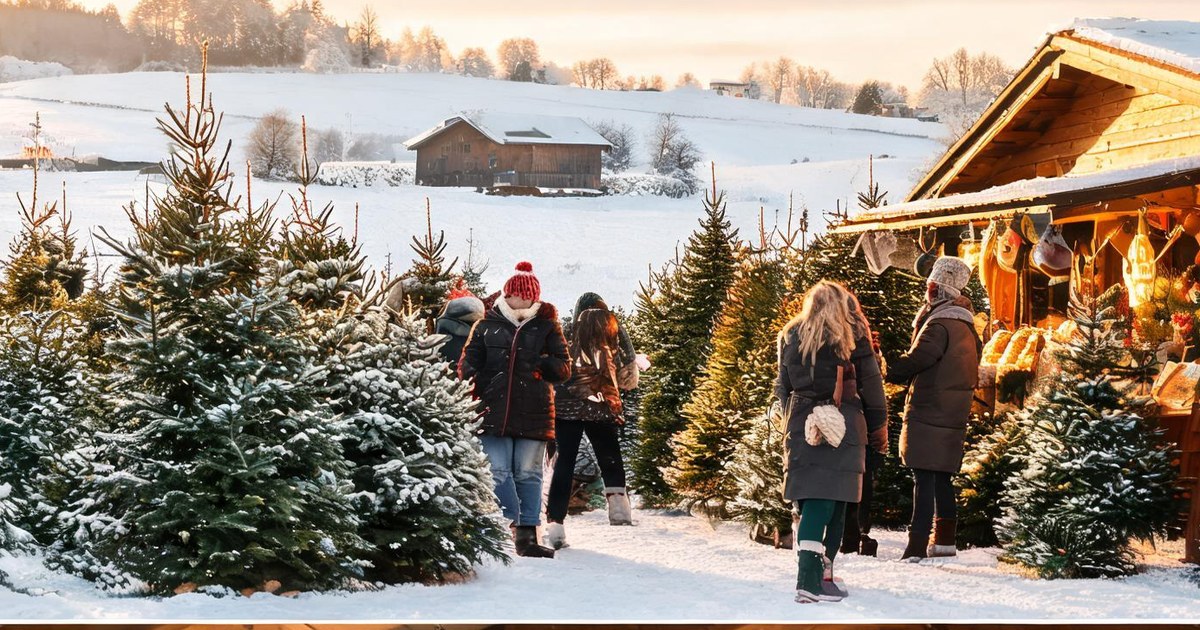
Christmas tree market dates in major Austrian cities
Dates vary by city, but most municipal markets operate from mid-December until 23-24 December. Below are practical 2026 reference points based on city information and traditional schedules. Always check the official city website shortly before you go, as exact locations and hours can change.
Vienna
In Vienna, municipal Christmas tree markets traditionally run from around 12 to 24 December, with permitted opening hours often around 8:00-20:00. The city publishes the detailed list of locations for each season. In addition, private sellers and charity sales open at different times in early and mid-December.
Graz, Linz and Salzburg
In Graz, Christmas tree markets usually operate 10-24 December (around 8:00-20:00) at locations such as Stadtpark, Lendplatz and Schillerplatz. In Linz, municipal markets often run 11-24 December (commonly until about 18:30) at Urfahraner Marktgelände, Südbahnhofmarkt and Volksgarten. In Salzburg, the traditional market at Residenzplatz typically takes place 8-23 December during daytime hours.
Innsbruck, Bregenz and Klagenfurt
In Innsbruck, sales often start later, around 16-23 December. In Bregenz, the market on Kornmarktstraße usually runs 16-24 December, with shorter hours on Christmas Eve. In Klagenfurt, trees are traditionally sold at the exhibition grounds (Messegelände), but the exact 2026 dates are announced by the city. For up-to-date schedules, check official pages such as Stadt Wien and Stadt Graz.
Plan to buy your Christmas tree closer to mid-December so it keeps its needles longer in a warm home and looks fresh through the holidays.
- Guidance from Austrian Christmas tree growers
Christmas tree prices in Austria in 2026
How much a Christmas tree costs in Austria depends on the species, height, quality and where you buy it. As a 2026 guideline from producers and city references, spruce (Fichte) trees are often priced around €8-16 per metre, while fir trees (Tanne), including the popular Nordmann fir, are commonly around €18-40 per metre. In Vienna, indicative local prices can range roughly from €10-35 per metre depending on the type.
Nordmann firs cost more because they have softer needles and tend to hold them longer indoors. Spruce trees are usually cheaper and have a stronger classic scent, but they may shed needles sooner in dry, heated rooms. For households with children or pets, the softer Nordmann needles are often the more practical choice.
Ask what is included in the price: a fresh cut, netting, a stand, or delivery can change the total value. When planning holiday spending, it also helps to keep an eye on everyday living costs in Austria so the tree fits comfortably into your seasonal budget.
Popular Christmas tree types: Nordmann fir, spruce and potted trees
The Nordmann fir (Nordmanntanne) is the most popular Christmas tree in Austria thanks to its dense branches, soft needles and good needle retention. Spruce (Fichte) is the traditional, fragrant option, but it needs more careful watering and a cooler indoor spot. For small flats, compact trees or potted options can be easier to manage.
A potted Christmas tree (Christbaum im Topf) is a good alternative if you want to plant it later or reuse it. Keep in mind that a potted tree should not stay in a warm living room for too long, as sudden temperature changes can stress it. Ask the seller how to acclimatise the tree before and after the holidays.
If this is your first time buying a tree in Austria, check the cut surface: fresh, light-coloured wood usually means a recent cut. Flexible needles and an even shape are also good signs. Avoid trees that drop many needles when you gently shake a branch.
How to choose a fresh tree and check quality
You can assess a Christmas tree quickly with a few simple checks on site. Run your hand gently against the direction of the needles: a few falling needles can be normal for spruce, but heavy shedding is a warning sign. Nordmann fir needles usually stay on better and feel softer. The trunk should be straight enough to fit securely in your stand, without large cracks or damaged bark at the base.
Ask when the tree was cut and how it was stored. Reputable sellers at municipal markets and certified farms can usually answer clearly. According to practical guidance from oesterreich.gv.at on everyday services and consumer information in Austria, asking about origin and storage conditions is a sensible step for seasonal products - and for live trees it directly affects how long they last at home.
If you are choosing a tree with children, look at the overall shape as well as height. A symmetrical crown is easier to decorate, and dense lower branches can hide the stand. For smaller flats, a narrower Nordmann fir or a compact potted tree can be a better fit without losing the festive look.
Quick quality checklist
- Cut surface: light and moist, not dark or dry.
- Needles: flexible, rich in colour, not brittle.
- Branches: evenly spaced and resilient when gently moved.
- Scent: spruce has a stronger aroma; fir is milder.
- Fit: trunk diameter matches your stand and the tree stands stable.
For transport, use netting and secure the tree well so branches do not break on the way home. Measure your space before buying, including ceiling height and the width needed for the stand and decorations. Leaving 10-15 cm extra space for the top ornament helps avoid last-minute surprises. A bit of planning goes a long way - just as it does when organising summer trips and activities in Austria.
How to care for your Christmas tree at home
Once you bring the tree home, cut 1-2 cm off the base of the trunk to help it absorb water. Place it in a stand with a water reservoir and fill it immediately. Real trees can drink a lot in the first days, so check the water level daily and never let the base dry out. If the cut surface dries for even a few hours, the tree absorbs less water and needles may drop sooner.
Position the tree away from radiators, fireplaces and strong heat sources. Dry indoor air makes needles fall faster. If your home is very warm, keeping the room slightly cooler at night and maintaining water in the stand can noticeably extend the tree’s life. Many households in Austria also use LED lights, which produce less heat around branches than older bulbs.
If you bought the tree early, store it in a cool, sheltered place such as a balcony, garage or courtyard until you are ready to decorate. Keep the base in water if possible. This is especially helpful for spruce trees, which are more sensitive to heat than Nordmann firs. If you live in an apartment, plan the tree’s position in advance so you can reach the stand easily for daily watering.
Safety and comfort at home
- Make sure the tree is stable, especially with children or pets around.
- Use intact light strings and switch them off when unattended.
- Keep the tree away from open flames, candles and heaters.
- Check the water level every day - good for freshness and for fire safety.
Christmas tree disposal in Austria after the holidays
After the holidays, Christmas trees in Austria are collected through municipal systems. Many cities and municipalities set up designated collection points (Christbaumsammelstellen) or specific pickup days in January. Rules vary by location, so check your local municipality or waste service website for exact instructions.
Before disposal, remove all decorations, tinsel, hooks and lights. Potted trees should not be treated as cut trees - follow local guidance for composting or planting. In apartment buildings, building management may also provide information about organised collection.
Proper disposal is a normal part of the season and easy to manage once you know the local routine. If you are still settling into life in Austria, getting familiar with local services - from registration after moving to seasonal collection points - makes everyday life smoother.
Sustainable choices and responsible buying
More buyers in Austria are paying attention to where their Christmas tree comes from. Many local producers grow trees on managed plantations and replant regularly, which supports a controlled supply. Choosing a regional grower can reduce transport distances and support local farms - a small but practical step toward more sustainable holiday habits.
If certification or growing practices matter to you, ask the seller directly. Transparent information about origin and cultivation is a good sign. As highlighted by Austrian environmental advisory resources, mindful seasonal choices can reduce environmental impact without giving up traditions.
A potted tree or, in some regions, a rented living tree can be alternatives to a cut tree. These options are not for everyone, but they are worth considering if you have outdoor space or can provide proper care after the holidays.
Transport and buying options: what works best
How you buy your tree often depends on where you live and whether you have a car. In cities, combining public transport with delivery can be convenient - many sellers at municipal markets offer home delivery for a fee. If you drive, protect your boot with a cover and secure the trunk so branches are not damaged on the way.
If you do not have a car, choose a sales point close to home or arrange delivery in advance. In Vienna and other cities this is common in December, but time slots can fill up on busy weekends. For newcomers settling in, planning practical errands - from registration after moving to seasonal purchases - helps keep the holiday period relaxed.
| Buying option | Advantages | Things to check |
|---|---|---|
| Municipal market | Central location, easy comparison | Can be busy, prices vary |
| Farm (Ab-Hof) | Clear origin, direct advice | Transport or delivery needed |
| Pre-order/delivery | Saves time | Ask about cut date and terms |
| Potted tree | Reusable or plantable | Needs care and acclimatisation |
Whatever option you choose, keep the receipt and ask about included services. If you are buying for an office, school or shared flat, clarify in advance who handles transport, watering and disposal after the holidays - small agreements prevent confusion in January. Planning your seasonal budget - including gifts, travel and everyday expenses - makes it easier to enjoy the holidays without surprises.
In many municipalities, collected trees are recycled into mulch or biomass, so remove all plastic, metal and lights completely. If you miss the scheduled pickup or collection window, check local rules before disposing of the tree in general waste, as some areas may issue warnings. A quick reminder in the first week of January helps avoid last-minute stress.
Frequently Asked Questions
When is the best time to buy a Christmas tree in Austria?
The best time to buy a real Christmas tree is usually mid-December, about 7-10 days before Christmas. This timing helps the tree stay fresh and keep its needles longer indoors. If you choose a Nordmann fir, buying a little earlier is fine; spruce is best brought home closer to 20-23 December.
Where is it cheaper to buy a Christbaum: at a farm or at a city market?
Buying directly from a farm (Ab-Hof-Verkauf) can be cheaper, while city markets make it easier to compare sizes and species in one place. The best value depends on extras like delivery, a fresh cut and netting: farms often win on price, markets on convenience and time saved.
Which Christmas tree type lasts the longest indoors?
The Nordmann fir typically keeps its needles the longest. Spruce trees smell stronger but often shed needles sooner in warm, dry rooms. With proper care (fresh cut and daily watering), any fresh tree will keep its appearance longer through the holiday period.
Can I buy a potted Christmas tree and plant it after the holidays?
Yes, a potted Christmas tree (Christbaum im Topf) can be planted later if it does not stay too long in a heated room and is acclimatised properly. Ask the seller for watering and acclimatisation instructions, and choose a planting spot in advance that suits your local climate.
Key takeaways for buying a Christmas tree in Austria
- Timing: most sales run from early/mid-December until 23-24 December.
- Where to buy: use producer directories, farms, and municipal markets in your city.
- Choose the right type: Nordmann for durability, spruce for scent, potted for replanting.
- Check freshness: a light, moist cut and flexible needles are good signs.
- Care matters: a fresh cut, daily water and a cool spot keep the tree looking good.
- After the holidays: follow local collection dates and remove all decorations before disposal.
Quick checklist before you buy
A short checklist makes the purchase easier, especially on busy market weekends:
- Measure your space: ceiling height, floor area and distance to heaters or candles.
- Decide on type: Nordmann fir for durability, spruce for scent, or potted tree for replanting.
- Set a budget: include delivery, stand and decorations, not only the price per metre.
- Plan transport: netting, straps and a protected car boot - or book delivery in advance.
- Ask key questions: cut date, storage conditions, and whether a fresh cut is included.
Spending five minutes on this checklist can prevent common problems like a tree that is too tall, dries out quickly, or is difficult to transport. It also helps you compare offers fairly when prices differ between markets and farms.
Buying a Christmas tree in Austria is straightforward when you know the dates, price ranges and care basics. For more practical guides about everyday life in Austria, subscribe to our newsletter.
Stay Up to Date with the Latest Austrian News
The week's top stories - news, guides, and insights about life in Austria. Every Sunday in your inbox.