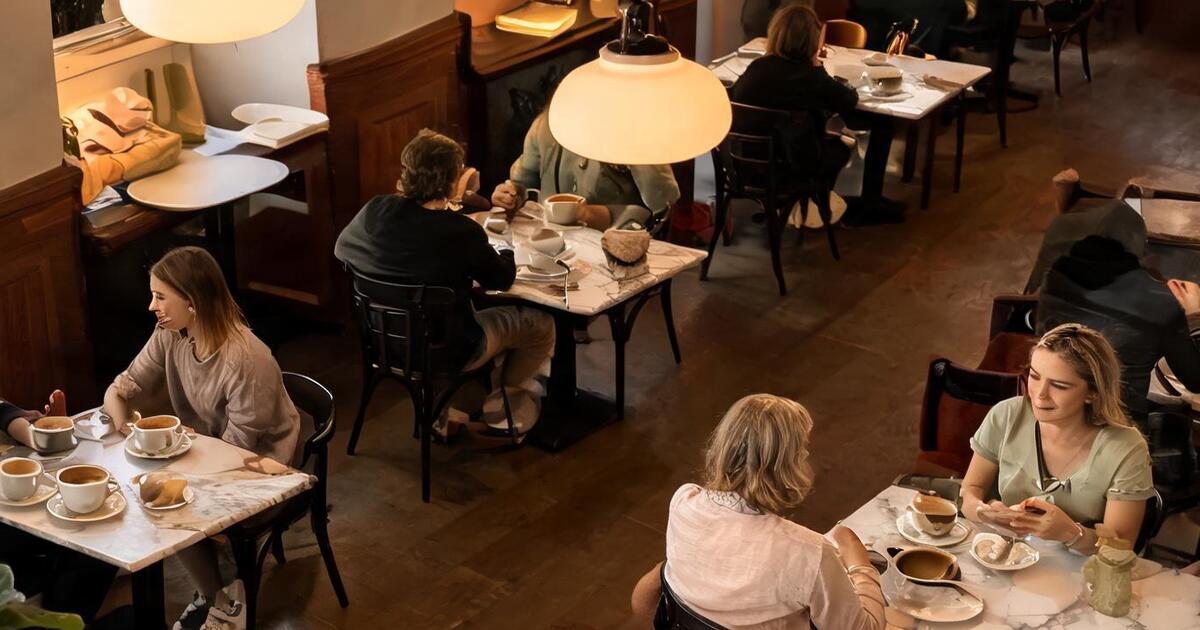
Host Family and Au Pair in Austria: Full Fridge, Place at the Table — and Someone Who Stays Host family and au pair in Austria 2026 guide: how to become a Gastfamilie, which residence permit au pairs need, costs, rights, and Meldezettel registration. Topics: Daily Life, Housing, Residence Permits.
A full fridge, a place at the table — and someone who stays. In Austria this is not a metaphor but the legal definition of the Au Pair programme and the Gastfamilie (host family). You provide a room, board and family life, a young person from abroad helps with children and light housework, learns German and becomes part of the household. This guide shows how to become a host family in Austria, what housing and income conditions apply, which Austria residence permit an au pair needs, how much it really costs and how to register everything correctly. We checked official sources, agencies and everyday life — from Meldezettel (registration of residence) to Taschengeld (pocket money).
What Does “Full Fridge, Place at the Table” Mean — and Who Stays?
For an au pair in Austria the phrase is a legal requirement: the host family must provide a separate lockable room, full board and inclusion in family life. This is what distinguishes an au pair from a nanny or housekeeper. According to oesterreich.gv.at — Au-Pair, the au pair comes for cultural exchange, not for regular employment, and lives with the family as a temporary family member, usually for 6 to 12 months. The au pair holds an Aufenthaltstitel (residence permit), the family has duties around housing, insurance and language learning.
In practice “who stays” depends on nationality and goal. If the au pair is from the EU/EEA/Switzerland, a simple Anmeldebescheinigung (registration certificate) is enough and the stay can be extended. If from a third country (e.g. Russia, Ukraine, Kazakhstan), a dedicated Aufenthaltstitel “Au Pair” must be obtained at the Austrian embassy before entry and then registered locally. According to BMI — residence statistics 2024 (section Aufenthaltstitel), 73% of au pairs in Austria in 2024 came from EU countries, but applications from third countries grew by 12% versus 2023. Understanding the status early saves months of waiting.
Au Pair and Gastfamilie in Austria in Plain English
A Gastfamilie (host family) is a family in Austria that hosts an au pair at home; an au pair is a young person aged 18–27 who helps with children and light housework, learns German and receives Taschengeld. In Austria the model is clearly separated from employment: as noted by Austrian Public Employment Service — Au Pair and WKO — Au Pair, an au pair is not considered an employee and help is limited to 18 hours per week of light duties. You live together, eat at the same table, share the Wohnung (apartment) and everyday life, but keep distinct roles.
For families it is flexible help with children plus cultural exchange; for au pairs it is a chance to learn German, see how renting an apartment in Vienna and beyond works, and experience Austrian family life up close. Unlike a normal rental where you rent an apartment in Austria via willhaben and pay a Kaution (deposit) of up to three gross rents, here you share housing and costs differently. If you already rent, see also our guide on WG rooms in Austria for floor-space norms and tips on sharing a flat without conflict.
What Conditions Must a Family Meet to Host an Au Pair?
To become a host family in Austria you must prove you can offer real at-home conditions. First, housing: a separate room of at least 8–12 m², lockable, with window, heating and furniture, plus access to kitchen, bathroom and washing machine. Second, family composition: at least one child under 18 must live in the household, and the au pair must never be left alone as the sole adult with children — a parent must be present. As oesterreich.gv.at states, the family must provide board, lodging and family integration, plus allow time for a German course.
Third, finances and language support: the family pays Taschengeld of at least € 555.35 per month (2025/2026 reference, AMS/WKO practice), covers 50% of the German course (typically € 250–400 per semester), provides insurance and a public transport pass. An au pair does not replace a professional nanny and must not do heavy housework. If you are renting, check whether your Mietvertrag (rental contract) allows an additional resident — you usually need the landlord’s written consent. The relationship is fixed in a written Au-Pair-Vertrag (contract), which since 2026 is recommended to be registered with an agency or the municipal authority.
Which Residence Permit and Visa Does an Au Pair from Outside the EU Need?
For an au pair in Austria from a third country the key document is the Aufenthaltstitel (residence permit) of type “Au Pair”. According to oesterreich.gv.at — Aufenthaltstitel Au Pair and BMI — Settlement and Residence, you apply before entry at the Austrian embassy with contract, proof of housing, insurance and confirmation of German course enrolment. Processing usually takes 8–12 weeks. For EU/EEA/Swiss citizens no visa is needed; an Anmeldebescheinigung at the Magistrat (municipal authority) within 4 months after arrival is enough.
After arrival the first step is the Meldezettel (registration of residence) within 3 days at the Magistrat / Bezirkshauptmannschaft (district authority). Without it you cannot get insurance or enrol on a course. Next, apply for the Aufenthaltskarte or extension at the local MA 35 in Vienna or the BH in the provinces. According to Statistik Austria — Migrations 2024, the average au pair age in Austria is 21.4 years and the average stay is 9.2 months. If “someone who stays” wants to stay longer, note the 12-month ceiling — after that a different Austria residence permit is needed. Learn more about permit types in our overview types of residence permits in Austria.
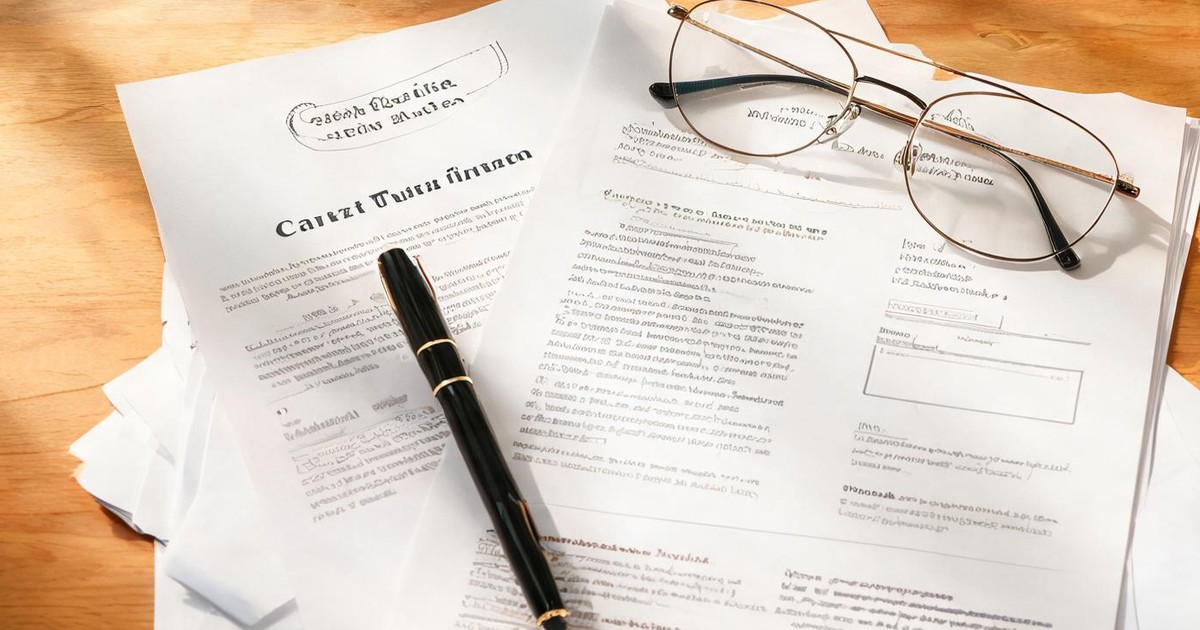
How Much Does an Au Pair Cost: Pocket Money, Insurance, Housing
Au pair in Austria is not a salary but Taschengeld plus board and lodging. In 2025/2026 the benchmark is € 555.35 per month pocket money (gross), plus housing and food at the family’s expense. As WKO — Au Pair Costs 2025 reports, add 50% of the language course (usually € 250–400 per semester), a public transport pass (€ 30–60 per month depending on the city) and insurance (€ 70–110 per month if not covered by e-card). Total direct costs for the family are € 750–900 per month excluding food and utilities.
For comparison: according to AMS — Salary Compass 2025, the average gross salary of a professional nanny in Vienna is € 1,800–2,200 for 30 hours, so an au pair costs about half but help is limited. If you rent, remember Betriebskosten (operating costs) of € 2.80–3.50/m² in Vienna in 2026 — they rise with another person in the flat. Before inviting an au pair, check whether your Mietvertrag allows an additional occupant — sometimes landlord approval is required.
Rights and Duties: Hours, Days Off, Language
Au pair rules in Austria protect both sides. The cap is 18 hours of help per week, no more than 4 hours per day of light tasks: looking after children, help with breakfast, walks, light tidying after the kids. Heavy cleaning, adult care, night work — prohibited. The au pair is entitled to 1.5 days off per week (one must be Sunday), 2 free days per month and a paid week off after six months. According to oesterreich.gv.at, the family must guarantee time for the German course at least 2–3 times per week.
Language is at the heart of the programme. The au pair must attend a certified course (ÖIF, Goethe Institute, VHS) and reach A1–A2 within six months. The family helps with enrolment and pays half the fee. If the au pair falls ill, insurance applies — usually via ÖGK (Austrian Health Insurance Fund) or a private tariff arranged in the first days. Breach of hour limits is the most common source of conflict; keep a Wochenplan (weekly plan) on the fridge — literally a “full fridge” with a schedule prevents misunderstandings. For broader work rights, see our guide working in Austria as a foreigner.
How to Find Each Other: Agencies, Platforms, Interview
Finding a host family and au pair in Austria works via three channels: agencies, platforms and personal referrals. Agencies (AuPairWorld, AuPair.com, Cultural Care, local agencies) charge € 300–700 for matching, document checks and support including replacement if the match fails. Platforms are cheaper (€ 0–150) but require you to vet references yourself. According to AMS — Placement Statistics 2024, about 42% of au pairs in Austria find families through agencies, 38% via online platforms, the rest via acquaintances.
The interview is mandatory on video, with children visible. Discuss schedules, allergies, smoking, driving, language expectations. Ask for Referenzen (references), a police clearance certificate and a medical certificate. Sign the contract before the visa application — the consulate will not accept files without it. In Vienna, Salzburg or Innsbruck competition is higher: in 2025 there were 1.8 au pair applications per family in cities versus 0.7 in rural areas, per WKO estimate. Start your search 4–6 months before the desired start date.

Living Together: Meldezettel, House Rules, Everyday Life
Living together starts with the Meldezettel — registration of the au pair at your address within 3 days of move-in. The form is signed by both and filed at the Meldeamt (registration office) of the Magistrat. Without it you cannot get the e-card (health insurance card) or enrol on a course. Second everyday step: Hausordnung (house rules) — quiet hours (22:00–06:00), cleaning, guests, kitchen use, internet, laundry. Austrian flats often have a Gemeinschafts-Waschraum (communal laundry room) where you book a slot.
A practical tip — keep a shared chat and a paper plan on the fridge: who picks up the children, who cooks, when classes are. Split the Kühlschrank by shelves — the au pair gets a shelf plus access to shared groceries. Discuss Haushaltsgeld (housekeeping money) and who buys what. According to Statistik Austria — Housing 2024, average floor space per person in Austria is 46.8 m², in Vienna 38.2 m², so the au pair’s own room is not a luxury but a visa condition. If you rent, notify the landlord in writing about the extra occupant — most Mietverträge allow it but notification is mandatory.
Living together works where expectations are clear and personal space is respected. A full fridge feeds the body, clear rules and a shared table feed the relationship. A host family gives not just a room but a sense of belonging — and that is what an au pair remembers for years.
— Maria Hofmann, intercultural exchange consultant, Verein Au Pair Austria
When the Au Pair Wants to Stay Longer: Extension and Change of Status
The au pair in Austria status is capped at 12 months without extension in the same status. If “someone who stays” wants to remain longer, the Aufenthaltstitel must be changed. The most common pathways are Aufenthaltsbewilligung Student (student residence permit) after university admission or a preparatory course, Rot-Weiß-Rot – Karte with an employer, or Familienangehöriger via marriage/partnership. According to oesterreich.gv.at — Residence Titles Overview and BMI — Issuance of Residence Titles, the application for the new title must be filed before the current one expires, otherwise an Aufenthaltslücke (gap in residence) occurs.
In practice a change of status takes 3–5 months, so start 4 months before the au pair year ends. The student track requires proof of € 12,000–14,000 in the account for the year and a university place; the work track needs an employment contract and RWR points. For EU au pairs it is enough to extend the Anmeldebescheinigung and find work or study. For third-country nationals it is crucial not to work without a permit — even side jobs outside the au pair contract count as illegal. Read more on extensions in our piece on extending your residence permit in Austria.
Host Family Checklist Before Arrival — From Fridge to Paperwork
To avoid a stressful first day, run through this checklist. Housing: private room ready, key handed over, bedding, lamp, desk for study, Wi-Fi password on the wall. Paperwork: contract signed, Meldezettel form printed, insurance chosen, German course booked, transport pass ready. Money: envelope with first Taschengeld (€ 555.35) and payment plan (cash/transfer on the 15th). Everyday: shelf in fridge and wardrobe, weekly meal plan, Wochenplan with hours, contacts of pediatrician, school, kindergarten.
Culture: discuss expectations, religion, diet (vegetarian, halal), allergies, guest and quiet-hour rules. Language: agree to speak German at the table for at least 30 minutes a day — it speeds up the au pair’s progress and bonds the family. Finance: budget € 800–900 per month plus food and utilities. Legally: inform the landlord, check whether your Haushaltsversicherung (household insurance) covers the guest’s belongings. This set covers 90% of conflicts, in agencies’ experience.
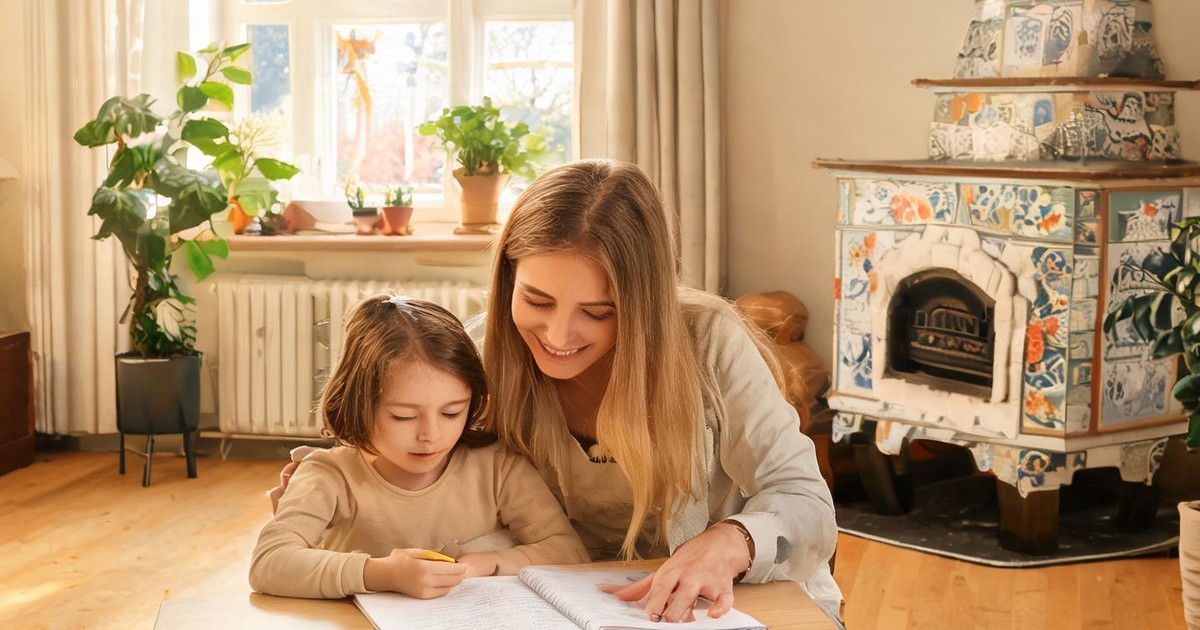
Insurance, Liability and Taxes: What Host Families Often Overlook
Insurance for an au pair in Austria is not a formality. The family must arrange accident and health insurance from day one, even if the au pair holds a tourist policy for the visa. Usually this is ÖGK via Sozialversicherung registration or a private tariff € 70–110 per month with coverage € 30,000+. As oesterreich.gv.at — Au Pair Insurance clarifies, without a valid policy no Aufenthaltstitel will be issued, and a check by the Arbeitsinspektion (labour inspectorate) can lead to a fine. Check whether your Haushaltsversicherung (household insurance) covers theft or damage to the guest’s belongings — standard policies often exclude the au pair’s room and need an add-on.
Tax is simpler: Taschengeld € 555.35 is not considered salary and is exempt from Einkommensteuer (income tax) for the au pair; the family pays no Lohnnebenkosten (payroll taxes). But top-ups above the limit can be treated as income. According to WKO — Tax Info Au Pair 2024, even € 100–200 extra per month may require a Steuerberater (tax advisor). Liability is another gap: the au pair is not liable for children left without a parent, and the family is responsible for a safe environment. Put a Haftung (liability) clause in the contract and do not take a Kaution (deposit) — it is forbidden for au pairs, unlike normal rentals where a Kaution of up to three rents is allowed. This block closes legal risks and can save € 1,000+ in fines.
Frequently Asked Questions
Can we become a host family while renting an apartment?
Yes, if your Mietvertrag allows an additional occupant and the flat is large enough for a separate room. Notify the landlord in writing. For a rented apartment in Vienna check the norms — at least 8 m² per person in the au pair’s room, window and heating mandatory. Without a private room the visa will be refused.
How many hours may an au pair work in Austria?
Maximum 18 hours per week, up to 4 hours per day of light child-related housework. Night shifts, heavy cleaning and adult care are excluded. The au pair gets 1.5 days off per week and 2 free days per month. Overtime is a breach of contract.
Which residence permit does an au pair from Russia or Ukraine need?
A “Au Pair” Aufenthaltstitel for third countries, applied for before entry via the Austrian embassy with contract, insurance and language course proof. Duration 6–12 months, no extension in same status. Afterwards you can switch to a student or work permit if you apply before expiry. EU citizens need only an Anmeldebescheinigung.
How much does hosting an au pair cost per month?
Direct costs are € 750–900: Taschengeld € 555.35, 50% course € 30–70, transport € 30–60, insurance € 70–110 plus food and utilities. Board and lodging are at the family’s expense. Compared with a nanny (€ 1,800–2,200 for 30 hours), an au pair is cheaper but help is limited.
What to Remember Before You Open the Door
A host family and au pair in Austria is an exchange: you give home, food and family, the au pair gives help, language and a fresh culture. The essentials are a private room, full board, Taschengeld € 555.35, 18 hours of help, a German course and insurance, plus an honest Au-Pair-Vertrag. For third countries the Au Pair Aufenthaltstitel before entry and the Meldezettel within 3 days are critical. If someone wants to stay longer, plan the status change 4 months ahead.
Starter checklist:
- Room ready, contract signed, insurance chosen
- Visa / Aufenthaltstitel applied 3 months ahead, Meldezettel within 3 days
- German course booked, transport pass and Taschengeld set up
- Wochenplan on the fridge, house rules discussed
- Landlord notified, budget € 800–900/month set
Open the fridge, leave a place at the table — and welcome someone who becomes part of your Austrian story. For more practical guides without bureaucratic fog, subscribe to our newsletter — we unpack Austria residence permits, housing and everyday life.
Stay Up to Date with the Latest Austrian News
The week's top stories — news, guides, and insights about life in Austria. Every Sunday in your inbox.