Leonore Gewessler: Austria's Green Stance Has Certainly Changed
Leonore Gewessler: Austria's Green Stance Has Certainly Changed Leonore Gewessler in a Die Presse interview: Ceuta migration, neutrality and NATO, wealth tax, heat and Kickl. Why the green stance on neutrality changed and Topics: News, Politics.
Leader of Austria’s Greens Leonore Gewessler has given a major interview to Die Presse covering five hot topics at once: the border storm in Ceuta, military service reform, neutrality and a possible NATO path, a wealth tax, and the heatwave debate around air conditioning. The headline line is about Austria’s green stance on neutrality having certainly changed: peace, Gewessler argues, must also be defended. Here is what the party leader actually said, how it affects coalition talks on energy and military service, and why her words matter in 2026.
What Gewessler said about migration and the Ceuta border storm
Gewessler admitted that footage from the Spanish enclave of Ceuta filled her with concern. Her principle on asylum and migration rests on two pillars — humanity and order. Order, she said, means Europe must not be put under pressure within 24 hours by smugglers or the influence of other states.
She also pointed to reports that Russia played a role in the disinformation that drew people to the border: “That should worry everyone.” At the same time, she believes Europe has not failed to protect its borders — most migrants returned to Morocco within a day after realising they had been lied to on social media. In Gewessler’s view, only right-wing extremists profit from disorder, so controlling who enters the EU is necessary.
We need control over who comes to Europe. Because it is only the right-wing extremists who profit from disorder.
— Leonore Gewessler, leader of the Austrian Greens
Military service reform: the Greens will not just say “yes and amen”
The second block of the interview was the military service (Wehrdienst) reform. The government spent half a year on the “8 plus 2” formula, promised a referendum, and finally produced a compromise in which, in Gewessler’s words, “the government decided it is smarter than the experts.”
The Greens demand negotiations with the government and are waiting for a draft bill that does not exist yet. “If the expectation is that the Greens simply say ‘yes and amen’, that will not happen,” she said. She reminded that a young man entering service in January 2027 deserves clarity — and there is none yet. This topic ties into the wider political processes of 2026, which we summarised in our overview of August changes.
Neutrality and NATO: the green stance has certainly changed
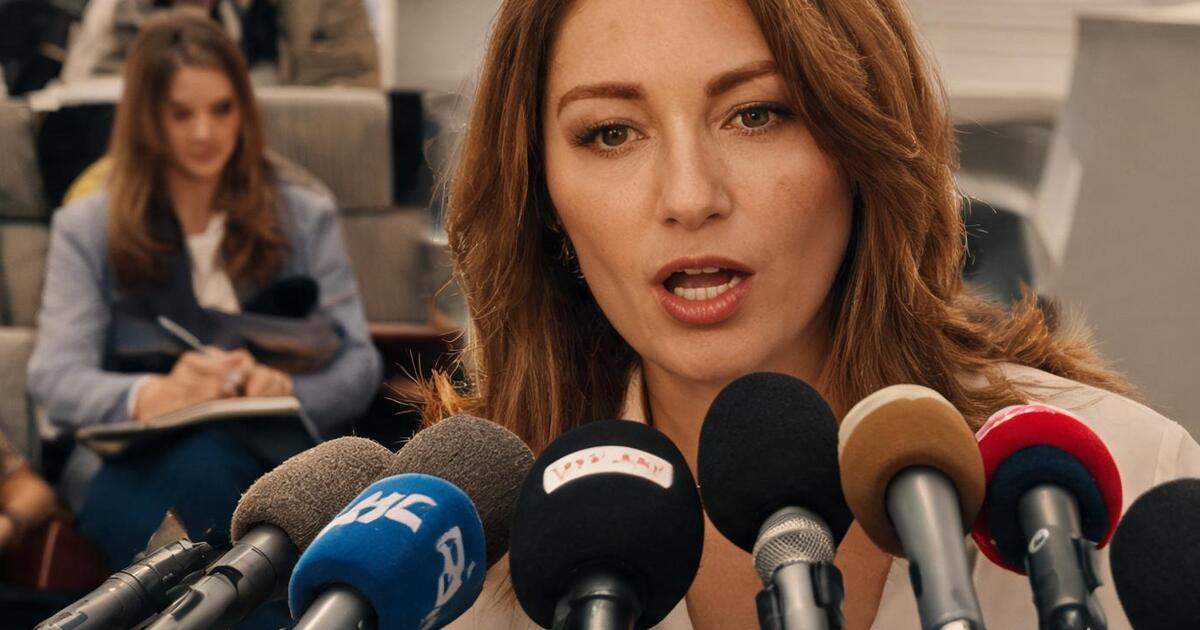
The loudest passage of the interview was about neutrality. Gewessler confirmed that the Greens’ stance on neutrality has certainly changed: “The change is that peace must also be defended.” The party remains a peace party, but neutrality must not be a shield.
She sharply criticised the “pseudo-patriots” of the FPÖ, who in her words are courting Russia. Austria, she stressed, is not an island of the blessed and must contribute to peace — instead of hiding behind neutrality.
The wealth tax and the Greens’ “left course”
Asked about the “eat the rich” course of some European Green parties, Gewessler was evasive but effectively embraced the agenda. She reminded that the Greens were the only party last year demanding the budget be consolidated at the expense of the super-rich, not the poor.
She also listed grievances against the government on women’s policy: from an economy minister calling women “too lazy” for working part-time to a chancellor saying raising children is not work. According to Gewessler, the Greens are the only ones “watching women’s backs”.
Heat, air conditioning and water: climate without ideology
Gewessler admitted she has no air conditioning at home — “it is very hot for me too right now”. But she defended air conditioners against those who call them a “right-wing symbol” of a polarised climate debate: in hospitals and care homes at 40 degrees, cooling is simply necessary.
She also criticised the government over the water crisis: farmers are forced to slaughter livestock because feed is not growing, while the water extraction register (Wasserentnahmeregister) has been announced five times by the environment minister. “Our legislation is like 70 years ago,” she concluded. The country’s economy is under pressure anyway — read more about the pension and work debates in our article on working longer.
Kickl, coffee and the ORF summer interviews
Asked whether she goes for coffee with FPÖ leader Herbert Kickl, Gewessler answered briefly: there is no personal exchange and she does not know what she would discuss with him — “but I greet all people.” She again accused the FPÖ of wanting “things to go badly for people” and mentioned Identitarians working as parliamentary staffers.
On Monday, 10 August, Gewessler will open the ORF Sommergespräche season — the interview with Simone Stribl airs at 21:00 on ORF 2. It will be the annual exam for the Green leader, who took over the party exactly one year after Werner Kogler.
What’s next: energy and a possible “flying change”
In the interview, Gewessler confirmed the Greens’ readiness to discuss energy laws without a blocking minority in exchange for federal competences in spatial planning — Austria, she says, needs 100 new wind turbines per year.
She also answered a question about a possible exit of the NEOS from the coalition: if the liberals leave, ÖVP and SPÖ would still have a majority, and if the government collapses there would be new elections. Analysts are already wondering whether the party can hold its position after leaving government — see our digest of August changes for the full political calendar.
Frequently Asked Questions
What exactly did Gewessler say about Austria’s neutrality?
Gewessler said the green stance on neutrality has certainly changed: peace must also be defended, and neutrality must not be a shield. The party remains a peace party, but Austria should contribute to peace rather than court Russia like the FPÖ.
Will the Greens compromise on military service reform?
Not without negotiations — Gewessler demands a draft bill and talks with the government. The “8 plus 2” formula and the lack of expert involvement are unacceptable to her: “If the expectation is that the Greens say ‘yes and amen’, that will not happen.”
What did Gewessler say about air conditioning and the heat?
She has no air conditioning at home herself, but defends its necessity: cooling is critical in hospitals at 40 degrees. She also criticised the government over the unresolved water crisis and the delayed water extraction register.
When will Gewessler appear on ORF Sommergespräche?
On Monday, 10 August 2026, at 21:00 on ORF 2. The interview with Simone Stribl will be the first of the season and the annual exam for the Green leader.
Bottom line: what this interview means for Austrian politics
Gewessler’s interview with Die Presse sets the agenda for August: the Greens are ready to discuss neutrality, demand negotiations on military service, and position themselves as the only “honest” opposition. The key takeaway — the green stance on security has changed — will be central to the ORF Sommergespräche.
For expats and Russian-speaking readers following Austria, this is a signal: the country’s political landscape is actively reshaping, and decisions on neutrality, service and climate will affect every resident. Stay updated — subscribe to our newsletter for regular breakdowns of Austria’s key events.
Stay Up to Date with the Latest Austrian News
The week's top stories — news, guides, and insights about life in Austria. Every Sunday in your inbox.