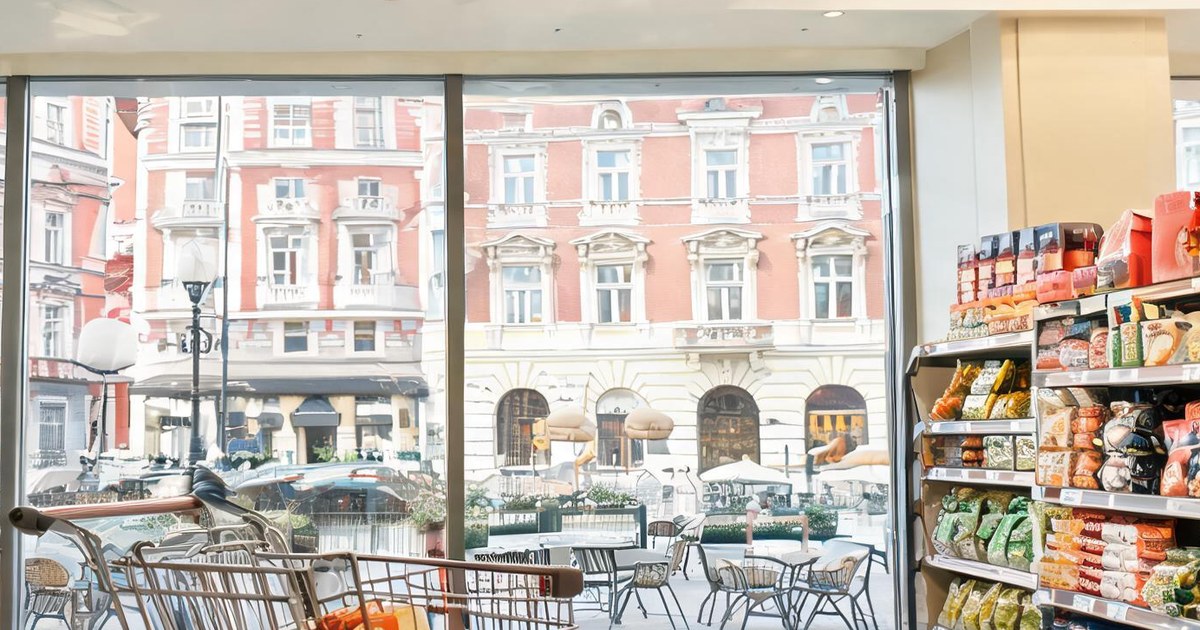
Deceptive Packaging in Austria: Fines Up to €15,000 as States Crack Down
Deceptive Packaging in Austria: Fines Up to €15,000 as States Crack Down Deceptive packaging in Austria: state task forces now enforce shrinkflation labelling with fines up to €15,000. Who must label, who is exempt, and how it works. Topics: News, Economy.
Since 1 April 2026, Austria’s Anti-Mogelpackungs-Gesetz (anti-deceptive-packaging law) has required supermarkets to warn shoppers when a familiar package holds less product while the price per kilo or litre has gone up. Now the federal states are moving from paper to practice: according to Krone, a joint task force of the Bundesländer has started targeted inspections in retail chains. Violations can cost up to €15,000. Here is what shrinkflation labelling means for shoppers and which stores are affected.
Austrian states launch task force against deceptive packaging
Austria’s nine federal states have pooled their resources to fight deceptive packaging in food retail. As Krone reported on 7 October 2026, the Länder task force is now specifically hunting cases where the packaging looks unchanged but the contents have visibly shrunk.
The goal is transparency on the shelf: the warning should be visible before the product lands in your cart. Inspections are carried out by the district administrative authorities (Bezirksverwaltungsbehörden) with trained staff, as the Austrian Economic Chambers (WKO) explain.
It continues a broader campaign: during “Aktion Scharf”, market inspectors recorded around 500 violations related to prices and promotions between January and October 2025 alone — 200 of them in a single month, according to Kontrast.
What shrinkflation and “Mogelpackung” mean
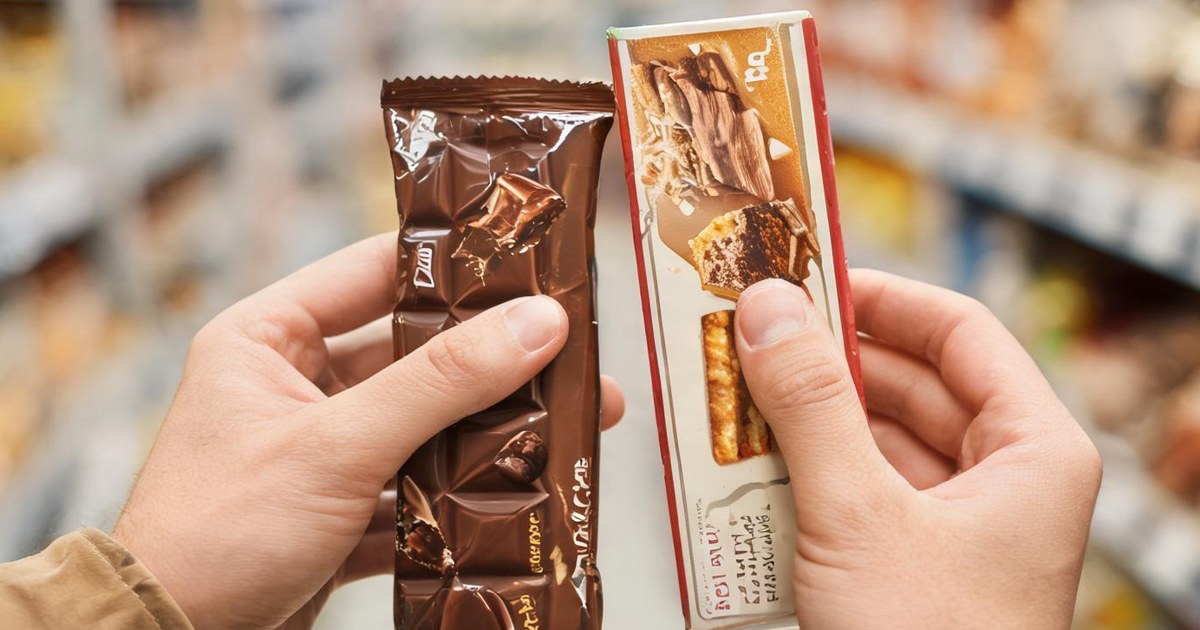
Shrinkflation — from “shrink” and “inflation” — is when a producer cuts the fill quantity while keeping the packaging and shelf price roughly the same. A chip bag suddenly weighs half as much; a pasta pack holds 400 instead of 500 grams. You pay the same at the checkout, but the kilo price quietly rises. Austria’s Chamber of Labour (Arbeiterkammer) calls it “quiet rip-off”.
This is hidden inflation: same money, less product. In German the trick is called a Mogelpackung — a literally “deceiving package”. Before 2026, the law only required the Grundpreis (base price per kilo or litre) on the shelf label — in small print most shoppers never read.
When retailers must display the warning
Under the official summary on oesterreich.gv.at and WKO guidance, labelling is mandatory only when all of these apply:
- the fill quantity was reduced;
- the packaging still looks the same;
- the price per unit of weight or volume has risen;
- the increase is at least 3%;
- the product is pre-packaged.
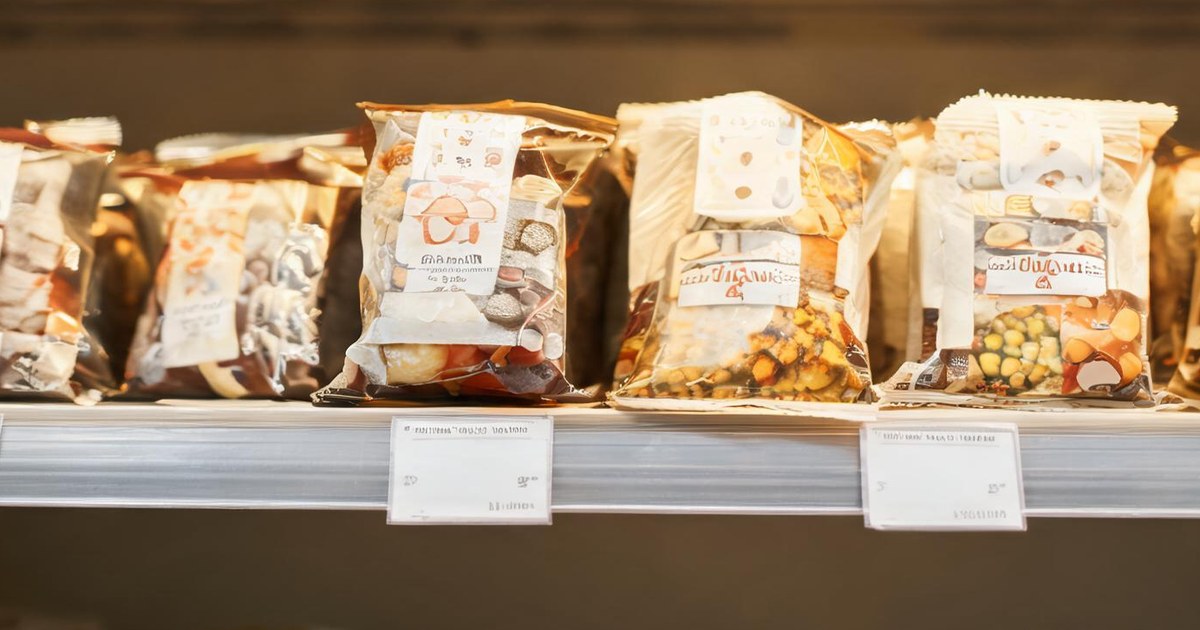
The notice must stay up for 60 days from the moment the product first appears in a given store. Chains with more than five branches place it on the product, on the shelf, or directly next to it. Businesses with at most five branches but over 400 m² of sales floor post an information sign at the entrance, at least DIN A1 in size. The law itself suggests the wording: “Achtung: Weniger Inhalt – höherer Preis” (“Warning: less content – higher price”).
Who is covered and who is exempt
The law applies to stationary food and drugstore retail with a sales area over 400 m² or more than five branches. Small neighbourhood shops below both thresholds do not have to label shrinkflation.
Also exempt:
- price increases under 3%;
- a reduction already stated clearly on the packaging;
- distance selling (online) or sales outside business premises;
- natural weight fluctuations such as fruit and vegetables.
The full act was published as Federal Law Gazette BGBl. I Nr. 9/2026 and expires on 30 June 2030.
Fines up to €15,000 and how they are imposed
The penalty scale is tiered. A first violation costs up to €2,500 per unlabelled product type, capped at €10,000. A repeat violation costs up to €3,750 per product and a maximum of €15,000. Several missing labels add up.
The procedure is milder than the fine schedule: the authority first orders the shop to fix the problem — normally within three working days. Fix it on time and the fine can be avoided. A retailer is also not at fault if it can prove the manufacturer or importer never informed it about the smaller fill: transmitting the EAN or GTIN already counts as information.

Austria in the EU comparison
Austrian fines sit in the middle by EU standards. Germany allows up to €25,000 per violation, France up to €15,000, and Hungary fines large companies revenue-based — up to 2.5% of annual turnover, as Kontrast notes. Austria’s act raised the previous cap for misleading promotions — it was a mere €1,450 — many times over.
The fines for retail chains — even for repeat offences — are so low it would be like paying 50 cents for speeding. That deters nobody, and we are changing that.
— Julia Herr, SPÖ deputy parliamentary group chair
With the states now moving from legislation to active inspections, chains finally have a concrete reason to audit their shelves. For shoppers, it is a first chance to see honest warnings in the aisle — and, next time you shop, to compare not just the price but the price per kilo.
Frequently Asked Questions
When did the shrinkflation labelling law take effect? On 1 April 2026. It was published on 24 March 2026 and remains in force until 30 June 2030.
What does the warning sign say? The law gives this example: “Achtung: Weniger Inhalt – höherer Preis” — “Warning: less content – higher price”.
Do small corner shops have to label products? No. Businesses with at most 400 m² of sales space and no more than five branches are exempt.
Where can I report a missing warning? To the district administrative authority (Bezirksverwaltungsbehörde) where the shop is located — it enforces the law.
Deceptive packaging in Austria can no longer hide behind the old price: states are inspecting now, and fines up to €15,000 are a serious incentive. Stay on top of Austrian price and legal changes — subscribe to our newsletter and read our explainer on the parcel tax Paketsteuer.
Stay Up to Date with the Latest Austrian News
The week's top stories — news, guides, and insights about life in Austria. Every Sunday in your inbox.