Austrian Potato Harvest 2026: Why Yields Collapsed and What It Means for Prices
Austrian Potato Harvest 2026: Why Yields Collapsed and What It Means for Prices Austrian potato harvest 2026 fell 40% to 468,000 tonnes. Drought, heat and wireworm hit Erdäpfel hard — what it means for supermarket prices and shoppers. Topics: News, Food & Shopping, Economy.
Austrian potato harvest 2026 has collapsed to 468,000 tonnes — 40 % less than a year earlier. Drought since June, record heat up to +40 °C and an outbreak of Drahtwurm (wireworm) wiped out millions of tonnes of Erdäpfel (potatoes). This article explains why potatoes suffered more than other crops, how supermarket prices will move, and what shoppers should do in a season of scarcity.
How much did the Austrian potato harvest shrink in 2026?
The 2026 Austrian potato harvest is estimated at 468,000 tonnes — less than half of the 813,300 tonnes reaped in 2025. That is the estimate from Austria’s Landwirtschaftskammer (Agricultural Chamber), reported by gast.at on 5 October 2026. A normal harvest year in Austria produces around 700,000 tonnes, which makes 2026 one of the worst seasons in decades.
For context: Statistik Austria recorded 520,000 tonnes in 2024 — –22 % versus the five-year average. Drought was already biting then; 2026 hit harder. According to AMA (AgrarMarkt Austria), the national potato area shrank by roughly 10 % year on year as farmers cut risky plantings in advance.
The picture across Europe is similar. World Potato Markets estimates that the European processing-potato supply fell below 40 million tonnes for the first time — down about 15 million tonnes from the previous year, as borncity.com reports. Areas are also shrinking in Belgium, the Netherlands, Germany and France.
Why did potatoes suffer more than other crops?
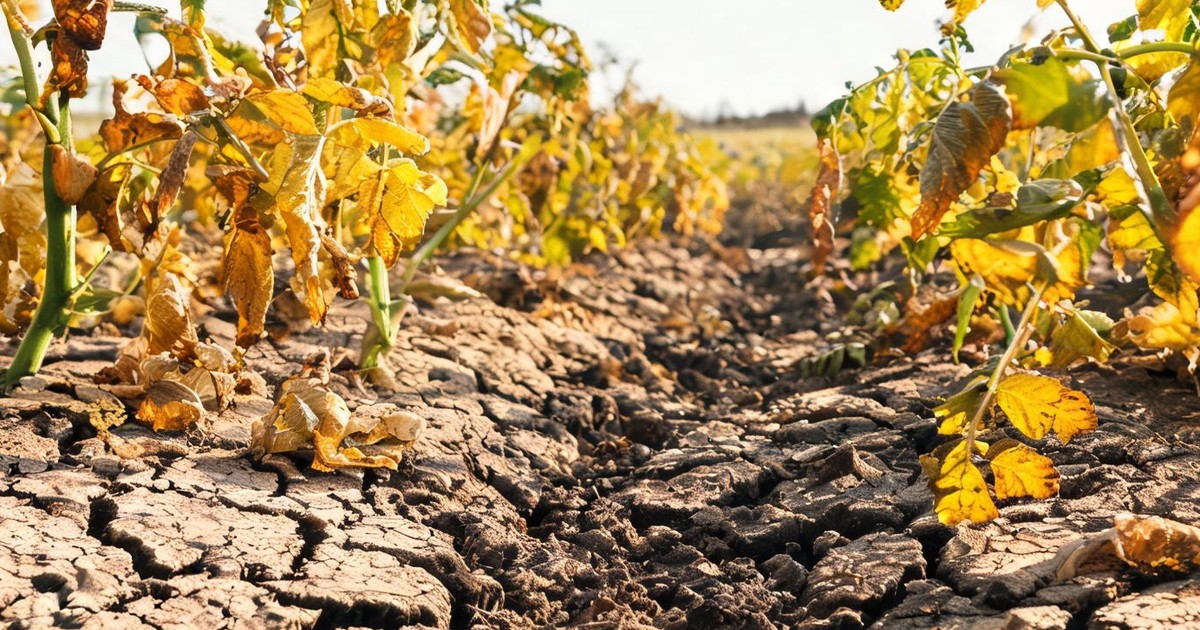
The main cause is the exceptionally dry and hot weather from June onwards. Temperatures climbed to +40 °C while rainfall all but stopped. On non-irrigated land in eastern Austria — Marchfeld and Weinviertel — potatoes yielded only a third to a half of a normal crop, as fruchtportal.de cites AMA. Irrigated farms did better, but the Lower Austrian Agricultural Chamber still warns of “further deterioration” in yield outlooks.
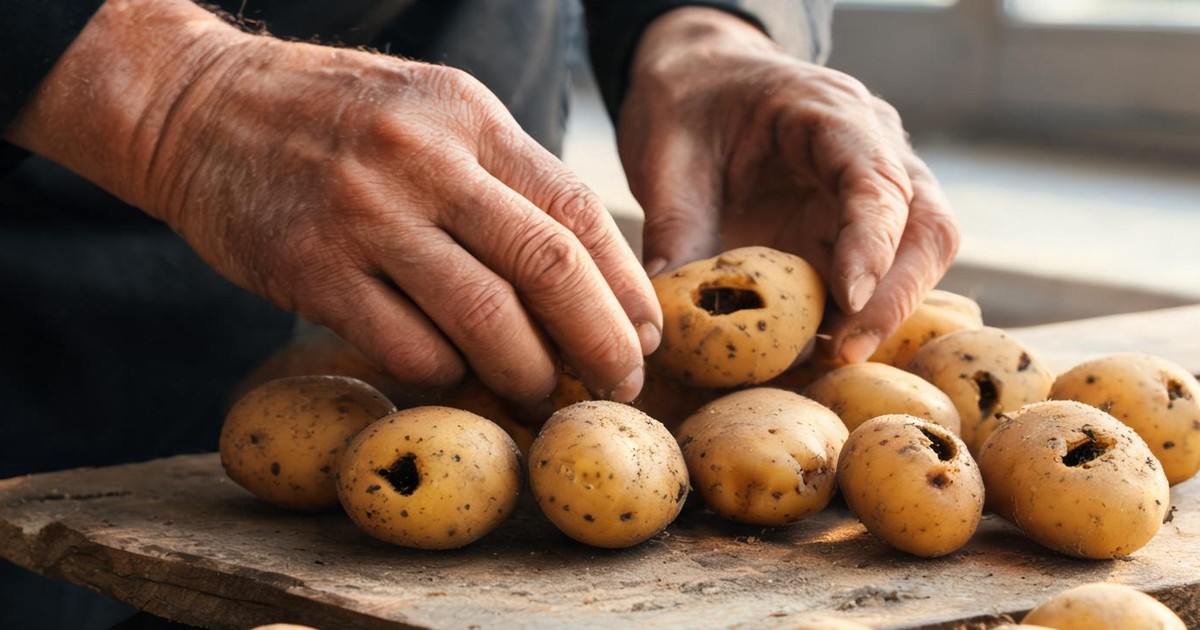
The second blow came from Drahtwurm (wireworm, the larva of the click beetle). Dry soil created ideal conditions for the pest. Damaged Knollen (tubers) must be culled: even the surviving harvest yields less marketable product after washing and sorting. As AMA notes, dry soil accelerates wireworm spread and raises the risk of mechanical tuber damage during harvest.
The record 2026 drought has already cost Austrian agriculture €1 billion, according to Hagelversicherung (Austrian hail insurance) — we covered that in our article on drought aid for farmers. Potatoes and soybeans contracted by 50–70 % — among the hardest-hit crops in the country.
What is happening with growing areas and farmers?
Farmers are not waiting for next season. A survey by the InteressenGemeinschaft Erdäpfelbau (potato growers’ association) found that 40 % of operations plan to cut potato areas further if better wireworm solutions do not emerge. Another 11 % say they will stop growing potatoes entirely. This is an industry poll, not a representative Statistik Austria survey — but the trend is clear.
Area reduction is a long-run pattern: according to BOKU Vienna, Austria’s potato area fell from 22,000 ha (2010) to 18,500 ha (2024). The university projects that, without expanded irrigation, national self-sufficiency in potatoes could drop from 78 % to 55 % by 2045. Imports from cooler regions will fill the gap — at a higher carbon cost.
The sector also warns against rushing to imports while Austrian stock lasts. The Agricultural Chamber and IGE urge shoppers to accept smaller tubers too — optical sorting becomes an extra problem in a scarce year. For kitchens that peel, cut, mash or turn potatoes into Knödel, commercial size norms matter less than in retail.
A potato field in Lower Austria, autumn 2026: instead of hectares of golden tubers, dry soil and stiff stalks. Drought and wireworm left farmers with half their harvest — and the market without its usual abundance.
— Report from an agricultural fair in Marchfeld
How will supermarket prices be affected?
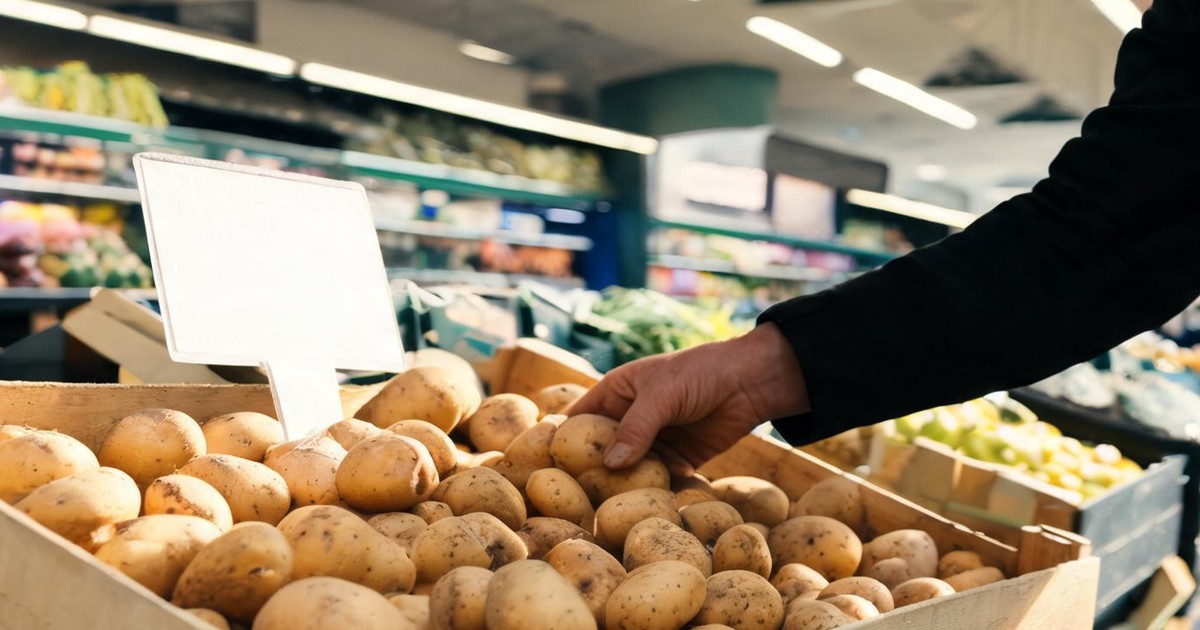
The season opened with a price slump: in June 2026, AMA wholesale prices for early potatoes averaged €0.57 per kg — 25 % below the previous year. The reason was an early-potato glut and weak summer demand during heatwaves and holidays. But with the main harvest under way, the market is reversing.
AMA expects the tighter supply of the main crop and the 10 % cut in Austrian areas (plus a similar trend across the EU) to push prices firmer in the second half of the season. How much potatoes will actually rise is still unclear — it depends on how much marketable stock can be put into storage after sorting.
The long-term outlook is sobering. Potatoes from Waldviertel currently sell for about €1.80 per kg; by 2035 they may cost 35–50 % more, according to a WIFO agricultural forecast. Austria already imports 47 % of calories and 68 % of fruit and vegetables, the BML supply balance 2023 shows. We explored how drought is reshaping the national diet in our piece on the future of food in Austria.
What shoppers can do and what the state is offering
Right now the advice is don’t panic — do plan. Buy seasonal Austrian potatoes while they last; stock up in autumn — properly stored potatoes keep for up to 6 months in a cool, dark place; and don’t reject “imperfect” tubers if you cook them into mash, soups or dumplings.
The state has already reacted. The EU agricultural reserve has mobilised €540 million, of which about €8.2 million is earmarked for Austrian farms, borncity.com reports. Italy, for example, has allocated €136 million via decree to compensate half of rising fertiliser costs for more than 547,000 farmers. In Austria, aid negotiations remain fraught — we unpacked that in our article on blocked drought payments.
The climate drivers of the potato shortage will not vanish in one season. As our review of heat and weather extremes shows, Austria is warming at twice the global average. Adaptation — expanded irrigation, drought-tolerant varieties, precision farming — will take years and investment. Until then, “less potato” in Austria means “pricier potato.”
Takeaways: what to expect from the market
The 2026 Austrian potato harvest is among the worst in a decade: 468,000 tonnes versus 813,300 a year earlier. Drought, heat up to +40 °C and wireworm hit tubers nationwide, and 40 % of farms are ready to cut plantings further. Prices will firm in the second half of the season, and the long-run trend points toward higher costs and import dependence.
- Shoppers: buy Austrian potatoes in season, store a supply, don’t chase perfect tuber size.
- Restaurants and HoReCa: revisit size norms — for boiling and mash, flavour matters more than calibre.
- Everyone: watch prices — autumn and winter will reveal how deep the shortage really is.
The season’s main lesson is simple: climate is already rewriting Austria’s plate. Subscribe to our newsletter so you never miss these explainers, and read our piece on drought and the future of food for the bigger picture.
Stay Up to Date with the Latest Austrian News
The week's top stories — news, guides, and insights about life in Austria. Every Sunday in your inbox.