Senior driving test in Austria: voluntary Fahr-Fitness-Check by ÖAMTC
Senior driving test in Austria: voluntary Fahr-Fitness-Check by ÖAMTC Senior driving test in Austria: how the voluntary Fahr-Fitness-Check works, what it costs and if older drivers need it today. A check, no licence risk. Topics: News, Transport.
Older drivers in Austria can voluntarily check their driving skills — without an exam, without a grade and without risking their licence. The programme is called the Fahr-Fitness-Check (driving-fitness check): Austria’s automobile club ÖAMTC runs it together with selected driving schools since 2024. You stay behind the wheel of your own car, a professional instructor sits beside you, and after the drive you get detailed feedback. The result is never passed to the licensing authority (Führerscheinbehörde) — the check is fully voluntary and confidential. Here is how to book it, what it costs and what the accident statistics for older drivers actually say.
What the Fahr-Fitness-Check is and why it exists
The Fahr-Fitness-Check is a practical drive with a driving-school instructor during which your personal driving style in everyday traffic is assessed. It targets older people who still drive regularly, as well as infrequent drivers and those returning to the wheel after a break. According to ORF, ÖAMTC has run the programme with partner driving schools since 2024, and roughly 160 people complete it each year across Austria.
Why is such a check needed at all? Austria has no mandatory medical examinations for older drivers: the rules are age-neutral, and you renew your licence without health certificates. The first and only medical check happens at 18, when you obtain the licence; no health records are required at the standard renewal every 15 years either. The Fahr-Fitness-Check lets you find out for yourself that your skills are fine — long before any problem shows up.
Early results are encouraging: ÖAMTC reports that around 80% of participants receive a very good assessment of their driving from the instructor. For the rest, the instructor explains what to watch and gives personalised recommendations.
How the driving skills check works
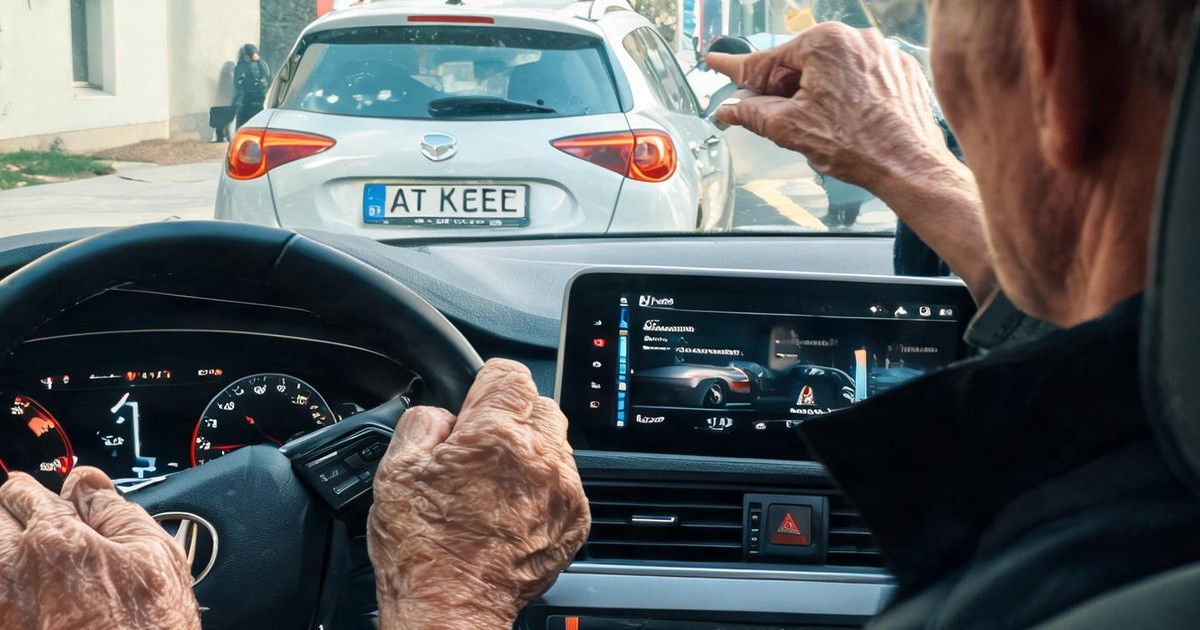
The check takes about 90 minutes and has three stages. First, a preliminary talk: together with the instructor you pick a route through familiar streets. Then the drive: you get behind the wheel of your own car, while the instructor in the passenger seat observes your manoeuvres, your reactions to traffic and how you use driver-assistance systems. The drive takes place in your normal environment — no examiner, no test to pass.
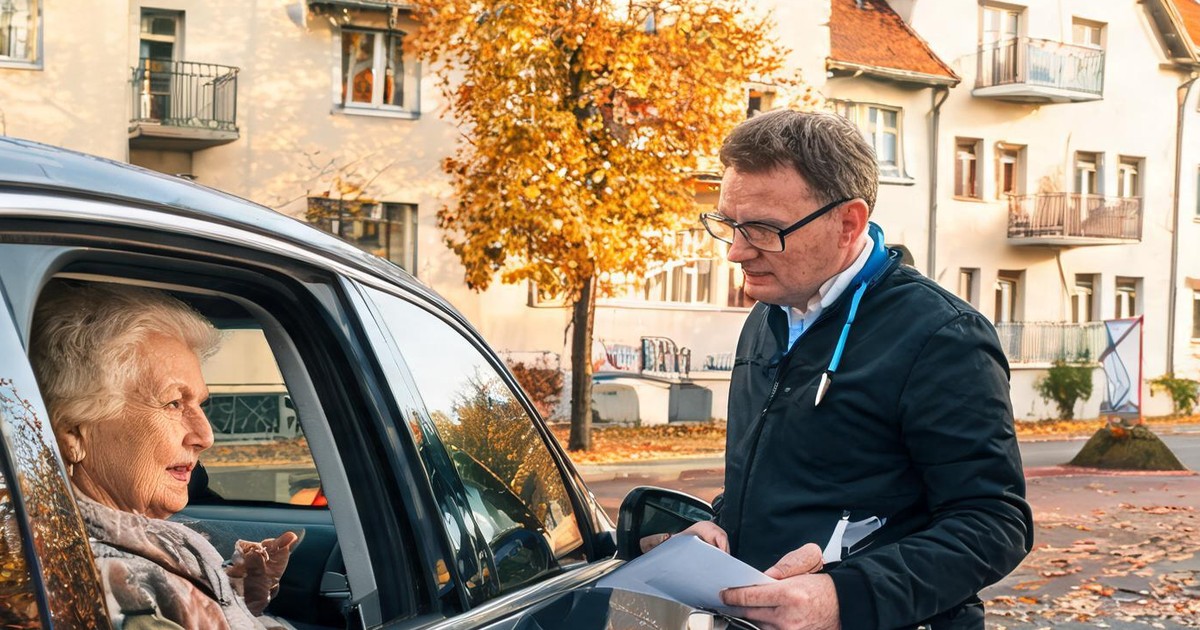
The final stage is a joint debrief. The instructor explains in detail what went well and what to work on, and hands you a Teilnahmeblatt (participation slip) with individual information. Important: it is not a certificate and carries no weight with the licensing authority.
The check is voluntary: the result is not sent to any authority, and the instructor is bound by confidentiality. Everything you learn stays between you and the instructor.
— ÖAMTC, Fahr-Fitness-Check programme
You can book at any age — the programme is open not only to seniors: it suits anyone who has not driven for a while and wants to feel confident again. Booking is exclusively through cooperative driving schools (Kooperations-Fahrschulen); the full list by federal state is on the ÖAMTC website.
What the check costs and how to book
As of 2026, the Fahr-Fitness-Check costs €149 for ÖAMTC members and €179 for everyone else. In Vorarlberg there is a reduced rate: from €88 for members and from €98 for non-members, with a shorter duration of about 50 minutes (one teaching unit). For comparison with the cost of the licence itself, see our article on driving licence costs in Austria.
The booking process is simple: find a cooperative driving school in your town on the ÖAMTC page, call and reserve a slot. There is no separate online booking through the club — available dates are arranged directly with the school. You can ask the instructor to focus on specific situations: night drives, motorways, parking — the emphasis is placed on your real routes.
Older drivers and accidents: what the statistics say
In the debate about “seniors behind the wheel”, absolute numbers and risk per kilometre must be distinguished. As the Kuratorium für Verkehrssicherheit (KFV, Austrian Road Safety Council) told ORF, in absolute terms older people are involved in fewer accidents — largely because they drive less often and shorter distances. Yet measured per kilometre driven, the accident risk for drivers over 80 is clearly higher than for middle-aged drivers. Only beginner drivers under 24 show a comparable elevated risk.
Older drivers often drive more carefully: slower, taking more time and keeping larger gaps. Surveys confirm that this adapted style genuinely reduces risk.
— Kuratorium für Verkehrssicherheit (KFV)
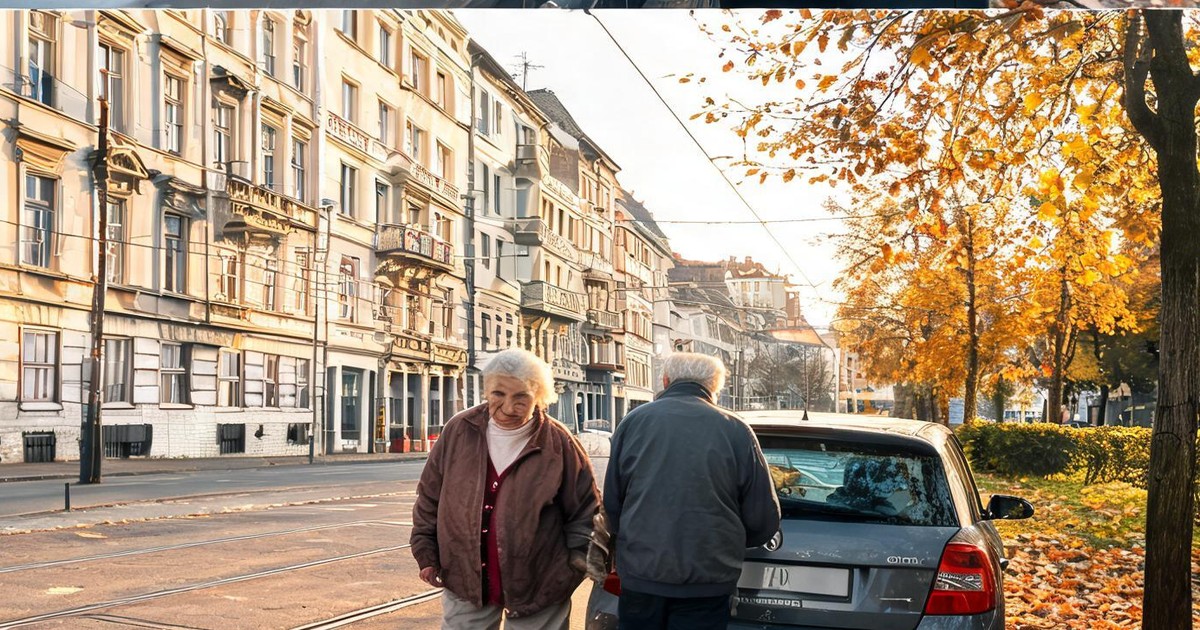
Statistics match lived experience. 87-year-old Hanne Raab from Mödling, one of the participants, told ORF that she drives more carefully and no longer takes long trips, but the car remains her “piece of freedom” — for example, driving her eight-year-old grandson. That is exactly who the Fahr-Fitness-Check was created for: not to take the licence away, but to support drivers like her.
Mandatory tests or voluntary: what the EU proposes
In February 2023 the European Commission published a draft revision of the EU Driving Licence Directive. Among the proposals is a health self-assessment at every licence renewal (currently every 15 years) and a shortened renewal interval of 5 years for drivers over 70. If the self-assessment suggests possible unfitness to drive, a medical examination would follow. Austria does not apply this practice today, and as the WKO (Austrian Economic Chambers) notes, older drivers fear that new rules could lead to mass licence revocations.
As an alternative, the professional association of driving schools within the WKO proposes a Feedbackfahrt (feedback drive): voluntary from age 75, mandatory from 80 — but with the authority informed only that the drive took place, not about the content of the assessment. The idea is to strengthen drivers’ self-awareness without creating a fear of losing the licence. So far this is only a proposal; the current rules have not changed.
The proposal deserves attention against the backdrop of the EU discussion: recent parliamentary debates show that the topic of driving licence renewals in Austria remains open, and no final decisions on age-based restrictions have been made.
Frequently Asked Questions
Can I lose my licence after a Fahr-Fitness-Check? No. The check is voluntary, the result is not shared with any authority, and the instructor is bound by confidentiality. The participation slip is not an official document.
At what age is the check recommended? There is no official age threshold — you can book at any age. The programme is aimed at older drivers, infrequent drivers and those returning to driving.
How much does the driving skills check cost? €149 for ÖAMTC members and €179 for others (in Vorarlberg from €88/€98). Duration is about 90 minutes.
What if the instructor finds weaknesses? You receive individual recommendations: you can take extra lessons at a driving school, practise specific manoeuvres or adjust habits — for example, giving up night driving.
What comes next
The senior driving test in Austria remains voluntary — and the Fahr-Fitness-Check turns that right into a practical tool: 90 minutes with an instructor, honest feedback and zero risk to your licence. If you or your loved ones drive at a mature age, here is a short checklist:
- Book a cooperative driving school from the ÖAMTC list — €149–179, about 90 minutes.
- Come in your own car — they assess exactly your habitual driving style.
- Treat the debrief as coaching, not an exam — the instructor’s recommendations are confidential.
- In doubt, start with renewing the licence: in Austria it is simple and requires no medical certificate, details in our article on driving licences in Austria.
The main rule: the Austrian system does not punish age — it gives you the option to take care of your safety yourself. Subscribe to our newsletter so you never miss important news about life and laws in Austria.
Stay Up to Date with the Latest Austrian News
The week's top stories — news, guides, and insights about life in Austria. Every Sunday in your inbox.