Low Danube Water Level: How It Harms Austria’s Economy
Low Danube Water Level: How It Harms Austria’s Economy Low Danube water level harms Austria’s economy: Voestalpine shifts freight to rail, shipping companies demand a state-subsidised low-water insurance policy. Topics: News, Economy, Transport.
The Danube is Austria’s most important waterway for heavy freight — yet the low Danube water level this summer is forcing industry to take expensive detours. At several gauging stations along the river, water levels are roughly 50 centimetres below the so-called regulatory low-water mark, a key reference value for shipping. The causes: too little snowmelt in winter, scarce rainfall since the start of the year, and high summer temperatures driving evaporation. Steel giant Voestalpine has already announced it is shifting its freight flows from the Danube to rail. In this article, we explain why the river has fallen so low, which sectors the low Danube water level hits hardest, what shipping companies and the Chamber of Commerce are demanding — and why the Rhine serves as a warning.
Why the Danube water level is so low
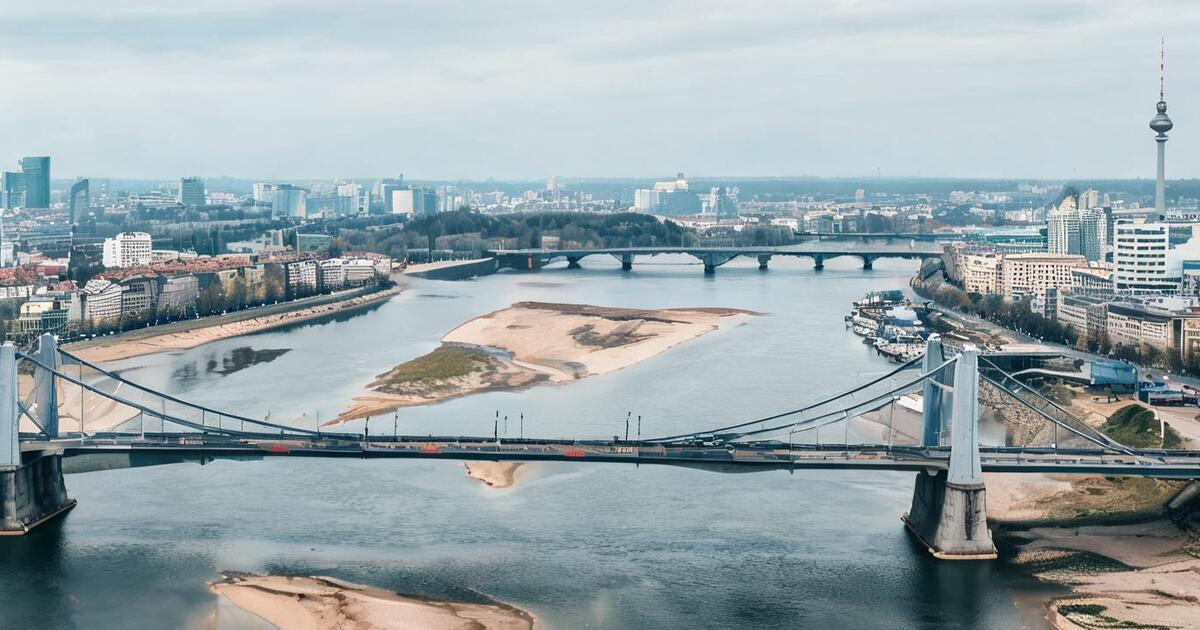
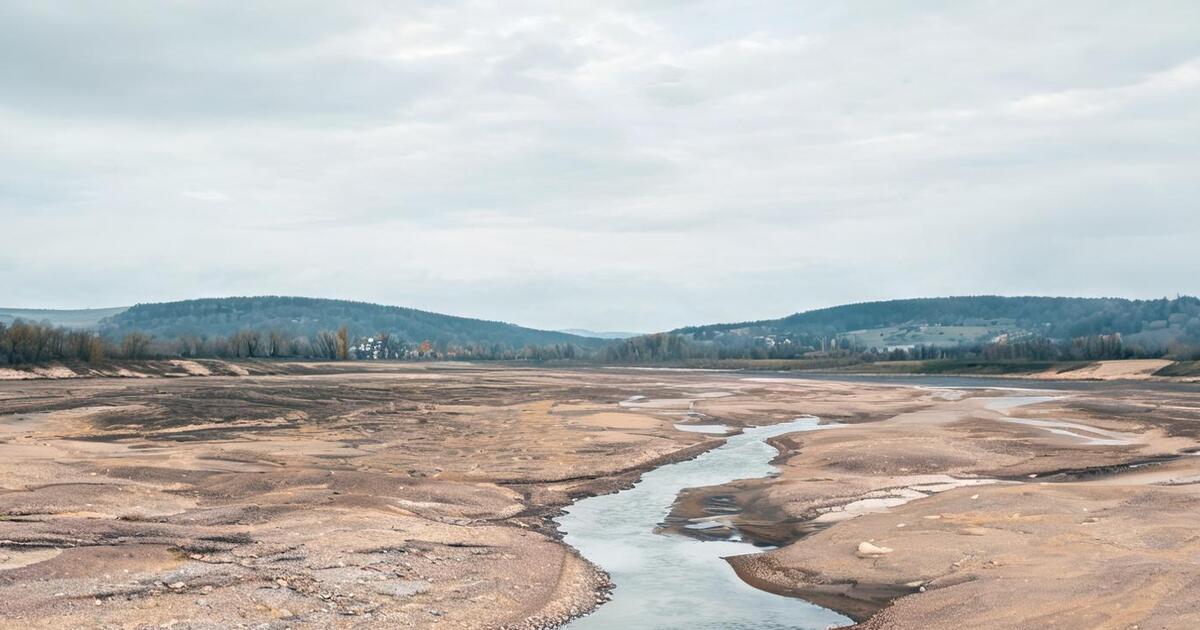
The low Danube water level is the result of a toxic mix of three factors. Winter produced too little water from snowmelt, rainfall has been scarce since the start of the year, and persistently high summer temperatures increase evaporation. The record heat of this summer is already changing everyday life across the country, as we showed in our article on heat and its consequences. As Die Presse reports, water levels at several gauging stations along the river are around 50 centimetres below the regulatory low-water mark — an important reference value for shipping.
There is no official closure of the Danube, according to waterway operator Viadonau. Shipping companies and captains decide themselves whether their vessels can sail. But the situation poses serious logistical challenges: those who cannot sail must switch to rail or road — and that is expensive.
Six million tonnes of freight: the Danube as an economic artery
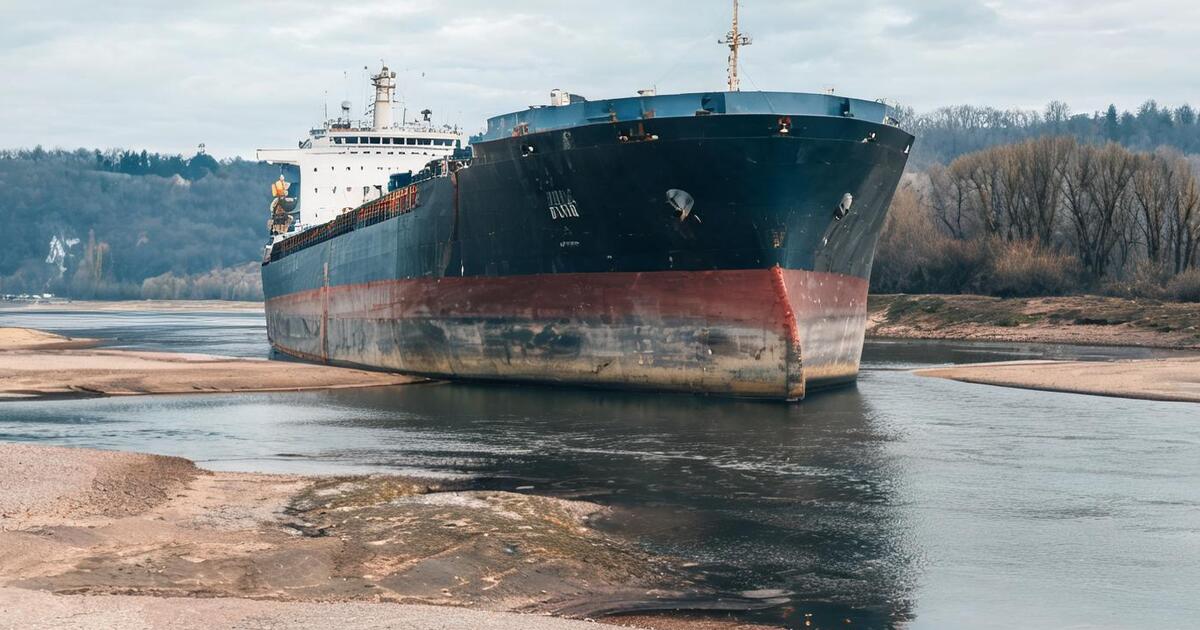
For Austrian industry, the Danube is a vital transport route. Last year, around six million tonnes of goods were shipped along it. Roughly 2.4 million tonnes were exported from Austria, and about the same volume arrived as imports. Near Bad Deutsch-Altenburg in particular, sandbanks are now visible in places because of the low water levels.
A single cargo vessel carries the equivalent of 90 railway wagons or 150 lorries. Water transport is especially practical for heavy and oversized goods that can only be moved on motorways in limited volumes. This includes wind turbine components, vehicles, agricultural goods and mineral oil products. When the Danube fails, the logistics of all these sectors must be completely reorganised.
Voestalpine shifts freight flows to rail
Steel giant Voestalpine announced last week that it is shifting its freight flows from the Danube to rail. CEO Herbert Eibensteiner stressed that this involves only a small share of the goods handled and that no additional costs would arise. At the same time, he warned of the consequences of prolonged drought: “But in September it will have to rain for the Danube to become navigable again.”
For Voestalpine, the Danube is an important route for receiving iron ore and coke and shipping out steel products. The switch to rail is possible for the company because it has its own rail sidings — a luxury many other businesses cannot afford. Those without a rail connection must switch to lorries or wait for the river to become navigable again.
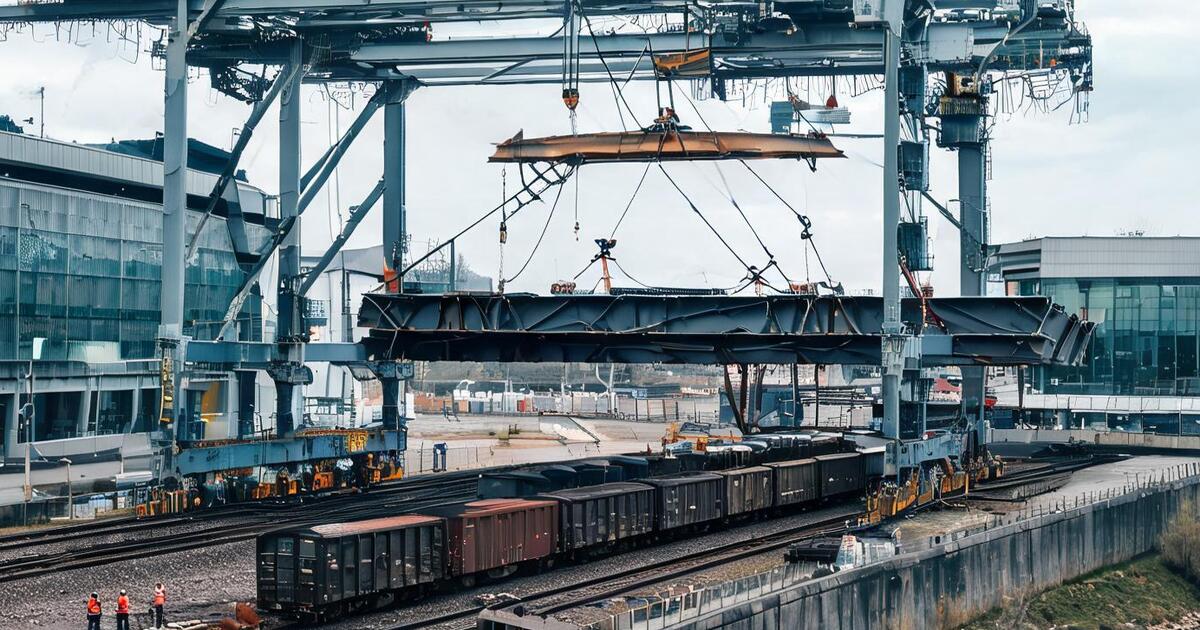
One ship replaces 150 lorries: why diversions are costly
Switching to other modes of transport is not always that simple, says Helmut Habersack, head of the Institute of Hydraulic Engineering and River Research at the University of Natural Resources and Life Sciences (BOKU) in Vienna. “Switching to rail or lorries increases demand in that sector, which raises costs. Delays also occur, causing congestion and requiring storage capacity,” Habersack told Die Presse.
The greatest economic damage, however, is borne by shipping companies, says Alexander Klacska, head of the transport and logistics division at the Austrian Chamber of Commerce (WKO). For them, he calls for better financial protection in the form of a state-subsidised low-water insurance scheme, similar to the hail insurance used in agriculture. Without such protection, shipping companies carry the full economic risk of a failing transport route — and in a year when drought has already caused one billion euros in damage to agriculture.
Shipping companies demand low-water insurance
“For most of the year, the Danube is a reliable transport route,” says Klacska. Back in 2007, around ten million tonnes of goods were shipped along the river; since then, volumes have been declining. “We need to regain trust in the Danube. Shipping is an ecological mode of transport that can be made CO2-neutral.”
The best remedy against low water would be substantial rainfall. “We are waiting and hoping for rain,” says Klacska. Lower temperatures could at least slow down evaporation, according to Helmut Habersack. How costly the low Danube water level will be for the Austrian economy overall depends on the weather in the coming months. For comparison: water levels are also falling in many Austrian lakes, and the low water has even exposed historic Nazi relics along the Danube.
European-wide management instead of local stopgaps
With better cross-border management, more material could be moved even at low water levels. When siltation occurs in other countries, for example, dredging work would have to be carried out faster. “The quality here is not equally good in all Danube riparian states. European-wide management could keep the fairway clearer and ensure transport safety,” says Habersack.
The Danube flows through ten countries, and every riparian state operates its stretch differently. While Austria, with Viadonau, has an efficient waterway operator, dredging work elsewhere often drags on for weeks. Coordinated European management could keep the fairway navigable even during low water — and thereby reduce the economic costs caused by the low Danube water level.
The Rhine as a warning: the economic risks of low water
Far bigger economic problems than the Danube’s low water are caused by the low level of the Rhine. As the central artery of German freight transport, almost 100 million tonnes of goods were moved along the river in 2025. Several federal states have therefore suspended the Sunday driving ban for lorries on motorways to create alternative capacity for affected companies — a drastic step that shows how quickly a failing waterway overloads roads and rail.
Austria can learn from this experience. If the drought continues and Danube shipping is restricted, the strain on rail grows — and the railways are already struggling with delays and bottlenecks. The water-scarce summer is also a reminder of why Austria keeps investing in flood protection: those who save at record lows should not be surprised by the next flood, as our overview of flood protection in Austria shows. If the rain does not come, transport costs for steel, wind turbines, mineral oil products and agricultural goods will rise — and with them, ultimately, prices for consumers.
Frequently Asked Questions
Why is the Danube water level so low? Winter produced too little snowmelt, rainfall has been scarce since the start of the year, and high summer temperatures drive evaporation. At several gauging stations, levels are around 50 centimetres below the regulatory low-water mark.
Is Danube shipping banned? No. According to waterway operator Viadonau, there is no official closure. Shipping companies and captains decide themselves whether their vessels can sail.
Which companies are hit hardest? Shipping companies, which bear the greatest economic damage, and industrial firms such as Voestalpine, which transport iron ore, coke and steel products along the river. Logistics providers for wind turbines, vehicles and mineral oil products are also affected.
What do shipping companies demand? The Chamber of Commerce calls for a state-subsidised low-water insurance scheme, similar to hail insurance, plus better European-wide management of the fairway.
What happens next
The low Danube water level is not a temporary annoyance but an economic risk factor: six million tonnes of freight depend on a waterway that fails during prolonged drought. The key lessons of this summer: industry needs reliable alternatives on rail and road, shipping companies need protection against low water, and Europe needs better fairway management. Follow our coverage of Austria’s economy and weather — subscribe to our newsletter so you do not miss important developments.
Stay Up to Date with the Latest Austrian News
The week's top stories — news, guides, and insights about life in Austria. Every Sunday in your inbox.