Genossenschaftswohnung or Gemeindewohnung? Cooperative vs Municipal Housing in Vienna
Genossenschaftswohnung or Gemeindewohnung? Cooperative vs Municipal Housing in Vienna Genossenschaftswohnung vs Gemeindewohnung in Vienna: contract, membership and price differences. Income limits 2026, the Wohn-Ticket and a step-by-step plan. Topics: Daily Life, Housing, Economy.
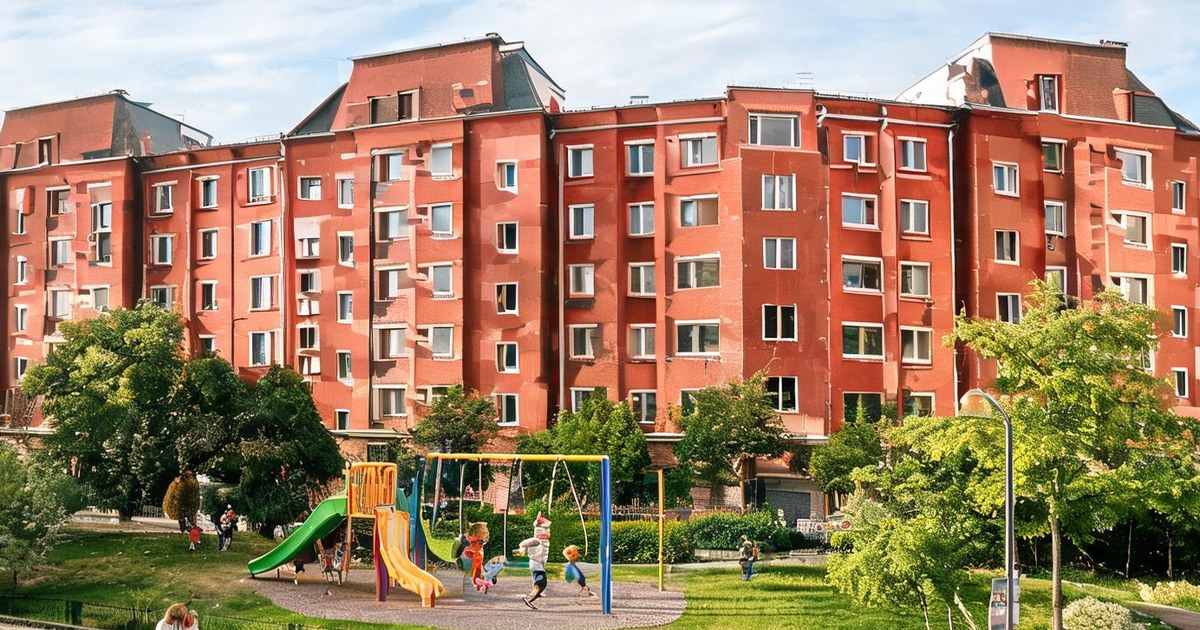
Vienna is Europe’s capital of social housing. According to Wiener Wohnen, the city owns 220,000 municipal apartments, and around 500,000 people — one in four Viennese — live in this Gemeindebau stock. Two main routes lead to subsidised housing: a Gemeindewohnung (municipal apartment rented from the city) and a Genossenschaftswohnung (cooperative apartment held through membership of a non-profit housing cooperative). Both are far cheaper than the open market, but they differ in legal form, upfront payments and the application route. Since 22 September 2026 both categories are allocated through a single platform, meinwohnticket.wien, with one common Wiener Wohn-Ticket. This guide covers the differences, the 2026 income limits, the full document list and a practical action plan.
Two kinds of subsidised housing in Vienna: the core difference
The short answer: a Gemeindewohnung is a regular tenancy in which the city of Vienna is your landlord. A Genossenschaftswohnung is a right to use an apartment that you obtain as a member of a housing cooperative.
In a municipal apartment you sign a standard open-ended rental agreement with the city. The relationship is governed by the MRG (Mietrechtsgesetz, the tenancy law) — the same law that applies to private rentals.
In a cooperative apartment you first join the cooperative: you buy cooperative shares (Geschäftsanteile) and receive the right to occupy a specific apartment under a usage agreement (Bestandvertrag). The relationship with the cooperative is governed by the WGG, the law on non-profit housing construction.
| Criterion | Gemeindewohnung | Genossenschaftswohnung |
|---|---|---|
| Who owns it | City of Vienna (Wiener Wohnen) | A cooperative (Bauvereinigung) |
| Your status | Tenant (Hauptmieter) | Cooperative member with usage right |
| Contract | Open-ended tenancy (MRG) | Usage agreement (WGG) |
| Membership | Not required | Required: cooperative shares |
| Upfront costs | Deposit (Kaution) | Shares + own contribution + deposit |
| Where to apply | Only via the Wohn-Ticket | Platform (part of the stock) + cooperative lists |
| Rent level | Well below market | Below market |
Both systems share the essentials: a free application, zero broker fees and rent well below the private Vienna market.
The system grew out of “Red Vienna” in the 1920s: the city started building municipal estates on a mass scale about a hundred years ago, and the cooperatives emerged in the same era. A subsidised apartment here is therefore not a niche privilege but a normal route for a teacher, a nurse or an engineer. The difference is only the door through which you enter the system.
Gemeindewohnung: a municipal apartment from the city
A Gemeindewohnung is owned by the city of Vienna and managed by Wiener Wohnen. It makes the city one of Europe’s largest municipal landlords: more than 220,000 apartments across 1,800 residential estates.
The two big advantages are stability and price. As Wiener Wohnen states, municipal tenancy agreements are open-ended, and the city keeps rents at a level that stays affordable even when incomes fall. The size of the apartment you are offered depends on the number of people in your household — allocation follows occupancy norms.
A simple comparison shows the value: a private one-bedroom apartment in Vienna typically runs €700–1,200 per month, with the district-by-district breakdown in our Vienna rent guide. Municipal rents sit well below comparable private units, and a conscientious tenant cannot be evicted on a whim.
We cover the full municipal route — history of the system and allocation quirks — in our guide to municipal housing in Vienna. Here we focus on the fresh 2026 rules.
Municipal tenancy agreements are open-ended: you can stay in the apartment for as long as you wish. You do not pay any brokerage commission.
— Wiener Wohnen, the municipal housing company of Vienna
Genossenschaftswohnung: the cooperative apartment and why joining early pays off
A Genossenschaftswohnung is built and managed by a housing cooperative (Bauvereinigung). Cooperatives are non-profit organisations: their goal is affordable housing for members, not profit. Together with the city, they built the famous “Viennese model” of affordable housing.
To get a cooperative apartment you become a member first. That means buying cooperative shares: typically around 150 euros per share, and most cooperatives require at least two shares — though every cooperative sets its own rules. A small annual membership fee comes on top.
Shares are not lost money: when you move out, the cooperative refunds the nominal value of your shares as part of the settlement procedure. In practice this works like a membership deposit that sits quietly for years.
The status difference also shows in daily life. A cooperative member attends general meetings, votes on building management and can usually pass the apartment on to their children if the cooperative’s rules allow it. The flip side is shared responsibility: on top of rent you pay contributions to the maintenance fund, and major decisions — from renovations to tariffs — are made together.
The third advantage is that you can join early. You can become a member long before you have a right to a specific apartment and sit on waiting lists for future projects. The city confirms that subsidised rental and cooperative apartments are built by non-profit and commercial cooperatives, and that an own financial contribution (Eigenmittel) is due when you receive such an apartment.
Wiener Wohn-Ticket: one application since autumn 2026
The key change of 2026: since 22 September 2026 the city allocates municipal and subsidised apartments through the new platform meinwohnticket.wien. Applications used to run through Wohnservice Wien — now everything lives on one “housing ticket”.
The Wiener Wohn-Ticket is your single pass. The same ticket covers municipal apartments and subsidised apartments from cooperatives and other developers. The ticket is free: you register your household on the platform, upload documents and receive an eligibility decision.
Three rules matter in advance. First, household data must be confirmed every 12 months — otherwise the ticket expires. Second, once you have received an apartment through the ticket, you can only apply again after 3 years. Third, false information blocks the ticket for 3 years, and manipulating bonus points costs you 6 months plus deletion of your application.
Applicants who already held a valid ticket with a justified housing need receive a Startbonus: applications with it can be submitted until 31 December 2026, according to the Wohnberatung Wien rules.
In practice the process looks like this. First you register the household and upload documents. Wohnberatung Wien then reviews the data and issues the ticket with your status. After that the search opens: vacant apartments appear on the platform, you express interest in specific objects, wait for a viewing invitation and sign the contract at the designated office. Weeks usually pass between an application and a contract — but vacant units disappear fast, so switch on notifications immediately.
Who can apply: citizenship and registration
The direct answer: any adult Vienna resident with two years of main residence and a stable status can apply — Austrian citizenship is not required.
The basic Wiener Wohn-Ticket conditions, as published by Wohnberatung Wien:
- age 18 or older;
- main residence (Hauptwohnsitz) in Vienna for at least 2 years, with interruptions of no more than 7 days;
- status: Austrian citizen, EU/EEA/Swiss citizen, recognised refugee, or holder of a Daueraufenthalt EU (EU long-term residence title);
- a clean rental record: no court evictions and no serious rent arrears.
The requirements apply to everyone moving into the apartment with you. The exception is minor children: they only need citizenship status and a Vienna residence. Spouses and registered partners must apply jointly.
Third-country nationals without a permanent status cannot apply until they hold a Daueraufenthalt EU. Students and holders of temporary residence titles usually fail this criterion — the private market remains their route.
One nuance concerns moves within Vienna. If you relocate, make sure the registration gap never exceeds the allowed 7 days: a long move through interim housing can wipe out your two-year record. It is best to submit documents once the new registration (Meldezettel) is already signed by your landlord.
Income limits 2026: how much you may earn
The direct answer: for municipal and subsidised rental apartments, the net annual income of a single-person household must not exceed €61,280 (about €4,377 per month across 14 payments). Limits rise with each additional household member.
The official Wohnberatung Wien table (2026, subsidised rental and city apartments):
| People in household | Net income per year | Per month (14 payments) |
|---|---|---|
| 1 | €61,280 | €4,377 |
| 2 | €91,320 | €6,523 |
| 3 | €103,330 | €7,381 |
| 4 | €115,360 | €8,240 |
| each additional | +€6,730 | +€481 |
Note that income must not be too low either: rent may not exceed 50 % of household income, so the city needs proof that you can sustain the apartment. The final calculation depends on the specific apartment you apply for.
The limits move up every year as wages rise. If you sit just above the line in 2026, do not close the file: check the table again next year. The opposite case — income falling after you apply — actually improves your profile, but the ticket data must be updated so the review runs on current numbers.
If your income is too high for a subsidised rental, the route is a subsidised owner-occupied apartment: it carries its own, higher limits (€70,030 per year for a single person). Wohnberatung Wien details all limits and exceptions in its Wohnungsvergabe NEU brochure.
Documents for the application: what to prepare in advance
The direct answer: you need an ID, a birth certificate, proof of income and evidence of your current housing — for every adult in the household.
The full list under the Wohnberatung Wien rules:
- an official photo ID (passport or identity card);
- for non-EU citizens — proof of legal residence in Austria;
- birth certificate;
- current proof of income;
- a valid rental agreement, usage agreement or land register extract for your current home — no older than 6 months.
Depending on your situation, add: the parent-child passbook (Eltern-Kind-Pass) during pregnancy, a custody order for children, a marriage or partnership certificate, divorce documents, a spouse’s death certificate, or a power of attorney if someone applies on your behalf.
All documents are uploaded when you register the household on meinwohnticket.wien. Practical tip: scan everything in colour in advance and check that names and dates match across documents — the platform resolves discrepancies against your documents and may come back to you with follow-up requests.
Upload quality affects review speed. Blurry scans, cropped edges and phone photos instead of copies are the usual reasons for follow-up requests. If a document is not in German, keep a translation at hand: it may be requested when in doubt. And double-check your names — the spelling in your passport and your birth certificate should match.

What entry and move-in cost
The direct answer: entering a municipal apartment is nearly free — a deposit only; entering a cooperative apartment runs through shares and an own contribution, but the shares come back.
Gemeindewohnung: there is no broker commission — the application is free, and this is firmly codified by the city. At move-in you pay the standard deposit (Kaution), usually three months’ rent. Any serious money for “queue help” is illegal: selling a place on the municipal waiting list is a criminal matter in Vienna. If someone demands cash to speed things up, that is fraud — see our breakdown of rental scams in Austria.
Genossenschaftswohnung: cooperative shares (typically from €300 for two shares), the own contribution (Eigenmittel) due when the apartment is allocated, and the usual deposit order. The Eigenmittel amount depends on the project — the cooperative names the exact figure at allocation.
On top of the monthly rent budget for operating costs (Betriebskosten), electricity and internet. Cooperatives add a contribution to the renovation fund. The full monthly amount — rent plus all charges — must be disclosed before you sign, so compare not just the rent but the total monthly burden: the difference between objects can be substantial.
Our guide to renting in Austria collects the full picture of move-in costs, from deposit to utility payments.
How to speed up the search: Direktvergabe, projects and SMART apartments
The direct answer: the fastest routes are a direct handover from the current tenant (Direktvergabe), early applications for new projects and openness to compact SMART apartments.
Direktvergabe is a legal handover mechanism: the current tenant of a municipal apartment “passes” the apartment to a new candidate who must hold a valid Wohn-Ticket. The city checks the application as usual, but waiting times for such apartments are often shorter. Wiener Wohnen publishes the official Direktvergabe rules.
New projects are the second route. The city and cooperatives complete thousands of apartments every year, and at least every third new subsidised apartment is allocated centrally through Wohnberatung Wien. Following projects at the planning stage raises your chances of catching the first allocation wave.
SMART apartments are compact and especially cheap housing: according to the city, almost every second new subsidised apartment is a SMART unit now. If you are single or a couple without children, applying for SMART apartments is usually faster than waiting for large formats.
The parallel track is the private market: our article on renting a Vienna apartment without an agent explains how to find private listings and avoid broker fees while your ticket is pending. And do not skip viewings — our guide to apartment viewings in Vienna covers the preparation.
Come to the viewing with a ready pack: ticket, passport and proof of income. Ask about the condition of the building, upcoming renovations and parking fees — these details separate objects more than floor area does. And remember: no legitimate offer requires prepayment before a contract is signed.

Typical applicant mistakes
The direct answer: almost all rejections trace back to three issues — outdated data, the wrong residence status and attempts to game the system.
Mistake 1: forgetting to update data. The ticket survives exactly 12 months without confirmation. Set a calendar reminder to review income, household composition and registration on meinwohnticket.wien once a year.
Mistake 2: false information. False eligibility data blocks the ticket for 3 years; manipulating bonus points costs 6 months plus deletion of the application. An honest application statistically outperforms a “polished” one.
Mistake 3: joining a cooperative blindly. Shares are money committed for years. Before joining, check the cooperative’s portfolio: where its buildings stand, how long the lists are, how fast apartments get allocated. Transparent cooperatives publish this openly.
Mistake 4: ignoring insurance. Wiener Wohnen explicitly recommends that every tenant carry Haushaltsversicherung (household contents insurance) — it saves your budget in case of fire or water damage. Policies start at a few euros per month.
Mistake 5: putting every egg in one basket. While the ticket is under review and the lists crawl forward, do not freeze in place. Watch the private market as a fallback and return to the subsidised tracks from a position of strength — that way you never end up without a roof when deadlines tighten.
Frequently Asked Questions
Can a foreigner get a municipal apartment in Vienna?
Yes, if you hold EU/EEA/Swiss citizenship, recognised refugee status or a Daueraufenthalt EU, plus at least 2 years of main residence in Vienna. Austrian citizenship is not required. Holders of temporary residence titles will be rejected — the eligibility details are covered in the sections above.
How long is the wait for a Genossenschaftswohnung?
On popular cooperative lists, from one year to several years. Three routes work faster: early applications for new projects before construction finishes, openness to SMART apartments, and Direktvergabe. The general ticket does not replace cooperative lists — apply on both tracks at once.
Are cooperative shares refunded when you move out?
Yes. When membership ends, the cooperative refunds the nominal value of the shares as part of the settlement procedure. The timing depends on the cooperative’s statutes — usually months, not years. Shares do not grow over time: you receive exactly what you paid in.
Which is better value: Gemeindebau or a cooperative?
Rent is below market in both cases; municipal apartments are often slightly cheaper, while cooperatives offer more choice of districts and floor plans. For the price context, see our Austria housing price overview: a subsidised apartment typically saves €200–400 per month against a comparable private unit.
Conclusion: your action plan
The difference is simple: a Gemeindewohnung is a regular open-ended tenancy from the city with no entry payments; a Genossenschaftswohnung is membership with shares and a usage right — with the option of joining waiting lists early. Since autumn 2026 both are allocated through the single Wiener Wohn-Ticket on meinwohnticket.wien.
The applicant’s checklist:
- Check eligibility: 2 years of residence, a valid status, income within the 2026 limits.
- Collect documents: ID, birth certificate, income proof, current rental agreement.
- Register the household on meinwohnticket.wien and apply for the Wohn-Ticket.
- Submit applications: the platform + 2–3 cooperative lists + watch Direktvergabe.
- Confirm your data every 12 months — otherwise the ticket lapses.
After that it is patience plus a parallel private-market search. To stay on top of housing rule changes, subscribe to the how2austria newsletter: a short weekly briefing on prices, laws and practical steps for life in Vienna.
Stay Up to Date with the Latest Austrian News
The week's top stories — news, guides, and insights about life in Austria. Every Sunday in your inbox.