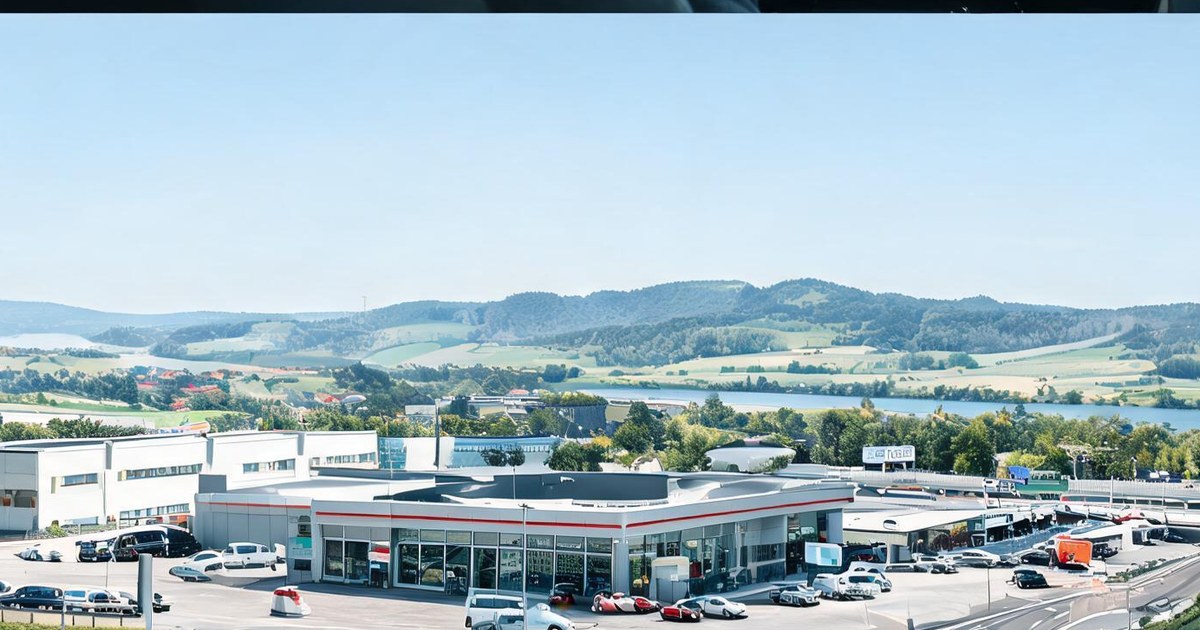
Gas stations in Austria: how to compare fuel prices and save
Gas stations in Austria: how to compare fuel prices and save Gas stations in Austria: compare petrol and diesel prices, find cheaper stations nearby, and save on fuel with clear, practical tips for every driver. Topics: Daily Life, Transport.
Gas stations in Austria are part of everyday life for commuters, families, and anyone exploring the country by car. The key question is often not where the nearest pump is, but how much a litre of petrol or diesel costs right now. Fuel prices can vary from one station to the next, even within the same district, so comparing options before you stop is a simple way to save. In this guide, you will learn where to check current fuel prices in Austria, how comparison tools work, what fuel labels mean, and how to choose a station that fits your route. We also cover payment, opening hours, common mistakes, and practical habits that help reduce driving costs.
Where to check current fuel prices in Austria
The most reliable way to find a good price is to use live comparison tools shortly before you refuel. Austria offers several services that make this easy. The official E-Control Spritpreisrechner lets you compare station prices by region and fuel type. It is a solid starting point when you want clear data on Super 95 and Diesel instead of relying on guesswork.
Many drivers also use the ARBÖ fuel price finder to spot cheaper stations in a selected district. It is especially handy when you need a quick answer before leaving home or during a short trip. Another useful option is the ÖAMTC Tanken page, which helps you think about refuelling as part of route planning rather than a last-minute decision.
Fuel prices move, so timing matters. A station that looked cheap earlier in the day may not be the best option later. Checking prices close to the moment you need fuel gives you a more accurate picture. This is particularly helpful in unfamiliar areas, on longer journeys, or when you are driving with little margin in the tank.
Comparison works best when you consider context, not just the number per litre. Distance, traffic, and ease of access all affect whether a lower price is truly worthwhile. A station slightly off your route can erase the saving, while a convenient station with a competitive price often delivers the best overall result.
How comparison tools help you choose the right station
Each comparison service has strengths, and knowing how to use them makes refuelling simpler. E-Control is useful for a transparent overview: you can compare fuel types and locations and see how prices differ across an area. This is helpful when you want to understand the local range rather than chasing a single listing.
The ARBÖ tool is designed for quick discovery of cheaper stations in a district. It works well when time is short and you need a practical shortlist. ÖAMTC fits naturally into trip planning, especially if you already think in terms of routes, stops, and driving conditions. In everyday use, combining these tools is often the most efficient approach.
To get accurate results, always select the correct fuel type first. Petrol and diesel prices should be compared separately, and the same applies to different petrol grades. If your household uses more than one vehicle, it is easy to mix up filters, so make it a habit to double-check before you decide.
It is also wise to look at more than one candidate station. The cheapest listing may have a queue, awkward access, or limited opening hours. Having two or three alternatives gives you flexibility. In cities, traffic can change the equation quickly; in rural regions, fewer options make advance planning more valuable.
Fuel types at Austrian stations: what the labels mean
Most Austrian pumps offer Super 95, Super 95 E10, and Diesel. For many petrol cars, Super 95 is the standard option, but the manufacturer’s recommendation is always decisive. You can confirm the correct fuel in the owner’s manual and usually on the inside of the fuel flap. Taking a moment to check prevents costly mistakes.
Super 98 is intended for engines that require a higher octane rating. Filling up with it in a car designed for Super 95 does not automatically improve performance or efficiency in a meaningful way. Diesel must only be used in diesel vehicles. Misfuelling is stressful and expensive, so it pays to be careful, especially when driving a rental car or a vehicle you do not use often.
The E5 and E10 labels indicate different ethanol blends in petrol. Many modern vehicles are compatible with E10, but some older models have restrictions. If you are unsure, check the manufacturer’s guidance before switching. Drivers who have recently moved with their vehicle should also handle the formal side of ownership, such as re-registering a car after moving to Austria, so everyday mobility is hassle-free.
| Fuel label | Typical use | What to check |
|---|---|---|
| Super 95 (E5/E10) | Most petrol cars | Confirm E10 compatibility in the manual |
| Super 98 | Petrol engines requiring higher octane | Only useful if recommended by the manufacturer |
| Diesel | Diesel engines only | Never confuse with petrol grades |
How to compare stations and choose one near you
Choosing a station is about balancing price and convenience. Start by selecting the correct fuel in a comparison tool, then narrow the search to your district or route. Look at the listed price per litre, but also consider how far you need to drive, how easy the access is, and whether the stop fits naturally into your journey.
Distance matters more than many drivers expect. A small saving per litre can disappear if you make a detour, sit in traffic, or spend extra time getting back on route. For regular commutes, a consistently convenient station with competitive prices often beats occasional trips to the absolute cheapest option. The goal is a smart routine, not a perfect score every time.
Practical details can make or break the choice. Check whether the station is open, whether it is staffed or automated, and how payment works. These factors are especially important late in the evening, on Sundays, or in smaller towns. A quick check before you drive can prevent the frustration of arriving at a closed forecourt.
If you drive the same routes often, build a short personal shortlist. Revisit it from time to time in comparison tools, because local competition changes. This habit keeps refuelling predictable and helps you save without turning every trip into a search exercise.
For longer journeys, it is sensible to think about refuelling before the trip starts. Check possible stations along the route so you are not forced to decide with a low tank and limited options. A planned stop at a suitable station is usually cheaper and calmer than a spontaneous search on a motorway or in an unfamiliar town. This small step can make a noticeable difference to both cost and comfort.
When and where refuelling is usually cheaper
There is no fixed rule that fuel is always cheapest at a certain time of day or in a certain type of location. Prices respond to competition, supply costs, demand, and local conditions. That said, drivers often find better prices at discount stations or away from busy motorway service areas. Treat these patterns as helpful hints, not guarantees.
Detours are a common trap. Driving several extra kilometres for a tiny price difference can cost more than it saves. A better strategy is to refuel along routes you already use: on the way to work, during errands, or before a planned trip. This keeps the saving real and the effort low.
Market conditions and policy measures can also influence pump prices. Austria experienced visible changes during the fuel price cap period after parliament passed the Spritpreisbremse law. Even when overall levels shift, price differences between stations remain, so comparing options is still worthwhile.
The most useful price is the one available at the moment you refuel: local differences can be meaningful even within the same area.
— how2austria.com editorial team

Discount and branded stations: what to expect
Austria has a mix of branded networks and lower-cost stations, including some at supermarkets. Branded locations may offer extra services such as car washes, shops, food, or rest areas. Discount stations tend to focus on straightforward refuelling and competitive pricing. The best choice depends on your priorities at that moment.
If saving on fuel prices is the main goal, compare the base price for the exact fuel your car needs. Loyalty schemes and app promotions can add value, but they do not replace a direct price comparison. A promotion is only helpful when the final per-litre cost is genuinely competitive for a station you can reach easily.
Comfort and reliability also matter. A slightly higher price can be acceptable if the station is easy to access, well lit, and open when you need it. For many drivers, the ideal setup is a mix: a regular low-cost option for everyday refuelling and a dependable alternative for late trips or long journeys.
Over time, you will learn which stations near you offer a good balance. Revisiting prices occasionally keeps that knowledge up to date. This practical approach is more effective than relying on assumptions about which brand is always cheapest.
Payment, self-service, and opening hours
Most gas stations in Austria accept bank cards and contactless payments, and many drivers are used to self-service pumps. Still, the experience varies by location. Automated stations may rely on payment terminals at the pump, while staffed stations can offer different options and services. Knowing what to expect makes refuelling smoother, especially outside normal hours.
Opening hours differ between urban and rural areas. Stations along major roads or in busy districts often stay open longer, while smaller locations may have limited hours. Navigation apps and operator websites usually provide current information. On longer trips, it is sensible to plan a backup stop so you are not forced into a poor choice with a low tank.
Refuelling is also a good moment to think about overall driving costs and responsibilities. Avoidable mistakes on the road can be expensive, so it helps to understand common fines in Austria. For newcomers, knowing the cost of a driving licence in Austria adds useful context to the total cost of mobility.
Everyday habits that help you save fuel
Saving money on fuel is not only about the pump price. Driving style has a direct effect on consumption: smooth acceleration, steady speeds, and anticipating traffic reduce unnecessary fuel use. Planning routes to avoid avoidable congestion and combining errands can also lower how often you need to refuel.
Vehicle condition matters too. Correct tyre pressure, timely maintenance, and removing unnecessary weight all support better efficiency. Roof boxes and heavy items left in the boot can increase consumption over time. These are small adjustments, but together they make a noticeable difference for regular drivers.
The third habit is planning. Check prices before your tank is nearly empty so you can choose a convenient station on your route. This avoids emergency stops where price and choice may be limited. For commuters and families, a simple routine — compare, choose, refuel — keeps costs more predictable.
Fuel is only one part of car ownership. Insurance, servicing, parking, and the car tax in Austria (Kfz-Steuer) all contribute to the total. Looking at the full picture helps you decide where to focus your effort: cheaper fuel, fewer trips, or better vehicle efficiency.
What drives petrol and diesel prices in Austria
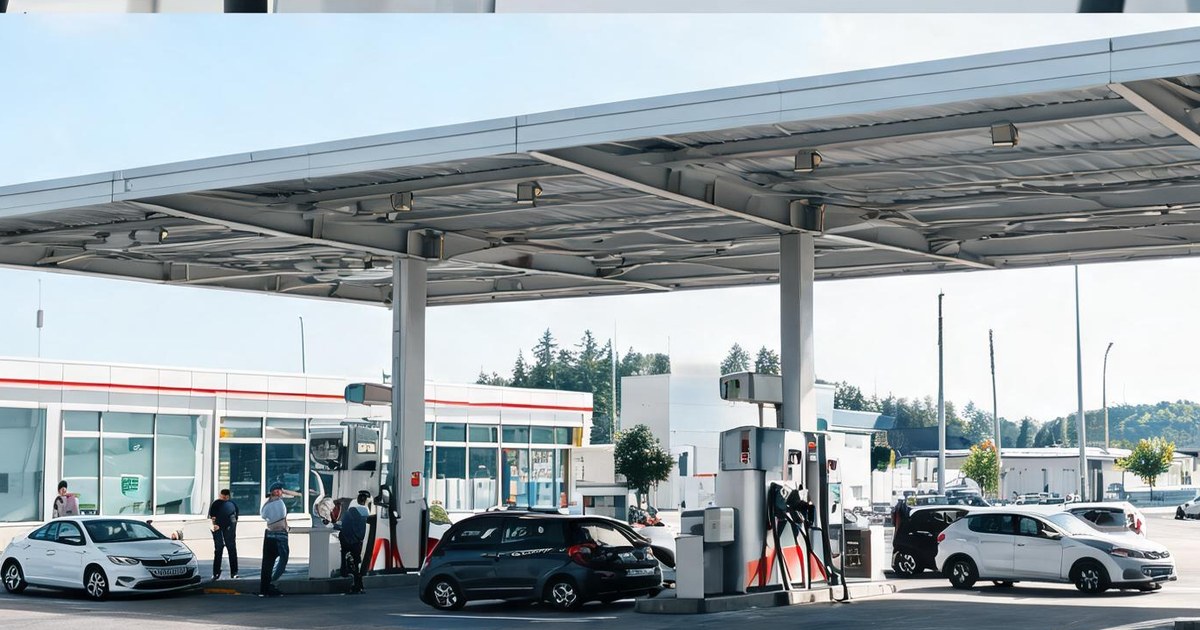
Pump prices reflect a mix of factors: wholesale fuel costs, taxes, transport and distribution, local competition, and broader energy market conditions. Because these inputs change, prices can move quickly and differ between nearby stations. This is why live comparison is more useful than relying on a fixed idea of where fuel is “always” cheapest.
Policy decisions can also affect price levels. Temporary measures or tax changes may ease costs for a period, but they do not eliminate local variation. Even when the overall market shifts, stations still compete differently. For drivers, the practical takeaway is consistent: check current petrol and diesel prices for your area and choose the option that fits your route.
Understanding the wider cost environment can help with budgeting. Our guide to taxes in Austria explains how compulsory charges fit into household finances. Fuel spending is only one line in that budget, but for car owners it is a recurring and manageable one.
In the end, control comes from informed choices. You cannot change global markets, but you can compare stations, plan refuelling stops, maintain your vehicle, and avoid unnecessary detours. These steps turn a variable expense into something you can actively manage.
Common mistakes when choosing gas stations in Austria
Even experienced drivers lose money through small, avoidable habits. The first mistake is waiting until the tank is nearly empty. When refuelling becomes urgent, the nearest station wins, not the best-priced one. Checking fuel prices earlier gives you options and removes pressure, especially on unfamiliar routes or during busy travel times.
The second mistake is chasing the lowest price without considering the journey. A detour for a few cents per litre can cost more once you factor in extra distance, traffic, and time. This is easy to overlook in cities, where a short-looking diversion may take much longer than expected. The smarter approach is to compare stations on routes you already plan to take.
A third mistake is confusion about fuel types. Labels such as Super 95, Super 95 E10, Super 98, and Diesel are clear, but rushing or switching vehicles can lead to errors. Rental cars, borrowed vehicles, and newly purchased cars deserve an extra check at the pump. Confirming the correct fuel once is far easier than dealing with the consequences of misfuelling.
Another common issue is ignoring opening hours and payment methods. Automated or smaller stations may operate differently from large forecourts on main roads. Late evenings, weekends, and rural areas can limit your choices. A quick check in a comparison tool or navigation app helps you avoid arriving at a station that is closed or unsuitable.
Some drivers also rely too much on habit. A station that was convenient months ago may no longer be the best option if your route, schedule, or local prices have changed. Revisiting your usual choices from time to time keeps your routine efficient. This does not mean checking prices every single day, but an occasional comparison can reveal better alternatives nearby.
Finally, many drivers focus only on pump prices and overlook the wider cost of driving. Maintenance, insurance, taxes, and penalties all shape the real budget. Comparing gas stations in Austria is a valuable habit, but it works best as part of a broader routine: plan ahead, drive efficiently, and keep the full picture of mobility costs in mind. A small saving per litre matters most when it is combined with consistent, sensible decisions over time.
Frequently Asked Questions
Bottom line: a quick checklist for cheaper refuelling
Finding a good gas station in Austria is mostly about preparation: know your fuel type, compare current prices, and pick a station that suits your route. This simple routine saves money and reduces stress, especially on busy days or longer trips. Once you make it a habit, refuelling becomes predictable rather than improvised.
- Check current prices in E-Control, ARBÖ, or ÖAMTC before you refuel.
- Compare Super 95 and Diesel separately and factor in distance.
- Confirm opening hours and payment options, especially at night or in rural areas.
- Avoid long detours for very small savings — look at the total trip cost.
- Track overall car expenses to understand your real mobility budget.
For more practical guides on transport, everyday costs, and living in Austria, subscribe to our newsletter and get useful updates in one place.
Stay Up to Date with the Latest Austrian News
The week's top stories — news, guides, and insights about life in Austria. Every Sunday in your inbox.
Related Posts
Frequently Asked Questions
Where can I check current fuel prices in Austria?
Current fuel prices are available in comparison tools such as the E-Control Spritpreisrechner, the ARBÖ fuel price finder, and the ÖAMTC Tanken section. They help you compare Super 95 and Diesel by region and find cheaper stations nearby.
Which fuel should I use in Austria: Super 95, Super 98, or Diesel?
Use the fuel recommended by your vehicle manufacturer. Super 95 petrol (E5/E10) fits most petrol cars, Super 98 is for engines that require higher octane, and Diesel is only for diesel engines. The correct fuel is listed in the manual and usually inside the fuel cap.
Where is it usually cheaper to refuel in Austria?
Discount stations and locations away from busy motorway hubs are often cheaper, but the difference changes by day and region. The most reliable method is to check current prices in comparison tools before you drive.
Can I pay by card at gas stations in Austria?
Most stations accept bank cards and contactless payments, but conditions can differ at smaller or automated stations. It is sensible to check opening hours and payment options in advance, especially at night or in rural areas.
Why do fuel prices differ between stations?
Prices depend on wholesale costs, taxes, transport, local competition, and each operator's pricing policy. That is why the price per litre for Super 95 or Diesel can vary noticeably even within the same area.