Austria's Fuel Price Cap: Petrol and Diesel Get Cheaper at the Pump
Austria's Fuel Price Cap: Petrol and Diesel Get Cheaper at the Pump Austria's fuel price cap cut petrol and diesel prices: diesel at €2.169, Super at €1.862 per litre. How the Spritpreisbremse works and who really benefits. Topics: News, Transport, Economy.
Since 1 October Austria’s fuel price cap (Spritpreisbremse) is back in force — a temporary mechanism meant to cut the price per litre by around 12 cents. On the first day the regulator E-Control recorded a clear drop: diesel fell to €2.169 per litre, Super petrol to €1.862. A day earlier the same litres cost €2.250 and €1.943. Below you will find the actual numbers, how the mechanism works, what critics say and how Germany compares. You will also see who really saves at the pump — and who picks up the bill.
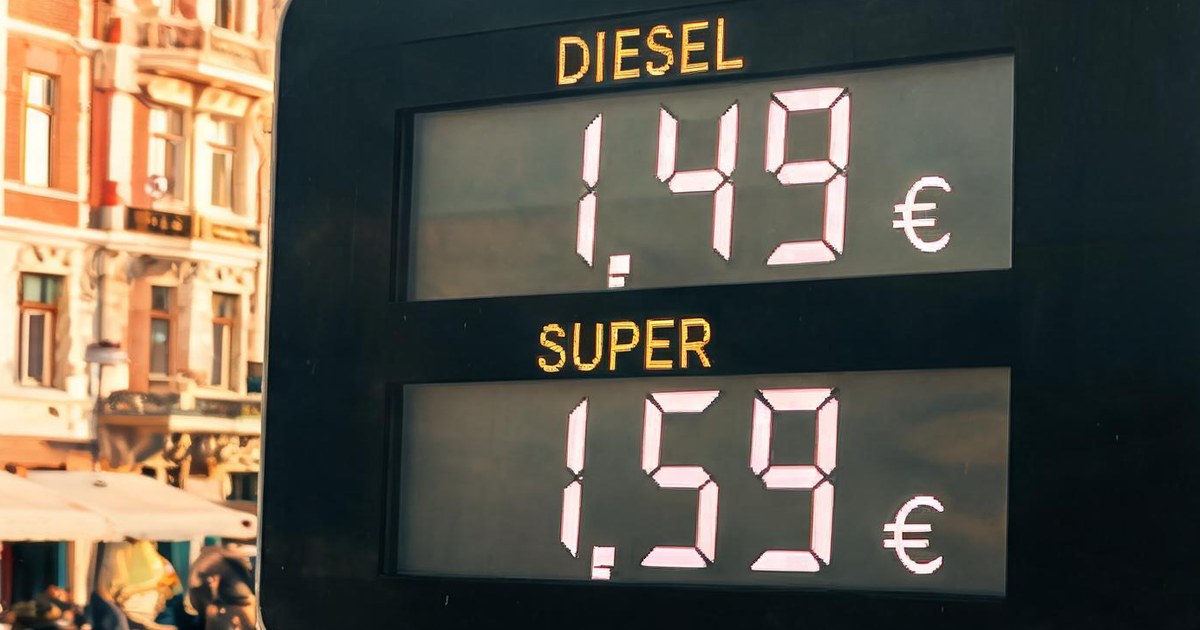
What a litre costs right now
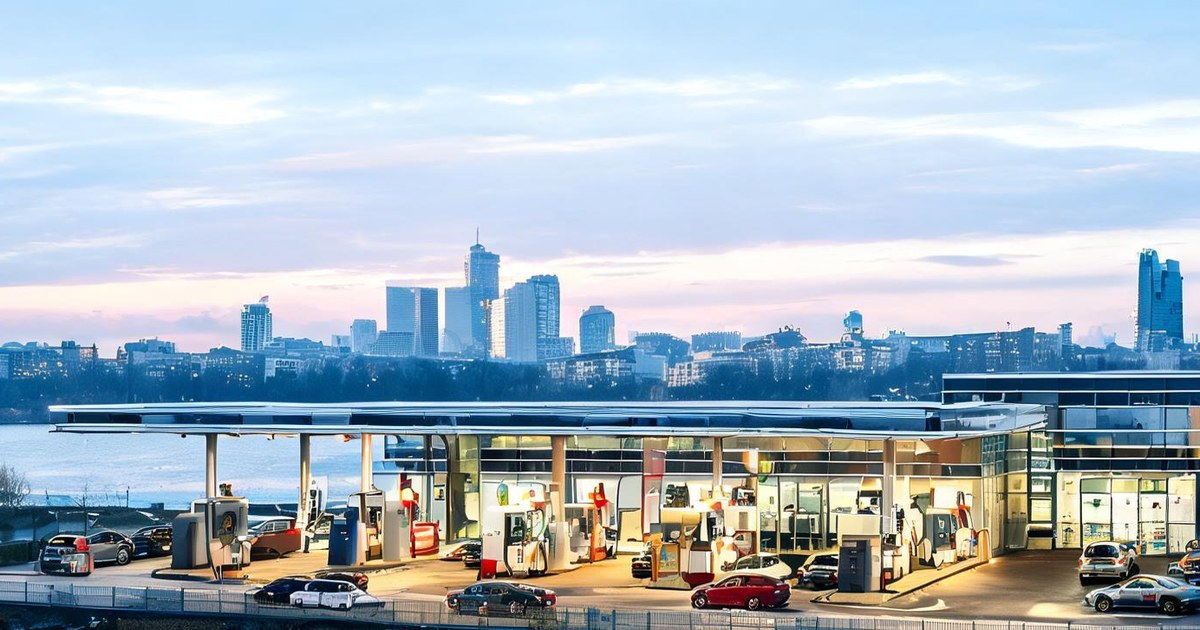
According to the regulator E-Control, the average price on the first day was €2.169 for diesel and €1.862 for Super. That is 8.1 cents less than the day before, when diesel cost €2.250 and Super €1.943.
The stated goal of the measure is 12 cents per litre. The gap between target and result is easy to explain: part of the discount was already priced in. Fuel traders knew the start date and adjusted prices beforehand.
For a car with a 50-litre tank that means savings of roughly €4–6 per fill-up. For a family with two cars and a commute, it adds up to €30–40 a month.
How the fuel price cap works
The cap is not a fixed price ceiling but a combination of two instruments. First, the Mineralölsteuer (mineral oil tax) is reduced — a direct discount from the state. Second, the retail margin of filling stations is capped, and this is the part that caused the fiercest political debate.
The measure runs provisionally until 30 November and is formally temporary. The government presents it as protection for household purchasing power amid high energy prices.
The ÖVP, NEOS and business representatives opposed the margin cap, arguing the state should not interfere in pricing. The SPÖ pushed for regulation. Fuel traders even warned of filling stations closing down.
Economists are cautious about the effect. IHS economist Sebastian Koch expects the cap to lower inflation by around 0.2 percentage points — modest, but visible in the statistics.
We are currently seeing a very tight market, but no acute physical diesel shortage in Austria. Our supply is secured.
— Elisabeth Zehetner, State Secretary for Energy (ÖVP)
The global diesel market remains tight, and diesel costs more than petrol. The reasons lie in logistics, refining costs and geopolitical risks in producing regions.
State Secretary Elisabeth Zehetner stressed ahead of the EU energy ministers’ meeting that there is no physical shortage in Austria and that supply is running as planned. So the issue is price, not availability.
That is why critics call the cap a firefighting measure: it dampens the symptom but does not solve the structural dependence on imported diesel.
Who benefits most
The main argument of opponents is about distribution. The transport club VCÖ compared household fuel spending using Statistik Austria’s household budget survey for 2024/25.
| Monthly household income | Fuel spending per month | Relative relief |
|---|---|---|
| up to €2,200 | around €61 | minimal |
| above €5,000 | around €207 | maximal |
Households earning more than €5,000 spend almost three and a half times more on fuel than households earning up to €2,200. They therefore gain proportionally more from a per-litre discount. VCÖ expert Maria Schenk calls the cap socially and economically counterproductive and demands needs-based support instead.
Supporters counter that fuel is not a luxury: nurses, couriers, shift workers and residents of rural villages depend on a car. For them 12 cents per litre is real money.
Germany cut prices by a similar amount
A comparable mechanism started in Germany as well. According to the German automobile club ADAC, prices fell by an average of 13 cents on the first day. Super petrol cost €2.114 and diesel €2.262 per litre.
The difference between the two countries is small but shows the same trend: governments are trying to dampen fuel prices administratively while the market stays volatile. How the German scheme works in detail is explained in our article on Germany’s fuel price cap.
It is also worth remembering that running a car in Austria costs more than fuel. One separate expense is the Kfz-Steuer (vehicle tax), and the full picture of taxes is covered in our guide Taxes in Austria.
What happens after 30 November
The cap formally expires on 30 November. Three scenarios are possible: an extension, a switch to targeted payments, or the end of regulation altogether. The government has not announced a final decision yet.
The first option keeps the discount but prolongs the debate about market intervention. The second matches what the VCÖ and the National Bank want: help for those who genuinely depend on a car. The third returns market prices and would likely trigger new discontent.
While the current rules apply, it is worth checking prices through the Spritpreisrechner, E-Control’s official tool showing real-time prices at individual stations. The difference between stations in the same district sometimes reaches 10–15 cents.
The broader direction of Austrian energy policy is covered in our article on the energy transition in Austria, and the history of the measure in the piece on the law that introduced the fuel price cap.
Frequently Asked Questions
How much do diesel and petrol cost in Austria right now?
On the first day of the cap diesel averaged €2.169 and Super €1.862 per litre. Prices change daily; the current values are shown in E-Control’s Spritpreisrechner.
Until when does the fuel price cap apply?
It has been in force since 1 October and is provisionally limited to 30 November. No decision on an extension has been made yet.
Who benefits most from the cap?
High-income households: they spend three and a half times more on fuel and therefore save proportionally more. That is exactly what the VCÖ criticises.
Is Austria running out of diesel?
No. The State Secretary for Energy confirmed that the market is tight but there is no physical shortage and supply is secured.
Bottom line
The cap worked from day one: diesel and petrol became around 8 cents cheaper, while the 12-cent target remains the benchmark until the end of November.
- Compare prices before refuelling — E-Control’s tool shows differences of 10–15 cents within the same district.
- Think in monthly budgets, not litres — for a two-car family the discount is worth €30–40.
- Watch the decision after 30 November — it determines whether the discount stays or is replaced by targeted payments.
If you want to hear about changes like this in Austria first, subscribe to our newsletter: once a week, only what actually affects your budget.
Stay Up to Date with the Latest Austrian News
The week's top stories — news, guides, and insights about life in Austria. Every Sunday in your inbox.