How Heat Is Changing Life in Austria: Siestas, Night Shifts and New Rules
How Heat Is Changing Life in Austria: Siestas, Night Shifts and New Rules How heat is changing life in Austria: billion-euro drought damage, the siesta debate, night work in vineyards, and plans to shift school holidays and construc Topics: News, Leisure & Culture, Economy.
Vineyards in Catalonia have moved their harvest to the night, cattle in the Austrian Alps are being brought down from mountain pastures a month early, and economists increasingly say that heat is changing life not just at holiday resorts but in the daily routine of entire countries. Austria in August 2026 is a striking example: the country is facing a “historic drought catastrophe” with damages of one billion euros, and experts are seriously discussing the introduction of a siesta and a shift of the summer school holidays. In this article we look at what has already changed in Austrian everyday life because of the heat, what politicians and economists are debating, and which familiar routines may become a thing of the past — from night harvests to evening work shifts and construction schedules.
Night Harvest: Agriculture Adapts First
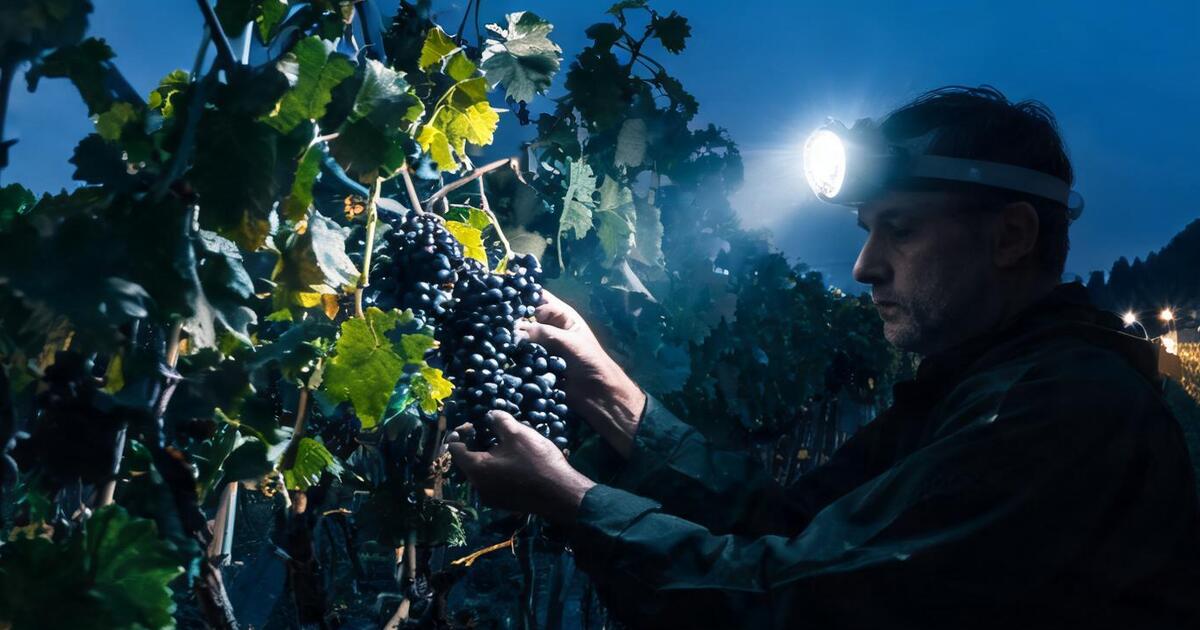
While city dwellers debate air conditioning, farmers have already changed their schedules. In Catalonia, Spain, the winery Gramona started its harvest on 22 July — weeks ahead of the traditional August dates — and worked in the dark, by the light of headlamps. The reason: daytime temperatures between 35 and 45°C, which stress both the plants and the workers. Winemakers in Burgundy are doing the same: night picking there is already seen not as an exception but as the future standard.
As the Austrian daily Die Presse notes in its latest analysis, agriculture is always the first to adapt to the climate — because a harvest cannot simply be moved into the shade. The same principle is gradually reaching other sectors: when the season shifts, the whole production logistics shifts with it.
A Billion Euros in Damage: “Historic Drought Catastrophe”
The Austrian agricultural insurer Hagelversicherung has estimated the damage caused by the 2026 drought at 1 billion euros — the highest figure ever recorded. Another 80 million euros came from frost, hail, storms and floods. As ORF reports, the whole country and every crop was affected: particularly grassland, maize, potatoes, sugar beet, pumpkins and soybeans, and in some regions also cereals. The insurer’s own press release notes that over the previous ten years drought damage totalled two billion euros, and Der Standard calls the situation a “historic drought catastrophe”, warning that Austria’s food self-sufficiency could decline sharply.
This is a historic drought catastrophe. Precipitation deficits as never before, hot days as never before, temperatures as never before. These extreme events are leading to unprecedented drought damage in Austria.
— Kurt Weinberger, head of Hagelversicherung
For comparison: in 2025 the total damage from all weather events was 110 million euros, in 2024 — 260 million. According to the insurer, 80% of arable land and 40% of grassland in Austria is insured against drought, so affected farms are entitled to compensation. The government is preparing an aid package for farmers, but analysts warn that one-off payments do not solve the problem.
Cattle Coming Down Early: The Almabtrieb Speeds Up
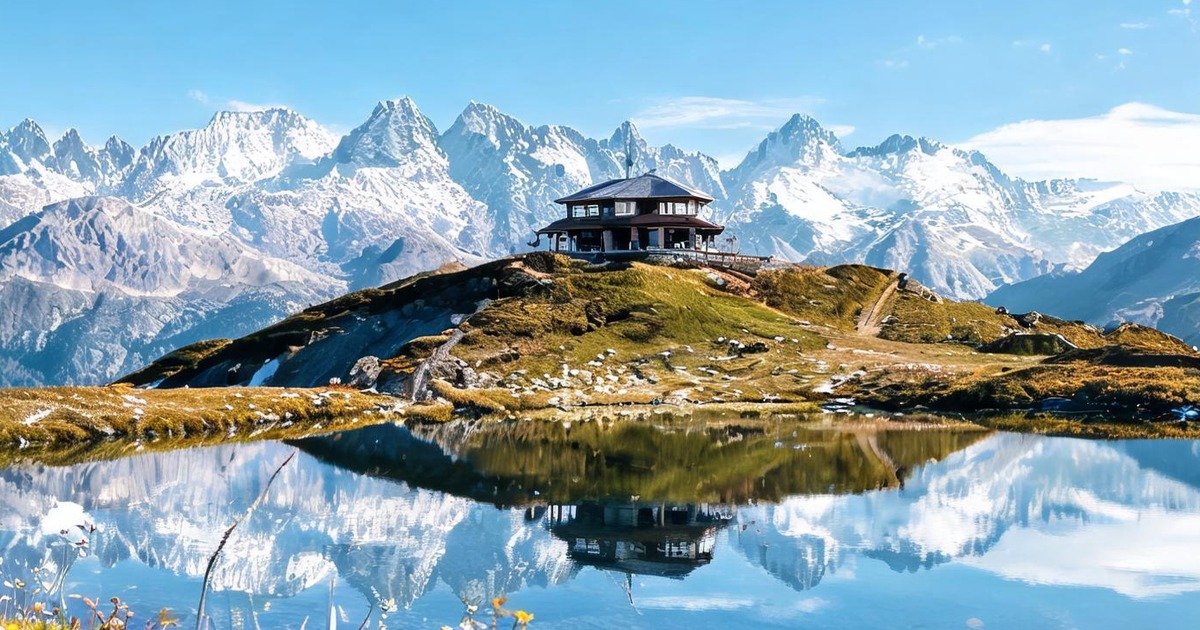
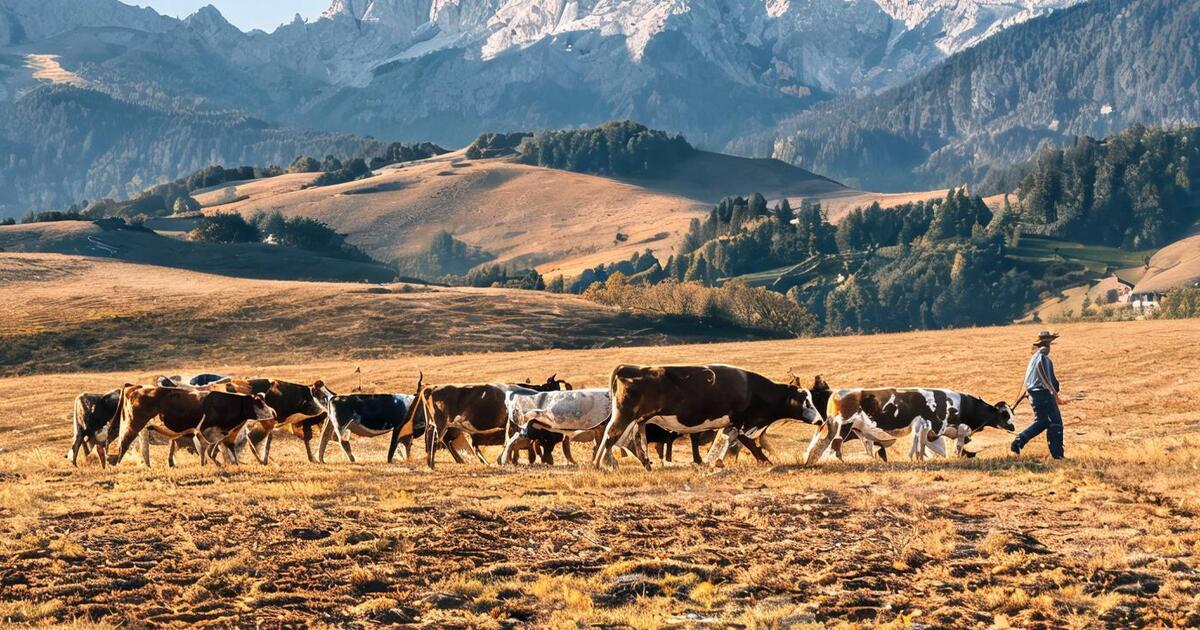
Dried-out mountain pastures have forced farmers to start the traditional autumn cattle drive — the Almabtrieb (the return of cows from the alpine meadows to the valley) — a month earlier than usual. Winter fodder is already running short, and livestock farmers are having to open their winter hay supplies in summer.
This shift sets off a chain of consequences: less feed means more expensive milk and meat, higher food prices, higher inflation. The question of what comes next is becoming ever more urgent, because climatologists see the record 41.2°C measured in Bad Deutsch-Altenburg in early August not as an anomaly but as the new reality. We covered whether 40-degree days are here to stay in a separate analysis of climatologists’ forecasts.
An Austrian Siesta: The Working Day Moves Into the Evening
The most debated question of this summer is whether the rhythm of work itself will change. The Austrian working world used to be as predictable as the seasons: cold winters, warm but bearable summers. Now that daytime heat makes outdoor work dangerous, experts are seriously discussing the introduction of a siesta — a break during the hottest hours — and shifting working hours into the evening, at least in some sectors.
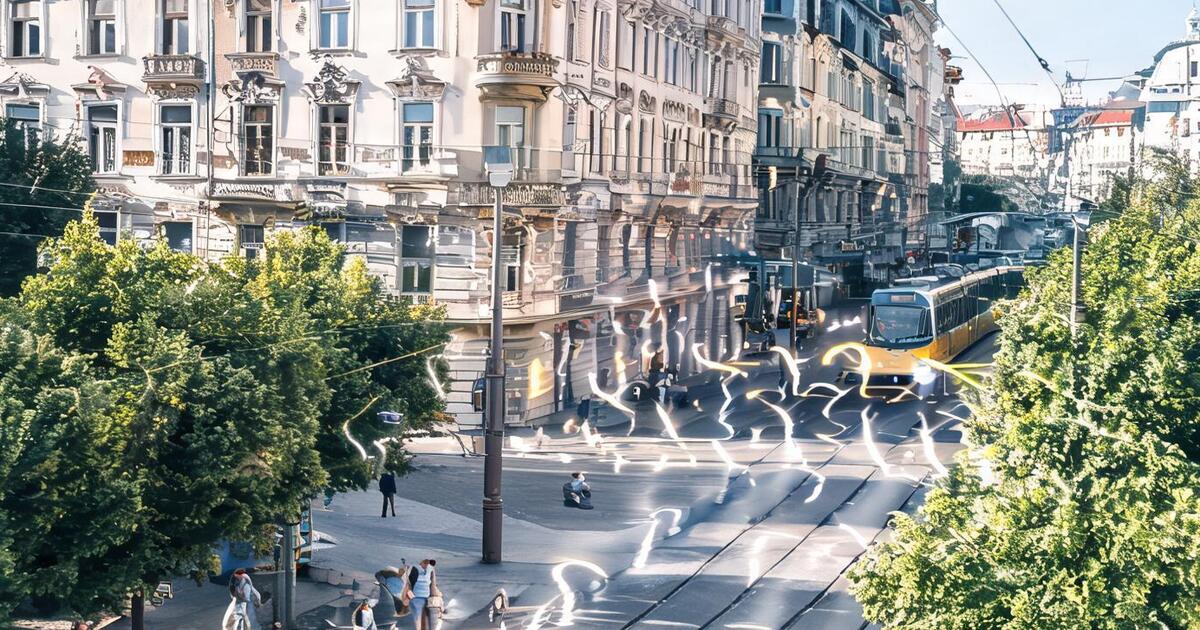
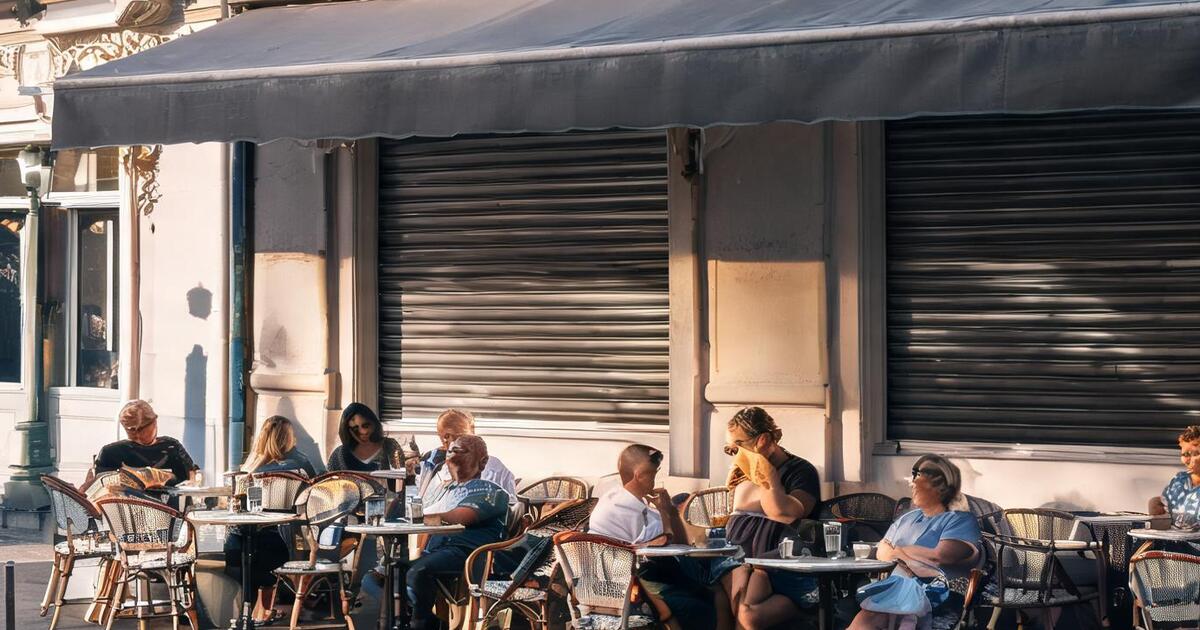
As Die Presse notes, the siesta idea no longer seems absurd. In cooler years it was dismissed as a sign of laziness, but in 2026 construction sites, wineries, agriculture and delivery services are all reviewing their schedules. The city may become quieter by day and louder by night, and this will affect not just work but leisure too. For now, Viennese residents mostly escape the heat in the shade of city cafés — our overview of the summer heat in Austria shows what that looks like.
A Double Blow for Business and Pressure on the Budget
Companies suffer from the heat twice: first through direct losses, then through forced investment in heat-resistant infrastructure. Roads, rails, power grids, cooling for warehouses and offices — all of this costs money, and in a changing climate the expenses will not stop.
Economists warn that with such a list of expenditures, the national debt will tend to rise. As ING economist Carsten Brzeski notes, the country faces a dilemma: one-off compensation for farmers or systemic investment in the energy transition — the second path is more expensive in the short term but cheaper in the long run. His colleague Sehrish Usman from the University of Mannheim adds a worrying detail: usually damage peaks in the year of an extreme event and then declines, but the opposite is now being observed — damage is growing year after year.
School Holidays and Construction Schedules: What Could Change
No routine is untouchable anymore. In Austria there is a growing debate about moving or shortening the summer school holidays to cooler months. An idea that seemed radical not long ago is now being raised seriously in government circles.
Construction and road repairs are also being proposed for night hours, as far as that is compatible with protecting residents. Night-time grape picking makes no noise — but it could be just the beginning of a new era in which many kinds of work move into the dark hours. Meanwhile, residents have to adapt: keep an eye on the forecast for the hottest weeks and plan the day around the temperature.
The Bottom Line: Three Key Changes
To sum up, here are the three main shifts that the heat is already bringing to life in Austria:
- Work moves to the cooler hours — night shifts in winemaking, discussions of siestas and evening schedules in construction and logistics.
- Agriculture is restructuring on the fly — earlier harvests, an accelerated cattle drive from the Alps, billion-euro losses and new compensation mechanisms.
- The state faces a choice — one-off payments to those affected or systemic investment in infrastructure and the energy transition, which will shape the budget for years to come.
Weather records are not just news for tourists. They are a signal that the familiar way of life, from school holidays to working hours, will have to be reconsidered. Follow the story — subscribe to our newsletter so you don’t miss new articles about life in Austria.
Stay Up to Date with the Latest Austrian News
The week's top stories — news, guides, and insights about life in Austria. Every Sunday in your inbox.