Care Home Costs in Austria: Who Pays – and Why the 13th Pension Is at Risk
Care Home Costs in Austria: Who Pays – and Why the 13th Pension Is at Risk Care home costs in Austria are rising: Länder want access to the 13th and 14th pension of care home residents. Who pays for care, what § 105 ASVG says. Topics: News, Healthcare, Politics.
The fight over who pays for elderly care in Austria has reached the federal level. In autumn 2026, the Austrian federal states (Länder) demanded access to the 13th and 14th pension payments of care home residents. That is money thousands of families spend on haircuts, ointments and Christmas presents for grandchildren. As Krone reports, the issue was tabled at the care summit in the Ministry of Social Affairs, officially called the Pflegeentwicklungskommission (care development commission). Senior advocates are sounding the alarm, the minister is walking a tightrope, and there is still no legal basis for any seizure. This article explains who pays today, what the Länder want and what is at stake for your relatives.
What the Länder demand
The demand comes from Martina Rüscher (ÖVP), social affairs councillor of Vorarlberg and chair of the Landessozialreferentenkonferenz (conference of state social affairs councillors), so she speaks for all nine states. Her idea is a single federal rule allowing the Länder to tap the 13th and 14th pension payments of care home residents. Only 20 percent of the amount should remain with the resident as Taschengeld (pocket money).
Her second point targets capital income. Rüscher wants savings interest, dividends and life insurance returns to count towards care home fees uniformly across Austria. Today every state handles this differently: one resident may keep part of the interest, another loses it entirely. Krone has detailed the Länder’s plans and the sums they hope to collect.
Why it is still forbidden
Right now, seizing the 13th and 14th pension from a care home resident is legally impossible. § 105 ASVG of the General Social Insurance Act requires special payments to be made in full, without deductions. Rüscher wants exactly this paragraph changed. Until parliament acts, the Länder’s plans remain a wish list.
The second barrier is constitutional. The Pflegeregress (seizure of assets to pay for care) used to let authorities take a person’s home, savings and property. It was abolished in 2018 — with constitutional rank, so assets of people in care are untouchable now. Yet the returns on those assets are already counted in many states. The opposition calls this a Pflegeregress through the back door.
To grasp the stakes, it helps to know where care money comes from in the first place. Pflegegeld (care allowance) is paid on top of the pension in seven levels — in 2026 from 206.20 to 2,214.80 euros per month. From 2027 all levels will be fully indexed; we break this down in our care allowance guide.
What residents already pay out of pocket
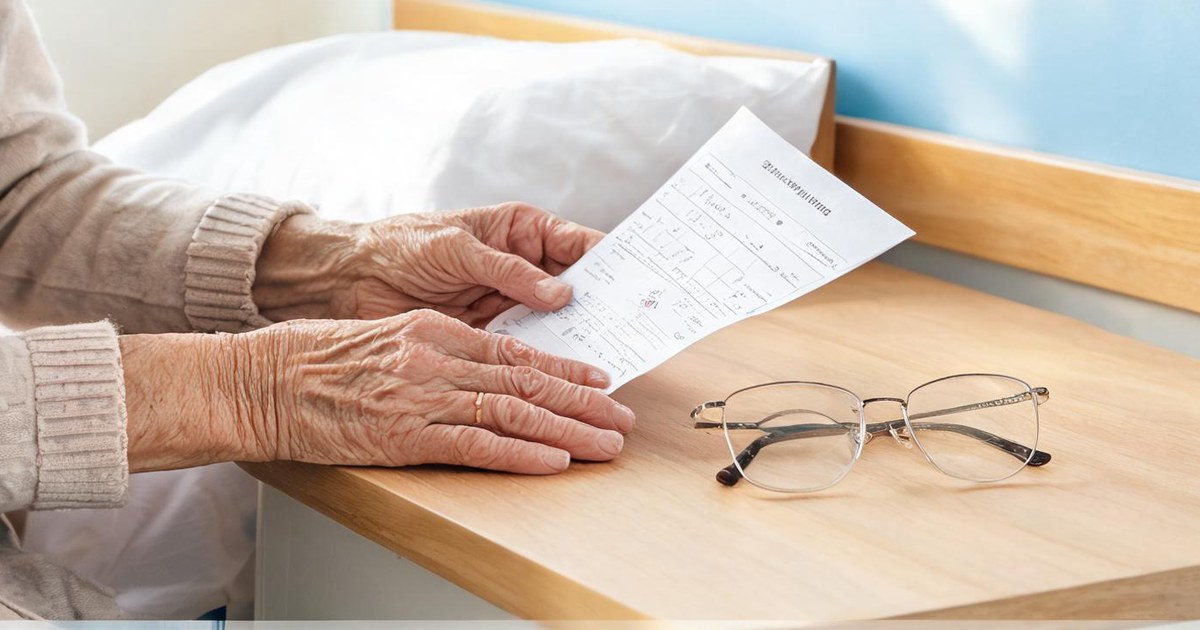
Even without new rules, costs do not end with the monthly care home bill. Krone readers shared the case of a bedridden patient in Upper Austria. On top of his bill every month: hairdresser and foot care 100 euros, telephone 10 euros, ointments the insurer does not cover 30 euros, a newspaper 45 euros.
With 200 euros left, roughly 15 euros remain for personal needs each month. Even an extra piece of fruit must be paid for, the relative writes. Families top up between 100 and 200 euros because even hygiene items run out — the home does not pay for incontinence products. The Seniorenbund senior association adds that residents always pay privately for massages, specialist visits and haircuts.
This is undignified. These people worked their whole lives for this country, and now that they need care, even more is to be taken from them. This 13th and 14th pension is money they truly need — for massages, the hairdresser, a Christmas present for a grandchild.
— Ingrid Korosec, President of the Austrian Seniors’ Association (Seniorenbund, ÖVP)
Who is in favour and who is against
The camps split inside the governing parties themselves. In favour are the Länder led by Vorarlberg: they run the care homes and carry the rising bills. Against is Ingrid Korosec, president of the Seniorenbund — notably a branch of the ÖVP itself. Social Affairs Minister Korinna Schumann (SPÖ) casts herself as a bridge-builder: she put the topic on the commission’s agenda yet promises to protect people in care rather than burden them.
The opposition rejects the plan outright. Ralph Schallmeiner (Greens) calls the patchwork across states highly unjust and demands one clear, socially balanced rule — with no Pflegeregress returning openly or through the back door. Dagmar Belakowitsch (FPÖ) would back legal changes only in favour of people in care. The official portal oesterreich.gv.at describes how care funding is shared between the federation and the states — the real question is whose share will grow.
What residents face if the Länder win
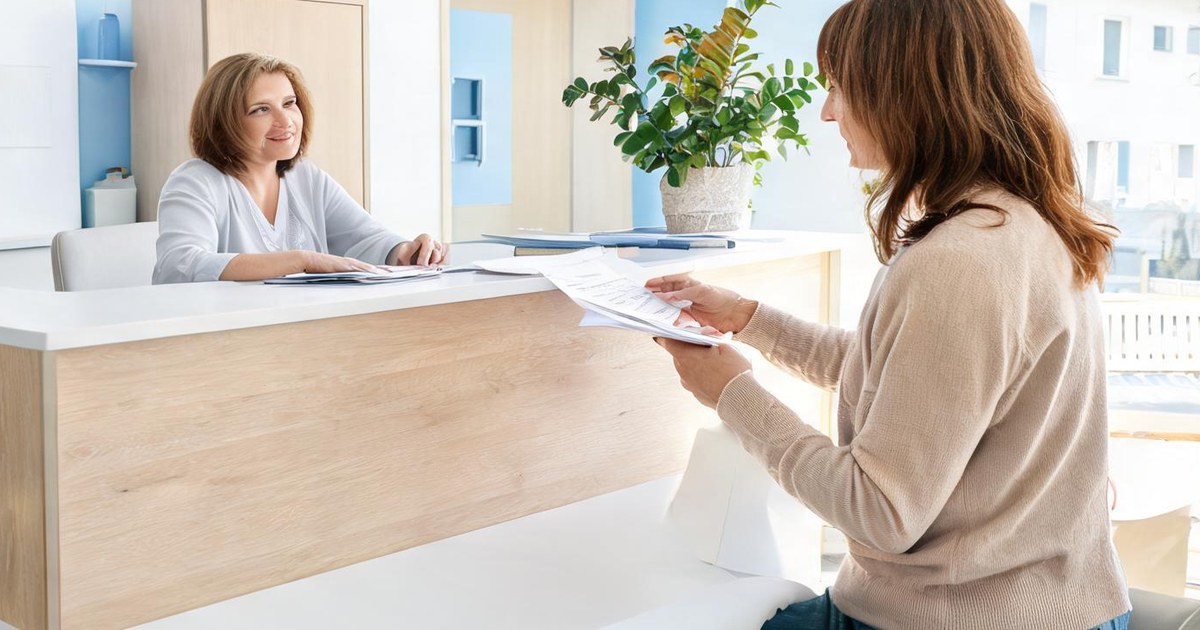
If the Länder get their way, a resident’s wallet would be squeezed three times over. The monthly pension is already counted at 80 percent, and Pflegegeld is offset against fees minus pocket money. The new rule would add the 13th and 14th pension plus all returns from savings and securities — a genuine cost shock for tens of thousands of households.
For families, this means a relative in a care home loses the living money for small everyday things. So it pays to run the family budget early. It helps to understand how the Austrian pension system works and what is allowed when working alongside a pension. If your relative is still cared for at home, check care leave — it protects the carer’s income.
Frequently Asked Questions
What are the 13th and 14th pension payments in Austria?
Two extra annual payments (Sonderzahlung): a holiday bonus in summer and a Christmas bonus in winter. For pensioners, each equals one monthly pension. Under § 105 ASVG they must be paid out without deductions.
Can a care home take the 13th pension from a resident today?
No. There is no legal basis. § 105 ASVG protects the special payments, and assets have been constitutionally shielded since 2018. The change the Länder demand has not been decided.
How high are care home costs in Austria?
Depending on the state and care level, usually 2,000 to 4,500 euros per month. Pension and Pflegegeld cover part of it, and relatives often pay the difference. Each state sets its own rates.
What is the Pflegeregress?
The seizure of assets and savings to pay for care. It was abolished in 2018 with constitutional rank. The current debate targets capital returns and special payments — critics see it as the Pflegeregress through the back door.
What comes next
The decision will be made at federal level, and it will affect tens of thousands of families. Here is what to watch:
- any change to § 105 ASVG — this is the paragraph the Länder want to rewrite;
- the positions of the Länder in the Landessozialreferentenkonferenz — they will draft any common rule;
- the new Pflegegeld amounts — they rise every 1 January.
Until then, pocket money and special payments stay with the resident. To catch every decision as it lands, subscribe to our newsletter — we explain Austrian social topics in plain language, on time.
Stay Up to Date with the Latest Austrian News
The week's top stories — news, guides, and insights about life in Austria. Every Sunday in your inbox.