Fuel price cap in force: Austria puts petrol stations under sharp control
Fuel price cap in force: Austria puts petrol stations under sharp control Austrias fuel price cap is in force: diesel and petrol fell by 6–12 cents and E-Control checks station margins. How to make sure you pay the lower price. Topics: News, Transport, Economy.
Austria’s fuel price cap — the Spritpreisbremse (literally “fuel price brake”) — has been running for more than a month, and the focus has shifted. The question is no longer whether prices fall, but whether every single pump passes the discount on to drivers. Since 1 October, diesel and petrol have dropped by 6–12 cents per litre. The margin fuel retailers may add is capped at 3.5 cents. The consumer protection state secretary has announced sharp inspections and threatened penalties for anyone who keeps the discount. The regulator E-Control tracks the prices of every station in the country. Below is how the control system works, what the brake really saves, and what to do before 30 November, when the measure expires.
How much the fuel price cap actually saves
As Krone reports, on the first day of the measure the diesel price at an OMV station in Vienna’s Heiligenstadt district fell from €2.339 to €2.239 per litre — ten cents overnight. Super petrol at the same station dropped by the same ten cents. The motoring club ÖAMTC recorded discounts of 6 to 10 cents, and up to 12 cents at some stations.
For a 50-litre tank that is roughly €5 saved per fill-up. Interestingly, the mechanism itself was valued at around ten cents: part of the effect came from an existing cut to the mineral oil tax (Mineralölsteuer), while the margin cap added 3.5 cents on top.
The discounts did not appear everywhere at the same pace. According to Krone, in many places a litre cost ten cents less — twice as much as the margin cap alone delivers. The spread has a simple explanation: stations update their price boards at different speeds, and some had already priced the cut in before the launch.
Countrywide averages look more modest than one Viennese station, but the trend is the same. We break down the day-by-day numbers in our piece on petrol prices after the launch of the brake.
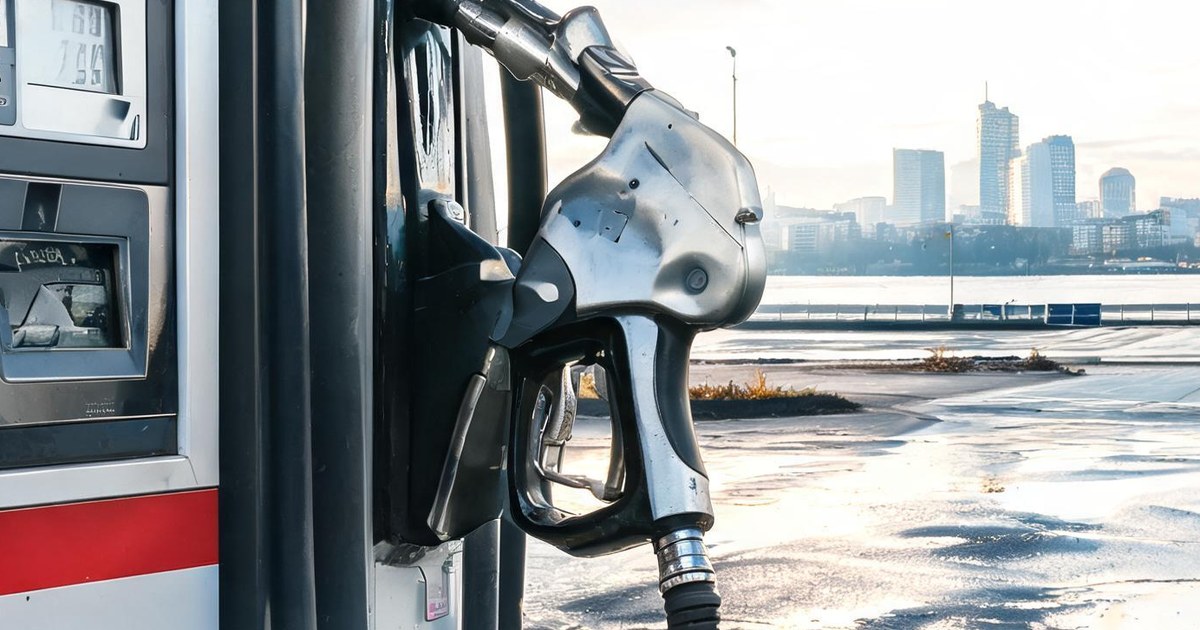
How E-Control monitors station margins
Oversight of the measure rests with E-Control, Austria’s energy regulator. It enforces the Margenbegrenzung (margin cap): after the wholesale price, a fuel retailer may add no more than 3.5 cents per litre. The official Spritpreisrechner by E-Control collects the prices of every station in the country and serves as the database for inspections.
The law had a rocky path through parliament — we covered the debate and the vote in our article on the Spritpreisbremse law. The enforcement phase has now begun. According to Krone, the government is ready to “use every legal instrument” against violations.
We passed the fuel price cap so that people pay less at the pump — not so that extra cents get stuck somewhere along the supply chain.
— Ulrike Königsberger-Ludwig, State Secretary for Consumer Protection in Austria
Her line that a “tax cut is not a gift to the mineral oil industry” has become the motto of the whole control campaign. The inspections cover not only the final price on the totem pole but every link in the chain, from refinery to retail network.
The oversight is not a one-off exercise: E-Control sees the prices of every station in the country in real time and checks them against wholesale quotations. If a price deviates, the regulator reaches for legal instruments, from correction orders to penalties. Since no authority can physically visit thousands of Austrian stations, reports from drivers themselves carry real weight.
What to do if the discount never reached your pump
Step one: compare prices before you drive. The free ÖAMTC Spritpreisrechner shows nearby stations and the spread between brands, which can reach 20–30 cents per litre. If your station’s price did not move after 1 October, photograph the price board and check it against the price history in the same tool.
Step two: report it. E-Control accepts complaints through its website, and each report triggers a margin compliance check for that station. The discount must also appear on the receipt: the pump must dispense exactly the volume you paid for.
When budgeting for a car, remember that fuel is only part of the picture. A separate line item is the vehicle tax Kfz-Steuer, which you pay regardless of pump prices.
The savings maths is simple. A car covering 1,000 km a month at 6 l per 100 km consumes around 60 litres. At a discount of 8 cents that is roughly €5 a month — a small figure, but exactly the kind that decides whether you pay the regulated price or an inflated one.
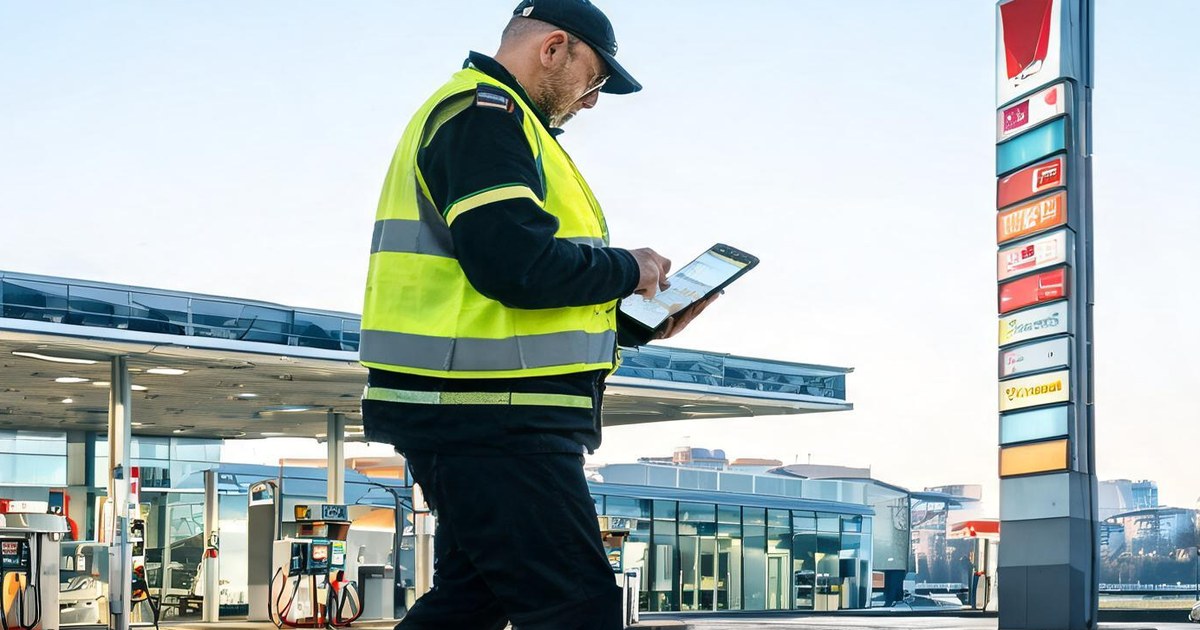
What happens to prices until 30 November
The measure runs until 30 November and is officially temporary. The macroeconomic effect is modest: the IHS institute estimates the brake will cut inflation by around 0.2 percentage points, as economics minister Wolfgang Hattmannsdorfer noted in a comment for Krone. For a household budget, however, the difference is visible at every fill-up.
After 30 November three scenarios are on the table: an extension, a switch to targeted payments, or a return to free pricing. The government has not announced its decision. The political dispute continues as well: ÖVP and NEOS voted against the margin cap, calling it market interference, while the SPÖ insisted on price control. Now that the enforcement mechanism is live, both camps have an interest in showing results.
The backdrop remains tense: European energy prices are volatile, and the full picture of heating and electricity costs is in our guide to energy prices in winter.
Frequently Asked Questions
How much does the fuel price cap really save? On the first day, between 6 and 10 cents per litre, and up to 12 cents at some stations. For a 50-litre tank that is around €5 per fill-up. The declared target of the mechanism was about 10–12 cents per litre.
Who checks that stations comply with the rules? The regulator E-Control. It verifies compliance with the 3.5-cent margin cap and uses legal instruments, including penalties, against violations.
Are stations penalised for inflated margins? Yes. The regulator has stated outright that it will “exhaust every legal option” so the discount reaches drivers. Consequences range from an order to correct the price to statutory sanctions.
What should I do if the discount did not reach my station? Compare prices via the E-Control or ÖAMTC Spritpreisrechner, photograph the price board with the date, and send a report to E-Control through its website.
Until when does the fuel price cap apply? Until 30 November. After that the government will decide between an extension, targeted payments, or a return to market pricing.
Conclusion: the remaining weeks under control
The fuel price cap has genuinely lowered prices, but its strongest ally is the driver’s own attention. E-Control’s inspections work best when car owners compare prices and report deviations. A checklist for the weeks until 30 November:
- compare prices via the Spritpreisrechner of E-Control or ÖAMTC before every fill-up;
- check that your litre costs 6–12 cents less than before 1 October;
- photograph the price board and report to E-Control if the margin looks inflated;
- count the full cost of owning the car, including taxes and insurance.
If you find these breakdowns useful, subscribe to our newsletter — the rules at the pumps may change again on 1 December, and we will cover it first.
Stay Up to Date with the Latest Austrian News
The week's top stories — news, guides, and insights about life in Austria. Every Sunday in your inbox.