Expensive winter in Austria: gas, diesel and pellets surge in price
Expensive winter in Austria: gas, diesel and pellets surge in price An expensive winter looms in Austria: gas prices have doubled, diesel could reach €3 per liter and pellets cost a third more. The crisis scenarios explained. Topics: News, Economy, Transport.
The heating season has begun, and this year’s bill could be painful. As Die Presse reports, gas prices have already doubled since the start of the year. Heating oil and wood pellets now cost roughly a third more than a year ago. At the pump, the government has stepped in with the Spritpreisbremse (a temporary fuel price brake), yet the biggest price surge may still be ahead. Investment bankers are warning of a renewed energy price crisis in Europe. This article explains the scenarios drawn up by Goldman Sachs and Oxford Economics, why Austria is especially exposed, and what households can do right now.
How expensive gas, heating oil and pellets already are
Energy prices are already far above last year’s level. A megawatt hour of natural gas — the standard unit on European energy markets — trades at around €74 on the European reference market, up from just over €30 before the Middle East war. With a lag, this feeds directly into household billing.
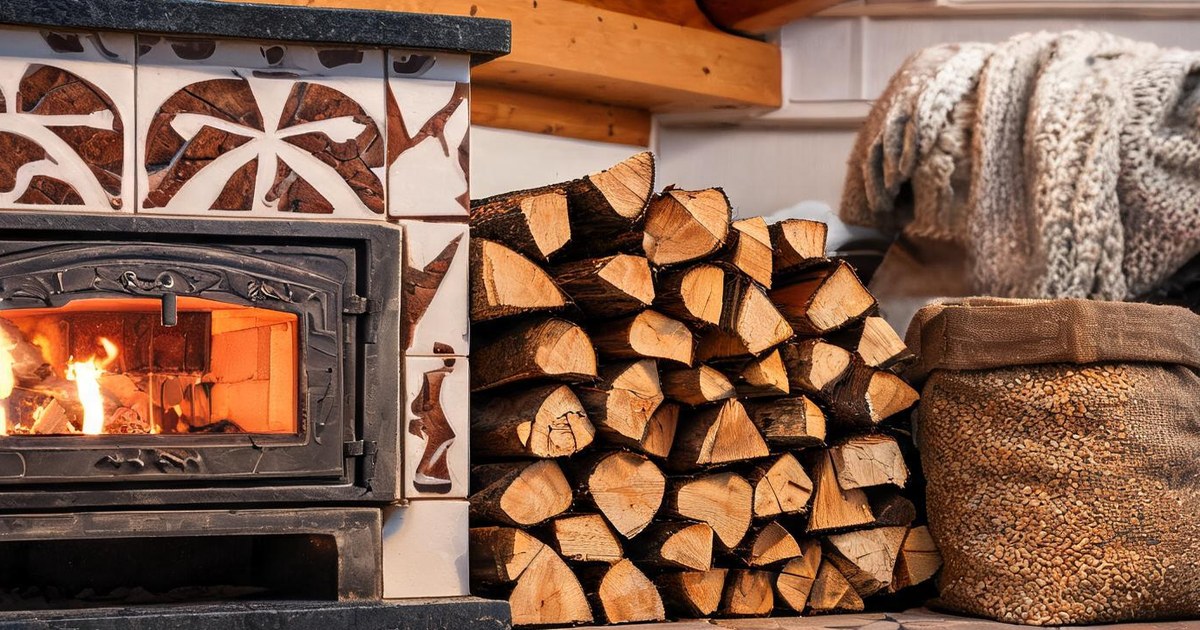
Other heating fuels look hardly better: in August, heating oil was 48.1 percent more expensive than a year earlier, according to the Austrian Energy Agency. Wood pellets, the pressed sawdust burned in pellet boilers, climbed 32 percent. Only district heating and grid electricity are holding steady for now.
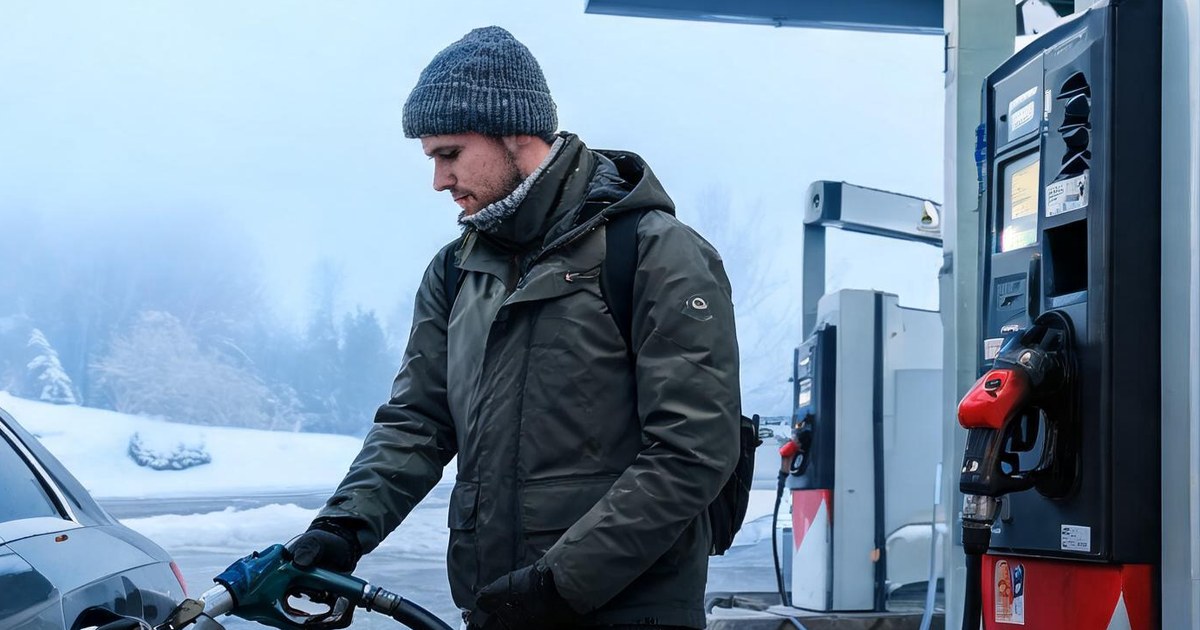
At the pump, the fuel price brake is already in force: according to the E-Control fuel price tracker, diesel cost €2.169 and petrol €1.862 per liter at the launch. We examined how much relief the Spritpreisbremse actually delivers — and who benefits most.
Why Europe’s gas storage raises the crisis risk
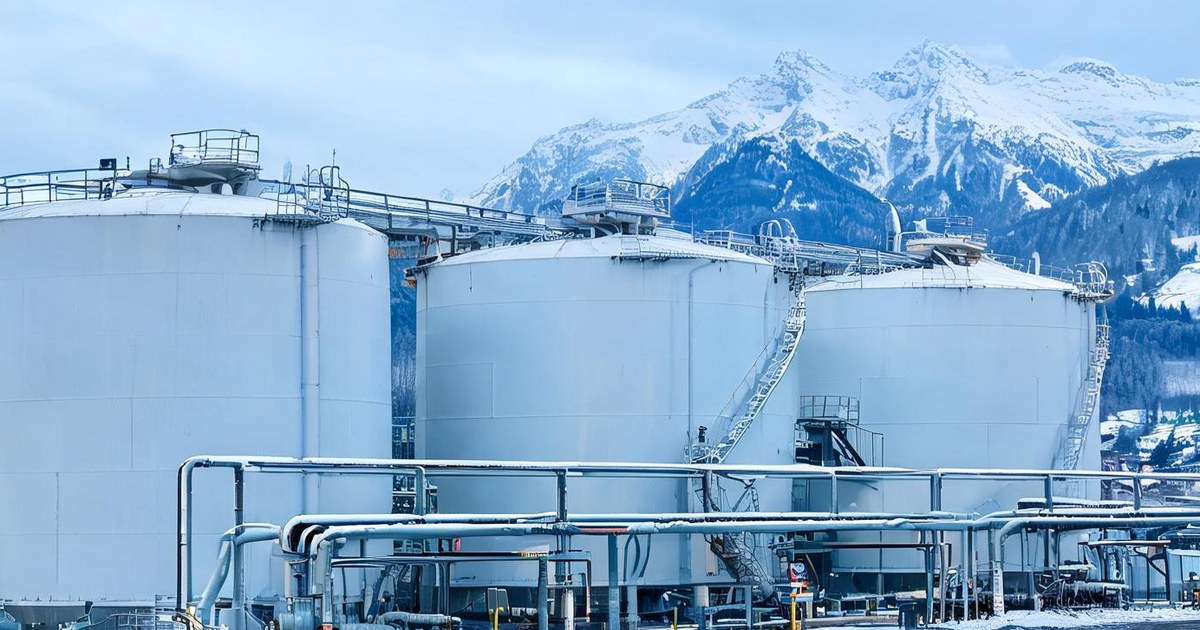
The biggest risk factor sits underground: shortly before winter, EU gas storage facilities are only 71 percent full. The five-year average is 87 percent. That gap leaves the continent exposed to every cold snap.
Austria ranks comparatively well among the member states. Europe as a whole remains vulnerable, however: according to a Goldman Sachs assessment cited by Die Presse, a single cold wave could be enough to push gas prices quickly above €100 per megawatt hour. That would be a jump of more than a third from today’s level.
This time the driver is not the war in Ukraine but the Middle East. The Strait of Hormuz, which carried a fifth of global liquefied natural gas shipments before the war, is still not freely passable. The pressure on bills now comes from America and Iran.
The diesel scenario: up to three euros per liter
The diesel market is already severely strained: wholesale diesel in Europe costs about twice as much as a year ago. The causes are global. War has collapsed oil-product exports from the Gulf states by 60 percent, according to the International Energy Agency. At the same time, Ukrainian drone strikes have so badly damaged Russian refineries that Moscow has imposed a diesel export ban.
Into this market walks Donald Trump with the idea of ending American diesel exports as well. The United States currently ships almost 2 million barrels a day — more than ever before, mostly to Rotterdam and Mexico. As Die Presse reports, Trump wants to make US fuel cheaper ahead of the midterm elections.
An export stop would be dangerous for Europe. After a wave of refinery closures, the continent produces only about 70 percent of the diesel it needs. Austria had to import 67 percent of its diesel last year. More than 38 percent of all passenger cars in Europe run on diesel, according to the analysis by Transport & Environment. Because diesel also powers tractors, construction machinery and industrial plants, a price shock would hit the entire economy — and push pump prices toward three euros per liter.
If the United States halt their diesel exports, European wholesale prices could rise by 40 to 50 percent.
— Ryan Sweet, economist at Oxford Economics
How Europe is responding to the pressure
The response is already prepared: the EU and the G7 plan to release strategic diesel reserves if Trump goes ahead with an export ban, as Die Presse reports. The move aims to calm the market before a cold wave lifts demand.
Europe also holds a counterweight: America, in turn, imports large volumes of petrol from Europe. If the EU froze its gasoline exports in retaliation, prices in the US would rise too. Still, the study by Oxford Economics concludes that Europe would be the big loser in an American export stop. Whether it comes to that remains open — Trump himself has meanwhile conceded that a ban could backfire.
What the expensive winter means for households
Around 800,000 households in Austria still heat with gas. For them, the annual bill is a familiar worry: tariffs follow wholesale prices with a delay, often not until spring. Anyone running a pellet boiler is already paying roughly a third more than a year ago.
Households on district heating and electric heating are getting off cheapest for now. Even so, operators pass on expensively purchased energy with a lag. Tenants should watch their operating-cost statement, because heating and hot water make up a large share of housing costs in Austria. The broader price drift makes it worse — we explained why services in Austria keep getting more expensive in a separate article. An energy shock would also hit the economy hard: Austria’s economy has already shrunk, and households that overpay for energy have the least buffer left.
Frequently Asked Questions
How expensive will a megawatt hour of gas get this winter?
The price currently stands at around €74 per megawatt hour. According to Goldman Sachs, a sustained cold wave could push it above €100. Households feel this with a delay on their annual statement.
Will diesel really rise to three euros per liter?
That is a worst-case scenario, not a fact. It materializes only if the United States stop diesel exports and wholesale prices jump 40 to 50 percent. For now, the fuel price brake is dampening roughly 12 cents per liter.
What does the crisis mean for pellet heating?
Wood pellets are already 32 percent more expensive than a year ago, and heating oil is up 48.1 percent. Pellet boiler owners should buy early and in larger quantities, as prices can keep climbing until the end of winter.
What is the government doing about rising energy prices?
The fuel price brake caps pump prices nationwide. At the EU level, strategic diesel reserves have been earmarked for release in case of a US export stop. Whether extra heating-cost subsidies will follow has not yet been decided.
How to prepare for the expensive winter
An expensive winter in Austria is not inevitable, but the risks are real: gas prices on a doubling streak, diesel at €3 in the worst case, and pellets a third above last year. Your checklist for the coming weeks:
- Check your annual bill: compare your gas and electricity tariff with current offers and switch provider if needed.
- Stock up early: for pellets and heating oil, buying before the next cold wave pays off.
- Adjust your heating: every degree lower in room temperature cuts consumption by roughly six percent.
- Compare filling stations: the fuel price brake does not lower prices equally everywhere.
Stay informed: subscribe to our newsletter and read our latest report on why fuel prices are falling right now. Knowing the scenarios lets you make heating and buying decisions with a cool head — and this year that matters more than ever.
Stay Up to Date with the Latest Austrian News
The week's top stories — news, guides, and insights about life in Austria. Every Sunday in your inbox.