Orlen Enters Austria: What the Polish Energy Giant Plans for Turmöl
Orlen Enters Austria: What the Polish Energy Giant Plans for Turmöl Polish energy giant Orlen is stepping into the Austrian market under its own name. What that also means for 260 Turmöl stations, fuel prices and drivers. Topics: News, Economy, Transport.
The name Orlen towers over thousands of filling stations in Poland, Czechia and Germany. In Austria, until now, only sports fans recognised it — through the Linz Half Marathon or the Four Hills Tournament, which kicks off at the Orlen Arena in Oberstdorf. Yet the Polish energy giant has been operating in the country for a while: the discount fuel brand Turmöl has belonged to this very group since early 2024. Now Orlen wants to show up in Austria under its own name, as Die Presse reports. The more than 260 Turmöl stations will stay as they are for now. The real questions sit behind the scenes: how closely is the group tied to Polish politics? And what does its arrival mean for fuel prices? This article answers the key questions about Orlen in Austria.
Why Orlen in Austria has stayed invisible so far
The story starts with an acquisition. Turmöl was the filling-station brand of Upper Austrian Doppler Group based in Wels, which also ran the Turmgas, Turmstrom and Austrocard brands. After the cooperation with bp ended in 2021, the group switched its own stations to Turmöl. In December 2023, Doppler then announced the sale of the entire network to the Polish group, as Der Standard reported.
By early 2024 the deal was closed. As ORF Upper Austria reported, 267 Turmöl stations changed hands to Orlen. In a company press release, the group spoke of 100 percent of Doppler Energie GmbH and a network that grew to almost 3,500 stations across seven European countries. The Turmöl brand survived the takeover untouched. That is exactly why one of Eastern Europe’s largest energy groups by revenue remains an unknown name to most drivers here.
What Orlen plans for the 260-plus Turmöl stations
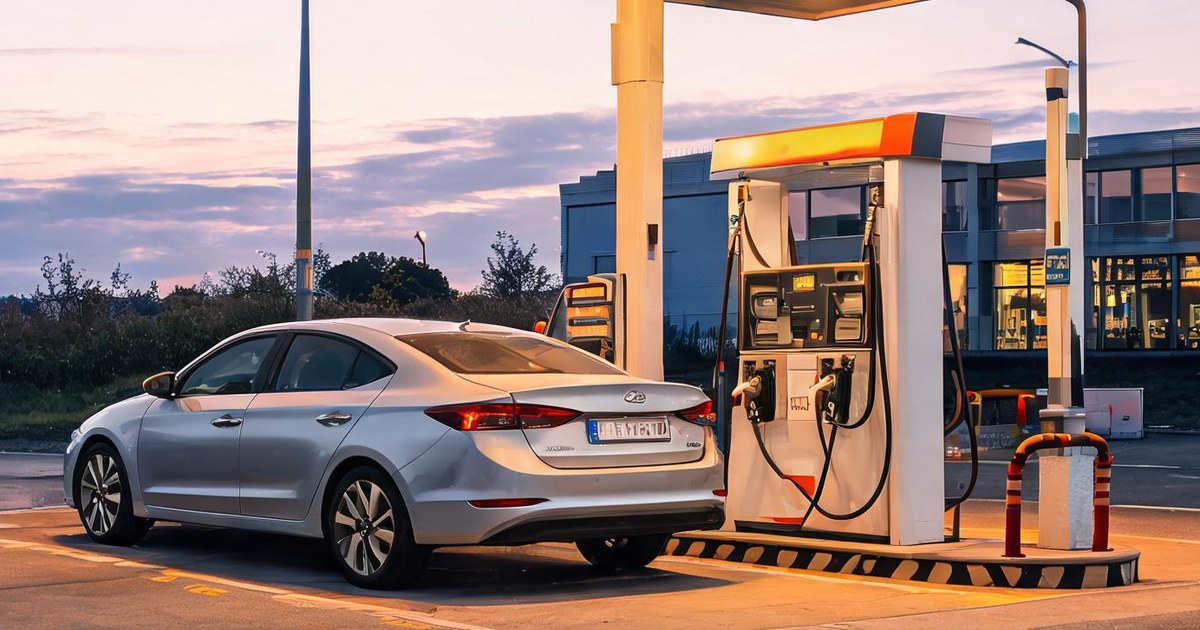
The stations keep trading as Turmöl for now. Jürgen Stichenwirth, who runs the group’s Austrian business, confirmed this in an interview with Die Presse. A rebranding of the whole network is not planned, though he does not rule out individual stations appearing under a new name. First, the Orlen brand needs to settle into drivers’ minds.
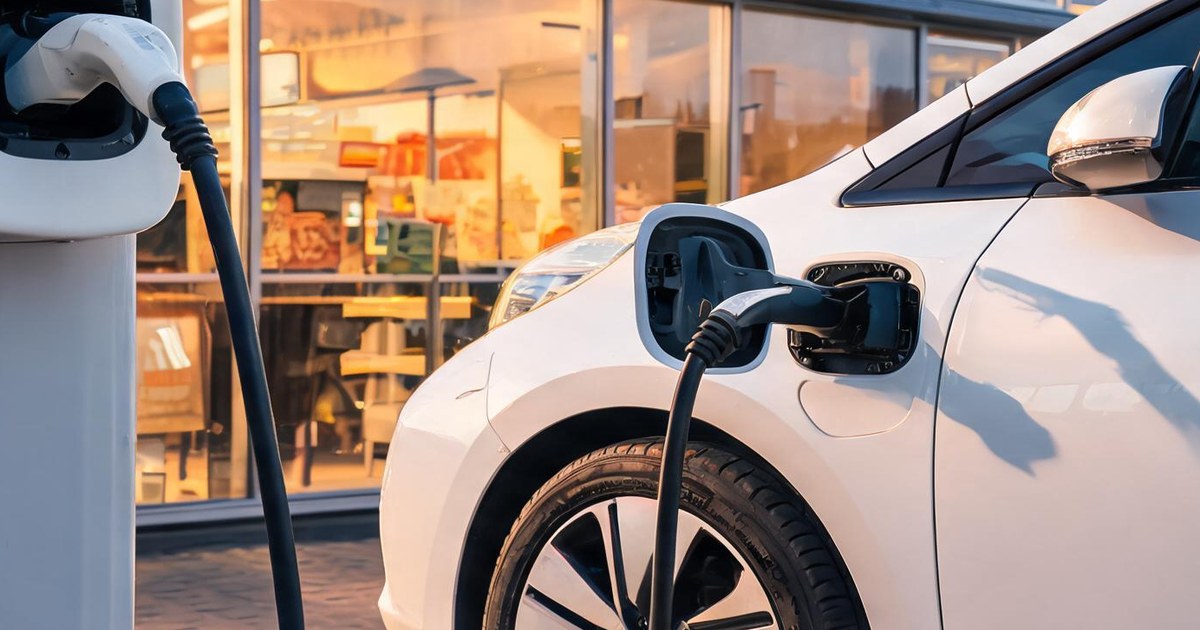
To get there, the group leans on sports marketing and partnerships. The sites themselves are being upgraded at the same time: around 40 Turmöl locations already offer charging points, and the group’s charging network, Orlen Charge, is set to arrive in Austria soon. Extra services such as shops, parcel lockers and car washes are also on the table, as kosmo.at reports. Whether every station will eventually fly the Orlen flag remains undecided.
Timing plays a role here too: an estimated 600 of almost 2,700 filling stations in Austria could disappear in the coming years. Electric cars spend far more time plugged in than petrol cars spend at the pump. Orlen wants to turn that waiting time into extra revenue — including with chargers outside its own network, the so-called destination charging.
If we enter the market as a brand — and we will — we have to do it carefully.
— Jürgen Stichenwirth, Head of Orlen’s Austrian business
A group that swaps its leadership with every Polish government
Orlen is not a normal company. It is listed on the Warsaw stock exchange, and almost 50 percent of its shares belong to the Polish state. Every change of government has so far been followed by a change at the top of Orlen, explains Bartłomiej Biga of the Jagiellonian University. The pattern goes back to the early 2000s and held under left-wing and right-wing cabinets alike. Former chief Daniel Obajtek, who led the group under the national-conservative PiS government, now sits in the European Parliament for that party.
What is striking is how stable the strategy has stayed through all these leadership swings. By 2035, Orlen plans to invest 350 to 380 billion złoty (roughly 79 to 86 billion euros) in renewables, energy storage, small modular reactors and carbon capture technologies. The classic oil and gas business remains essential and is meant to fund most of these investments. In summer, the share price hit an all-time high.
Yet the closeness to politics carries risks. Several former Orlen managers are currently under investigation over suspicions that they artificially kept fuel prices low before the parliamentary election, causing billions in damage to the company. The former leadership denies the allegations and points to exchange rates and wholesale prices. The presumption of innocence applies. Experts also warn that the state could turn Orlen into an instrument of its energy policy.
What the Orlen plans mean for fuel prices in Austria
For drivers, the price question comes first. Here Orlen stays quiet: the group has promised neither lower fuel prices nor any concrete new offers. Price discussions are simply not happening yet.
Austria’s own Spritpreisbremse — the state-imposed cap on fuel retailers’ margins — drew sharper words from Stichenwirth. The mechanism was tightened in early October, after parliament passed the enabling law, as we covered in our report on the Austrian fuel price cap law. State intervention in margins is deeply problematic, he argued. Calculating daily average prices for 260 stations also creates significant administrative effort. Still, he prefers the Austrian model to a hard price cap such as Germany’s. The domestic mechanism saves drivers up to 12 cents per litre — we showed how prices reacted in our piece on falling fuel prices, and how enforcement works in practice in our review of margin checks.
His view of motorway prices is grim: given the rises since the Iran conflict began, a diesel litre at motorway stations could “one day start with a three”. For household budgets, every increase hits twice. Our analyses of winter energy prices and the gas price shock in Austria show where that bites hardest.
What Austrian drivers can expect next
Orlen’s brand offensive will not change the routine at the pump overnight. But it shifts forces in a market that is under pressure anyway. The key points:
- Turmöl stays: the more than 260 stations keep trading under the familiar brand for now.
- A careful brand launch: sports marketing and cooperatives instead of a fast rebrand.
- New services: Orlen Charge brings extra chargers, plus shops, parcel lockers and car washes.
- No price cuts promised: the group has not announced any cheaper fuel offers.
- Political proximity: Orlen swaps its leadership with every Polish government — yet the strategy has stayed stable.
Austrian drivers have seen this movie before: bp put its entire gas station business up for sale, and brands changed hands while prices barely moved. To keep up with fuel and energy costs, subscribe to our newsletter — and be the first to know when the red eagle really lands at Austrian filling stations.
Frequently Asked Questions
Will the Turmöl brand survive? Yes. A rebranding of the whole network is not planned, according to Austria chief Jürgen Stichenwirth. He does not rule out individual stations switching to the Orlen name, though.
When will real Orlen filling stations appear in Austria? The group names no date. The brand presence is meant to start carefully — first through sports marketing and awareness, then possibly with selected redesigned stations.
Will Orlen lower fuel prices in Austria? There are no announcements to that effect. The group has promised neither price cuts nor new discount offers.
What is Orlen Charge? The group’s charging network, which is set to arrive in Austria. It will add public charging points for electric cars — at filling stations and, in the future, beyond the network.
Stay Up to Date with the Latest Austrian News
The week's top stories — news, guides, and insights about life in Austria. Every Sunday in your inbox.