
ZIVA civil protection app: how prepared are you for an emergency?
ZIVA civil protection app: how prepared are you for an emergency? ZIVA, the new Austrian civil protection app: personal risk assessment, real-time warnings and action plans for blackout, flood and storms. How it works. Topics: News, Politics, Technology.
Do you own a battery-powered radio? Do you have bottled drinking water stored away? Have you agreed on a meeting point with your loved ones if mobile networks collapse? These are the questions the new Austrian civil protection app asks — and many users get an unpleasant answer. Austria’s Interior Ministry and the Zivilschutzverband (Civil Protection Association) have presented ZIVA, described as the first app in Europe that combines a personal hazard assessment, individual prevention recommendations and real-time warnings. Here is what the app can do, which data it collects, how it behaves during a blackout, flood or severe weather — and what you should fix in your own household today.
What the ZIVA app does and how it differs from AT-Alert
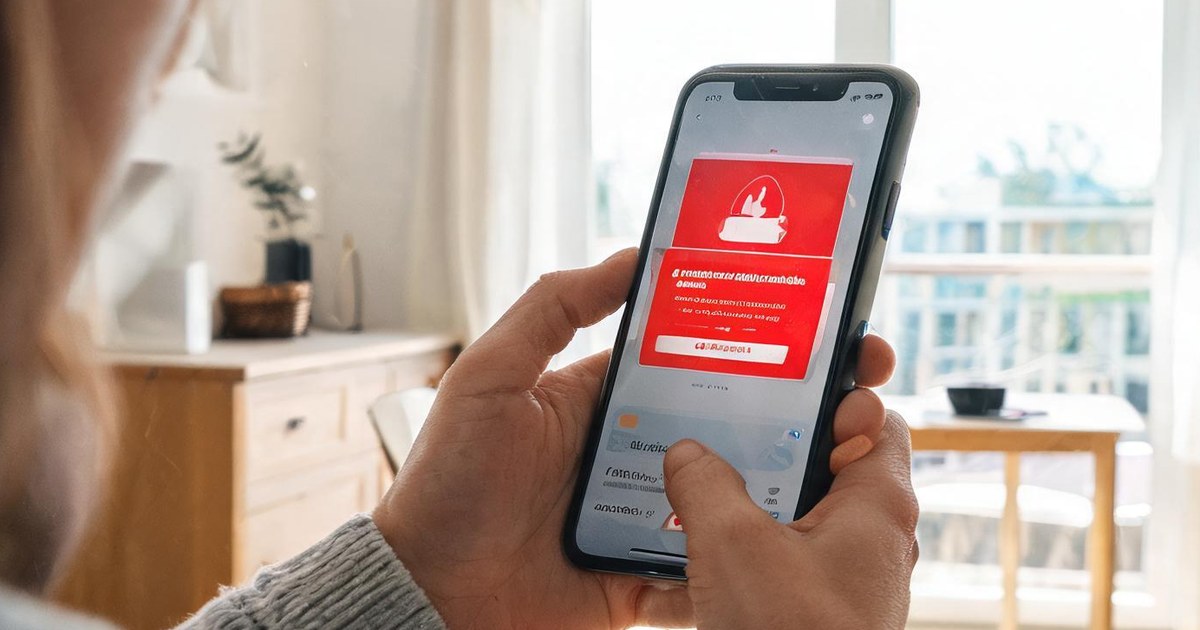
ZIVA is a free civil protection app that warns you about your personal danger situation: severe weather, fires, power outages, blackouts or elevated radiation levels. Every warning arrives as a push notification and comes with immediate instructions on what to do. The core idea is a risk assessment for your exact address, not a blanket signal for everyone.
That differs fundamentally from the existing AT-Alert system. AT-Alert sends warnings via Cell Broadcast to every phone in an affected area — no registration, no app required. It complements Austria’s 8,300 civil protection sirens, which have existed in every municipality for over 30 years. ZIVA adds a personal layer on top: an individual threat analysis and the ability to subscribe to multiple locations at once — home, weekend house, workplace, childcare.
How it works: address in, personal emergency plan out
The logic is simple. You feed the app the addresses that matter to you: your home, a secondary residence, your workplace, your children’s daycare. Then you add household details — house or apartment, gas or pellet heating. Based on this, ZIVA analyses which hazards are most likely for your situation and builds individual checklists, both for long-term preparation and for the acute emergency itself.
One practical example: selecting the heavy rain scenario returns a concrete action list. Do not enter basements or underground garages, avoid lifts, stay away from open terrain and keep your distance from power lines. The app does not just announce bad weather — it answers the question “what should I do right now”, as Die Presse reports.
Who built the app and when it will be fully released
The Interior Ministry commissioned the app; the Civil Protection Association developed it. The project was shaped in workshops with 120 organisations — from GeoSphere Austria, the Red Cross and the Samaritan Association to fire brigades and water rescue services. Science was on board too, including the DCNA, the University of Natural Resources (BOKU Vienna) and the Vienna University of Technology.
Development started in autumn 2022, and the project received its funding once the law supporting rescue and civil protection organisations came into force in early 2024. The app can be downloaded now, but it is in a test phase: after the first feedback and revisions, the full version goes live in September. Until then, ZIVA effectively runs in beta, with features expanding based on user input.
What the app advises for blackouts, floods and storms
ZIVA addresses three everyday fears of Austrian households. In severe weather, it delivers current warnings and behaviour rules: stay out of basements, avoid open ground, keep away from power lines. In flooding, it offers household preparation and acute measures — the 2024 floods in the Tulln Basin were one of the project’s motivations. In a blackout, it walks you through a household plan covering heating, communication and supplies — the winter grid scenarios we examined in our energy price overview.
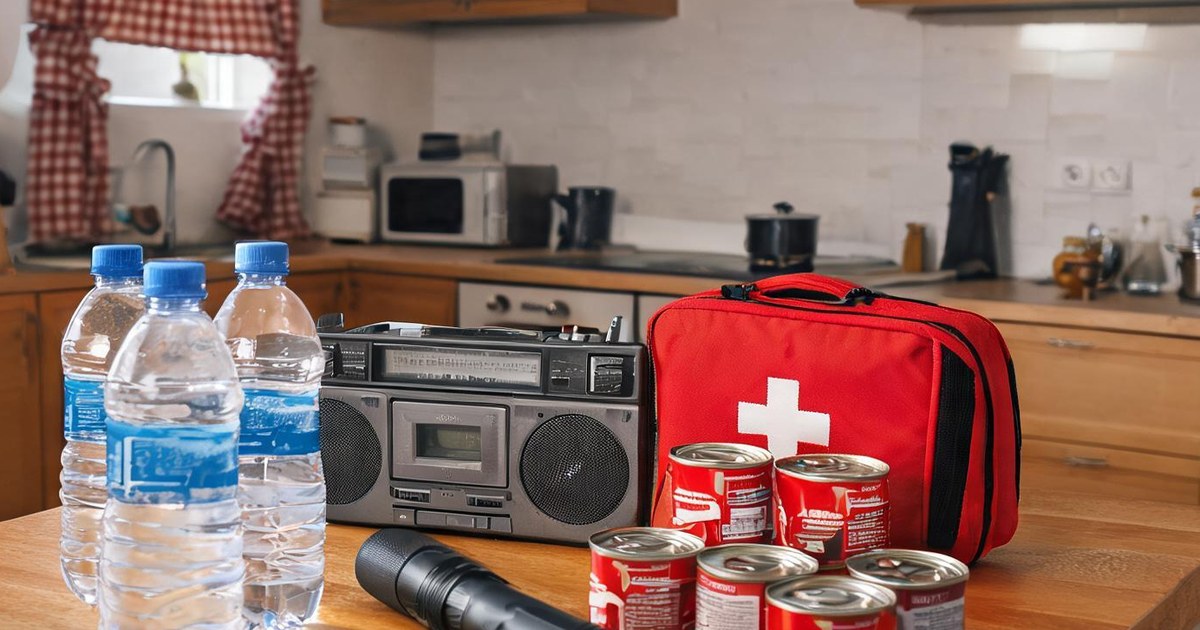
The classic recommendation of the Zivilschutzverband still stands: a household should survive on its own for 14 days — water reserves of roughly 3 litres per person per day, long-life food, a battery radio and a flashlight. ZIVA turns this advice into an interactive checklist with progress ticks — check one item, the next one opens.
This is the first app in Europe that combines hazard assessment, individual prevention recommendations and real-time warning messages.
— Gerhard Karner, Austrian Interior Minister
An honest look: what the app cannot do yet
The first impression of ZIVA is positive, as Die Presse notes: low threshold, friendly design, clear menus. Until September, however, the app resembles a “Wikipedia for emergencies” with countless checklists — more of a manual than a live warning system.
The decisive question is how ZIVA performs in a real crisis, when thousands of users try to get information at the same time. If the mobile network is overloaded or down, no push channel will help — and that is when stockpiles and family agreements matter more than any app. Grid overload is a familiar Austrian scenario: our article on 40-degree summers in Austria shows how the infrastructure behaves on peak days, and our piece on emergency services in Austria explains how responders work. Treat ZIVA as a complement to sirens, AT-Alert and radio, not as a replacement. Current official warnings are always visible on the warnungen.at-alert.at portal.
Frequently Asked Questions
What is the ZIVA app in simple terms? It is Austria’s official civil protection app. It assesses risks for your address, sends emergency warnings with instructions, and builds a personal preparedness checklist for your household.
Is ZIVA free and when does the full version arrive? The app is free and available now in a test phase. The full version launches in September after the first user feedback has been processed.
How is ZIVA different from AT-Alert? AT-Alert uses Cell Broadcast: warnings reach every phone in the affected area without registration. ZIVA is an app with a personal risk assessment and checklists. The two systems complement each other.
Which data does the app collect? Addresses of your home, workplace or daycare, plus general household details: house or apartment, heating type. The personal hazard assessment is built from this data.
What comes next
ZIVA does one important thing: it turns the abstract “be prepared” into a concrete personal plan — for your address, your home and your family. The test phase rewards those who start now. Five steps can be done today:
- Download ZIVA and enter your addresses — the app builds your personal recommendations for you.
- Battery-powered radio — authorities repeat orders over the airwaves if phone networks and internet fail.
- Light without electricity: flashlights, candles and spare batteries, stored where every family member knows.
- Water and food for 14 days: roughly 3 litres of water per person per day, plus canned food and staples.
- A meeting point for the family if mobile networks are down, and a paper list of important phone numbers.
Long-term apartment preparation goes beyond stockpiles — our guide on preparing your home for heat and power cuts covers the details. For regular, plain-language breakdowns of Austrian rules and everyday life, subscribe to our newsletter: short, practical and panic-free.
Stay Up to Date with the Latest Austrian News
The week's top stories — news, guides, and insights about life in Austria. Every Sunday in your inbox.