Cheap electricity only for secure jobs: Austria's power price plan explained
Cheap electricity only for secure jobs: Austria's power price plan explained Cheap electricity in Austria: 5-cent power for industry, but only with job guarantees. What the Strompreis deal means for households in the coming winter. Topics: News, Economy, Politics.
Austria’s government is preparing an unusual trade: cheap electricity for industry, but only in exchange for guaranteed jobs. At the same time the coalition argues about a price brake for households, and the country watches its gas storage facilities, which are filled worse than a year ago. As Krone reports, the Federal Chancellery is once again haggling, swapping one measure for another. In this article we break down what is in the government’s energy package, why the parties cannot agree, and how electricity pricing actually works. We also explain what all of this means for your bills this winter.
What the government plans: cheap electricity in exchange for jobs
Back in spring, the governing parties announced two measures at once. Industriestrom (subsidised industrial electricity) means a tariff of 5 cents per kilowatt-hour on part of the consumption of energy-intensive companies, as Krone reported in the original announcement. The second measure is the Strompreisbremse (electricity price brake): 10 cents per kilowatt-hour on basic household consumption, but only during a price crisis, as announced alongside it.
A cabinet decision on both measures is expected at the next Ministerrat (cabinet meeting). Negotiators worked intensively in the days before, because the details are still not settled. Unlike the fights over the climate law and drought aid, negotiators promise a “constructive” tone this time. The disagreements inside the coalition, however, remain serious.
Job guarantees: the sticking point for the coalition
The novelty of the current bargaining is a demand from the Social Democrats. The SPÖ insists on a Jobgarantie (job guarantee): a company that receives cheap industrial power should not cut its workforce. Layoffs would be banned or allowed only in minimal numbers. The subsidy thus becomes a social contract rather than a plain gift to business.
The economic wing of the ÖVP and the liberals of NEOS object: staffing obligations put an extra burden on companies. Critics also dislike the price brake itself, the flagship project of the SPÖ. Reality, though, is stronger than ideology. Power prices are set to climb again before winter, and Austrian industry has already been bleeding jobs — we covered the loss of 120,000 industrial jobs earlier. A compromise is slowly taking shape.
Why electricity prices in Austria are so high
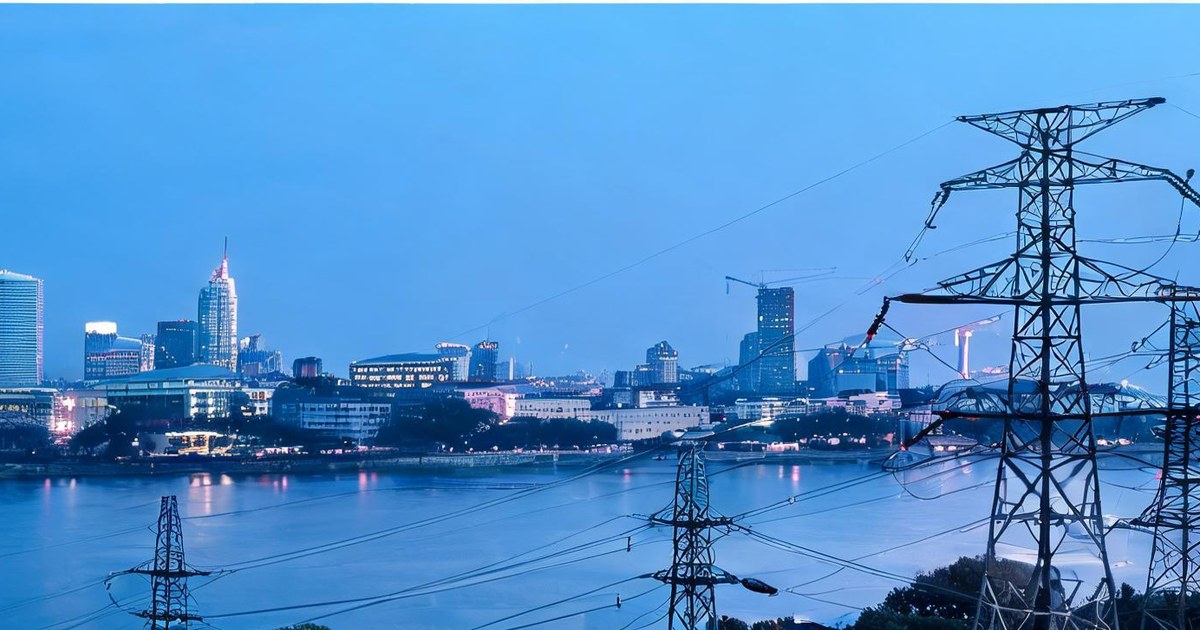
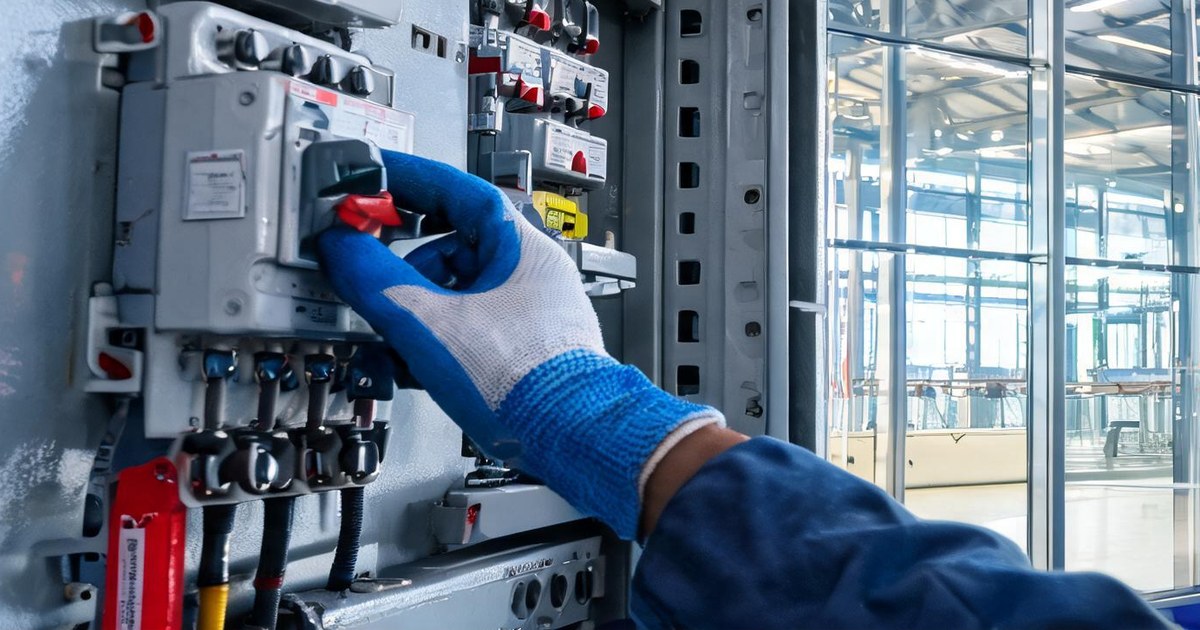
The main culprit behind expensive electricity is the Merit-Order-Prinzip (merit-order pricing principle). The market price is set by the most expensive generator still needed to meet demand — usually a gas-fired plant. Even cheap Alpine hydropower is therefore sold at the price of gas.
As Krone notes, citing the Wifo institute, roughly half of all annual consumption hours in Austria are priced through gas. Energy expert Walter Boltz calculates that gas at 80 euros per megawatt-hour means electricity at 160–180 euros per megawatt-hour. And energy prices are expected to keep rising, not least because of the tension around the Strait of Hormuz. The result, economists warn, is inflation above the forecast 3% this year.
For us, this is not a good regime. Upward spikes in the gas price must be decoupled from the electricity price.
— Gabriel Felbermayr, Director of the Austrian Institute of Economic Research (Wifo)
Expensive energy hits the whole economy: GDP shrank again by 0.1% in the second quarter, and officials name energy costs as one of the reasons. The subsidised Industriestrom is therefore an attempt to keep factories in Austria while the pricing reform remains unsolved.

Gas storage is filled worse than a year ago
Alongside the tariff dispute, politicians are discussing gas. According to AGGM transparency data, storage facilities are 67.1% full — a year ago the figure was 82.5%. The gap is significant, and it feeds the headlines about winter risks.
Economics and Energy Minister Wolfgang Hattmannsdorfer (ÖVP) sees no reason to panic. The reasons for the gap are mundane: after a cold winter, more gas was withdrawn from storage, and high prices plus uncertainty make operators cautious about injecting new volumes. Austria operates some of the largest storage capacity in Europe — roughly 120% of its annual consumption. The current stock equals about 87% of annual consumption, so the minister insists the country is well prepared for winter.
For households, something else matters more: full storage does not mean cheap tariffs. Gas is already noticeably more expensive than a year ago, as we explained in our gas price shock breakdown. The scenario of an expensive winter with pricier diesel and pellets remains intact.
The electricity price brake: what households get
The second half of the package is the Strompreisbremse (electricity price brake). Households are promised 10 cents per kilowatt-hour on basic consumption, but the mechanism is activated only during a price crisis. That is a key difference from the fuel measure: the petrol and diesel price brake is already in force, while the electricity version is still sitting in a drawer.
The economic wing of the ÖVP dislikes the brake, but burying it before winter is politically difficult. For readers, the practical takeaway is simple: if wholesale prices spike again, the subsidy will be activated faster. The difference on your bill can be noticeable — we have already shown why Austrian customers overpay for energy under supplier tariffs.
Frequently Asked Questions
What is the Jobgarantie in Austria’s government plan? It is the SPÖ demand to tie cheap industrial power to job security. A company receiving the subsidised 5-cent tariff must not cut jobs, or may only cut them minimally.
When will cheap electricity for industry become reality? A decision is expected at the Ministerrat (cabinet meeting) after intensive negotiations. The law then has to pass parliament, so the tariff start should be measured in weeks and months.
Will ordinary households get cheap electricity too? The flat 10-cent tariff (Strompreisbremse) is activated only during a price crisis. As long as prices rise gradually, no automatic relief will appear on your bill.
Is Austria’s gas supply secure for winter? The ministry considers stocks sufficient: about 87% of annual consumption is in storage, and capacity equals 120% of annual demand. Still, filling levels are below last year, and the winter will be more expensive.
What households can do right now
The bottom line: cheap electricity in Austria is becoming a bargaining chip, with subsidies for industry traded for job guarantees. Households will not receive direct payouts yet, but the price brake is being kept ready. What you can do today:
- check your current tariff with your supplier and compare it against market offers;
- follow the Ministerrat decision — if the Strompreisbremse is activated, it will cover basic consumption;
- budget for higher gas and electricity bills this winter;
- subscribe to our newsletter so you do not miss the launch of any subsidies.
The politics of expensive energy will get louder this winter. Whoever understands the rules earlier pays less.
Stay Up to Date with the Latest Austrian News
The week's top stories — news, guides, and insights about life in Austria. Every Sunday in your inbox.