Gas Price Shock: Why Austrian Households Are Paying More
Gas Price Shock: Why Austrian Households Are Paying More Gas price shock in Austria: wholesale gas has more than tripled from under 30 to around 100 euros per megawatt hour. Here is when your household bill rises. Topics: News, Economy, Politics.
Wholesale natural gas prices in Europe have more than tripled since the Middle East war began. Before the conflict, a megawatt hour cost under 30 euros — now it trades around 100 euros. The drivers are the war with Iran and the blockade of the Strait of Hormuz, which carried a fifth of global liquefied gas shipments before the war. For Austrian households this means higher bills for heating and hot water, though with a delay of several months. Suppliers do not adjust tariffs daily, so the spike reaches your annual statement later. We covered the broader scenarios in our article on energy prices in Austria. Below is where the gas price shock came from, who pays first, and what you can do right now.
Wholesale gas has more than tripled
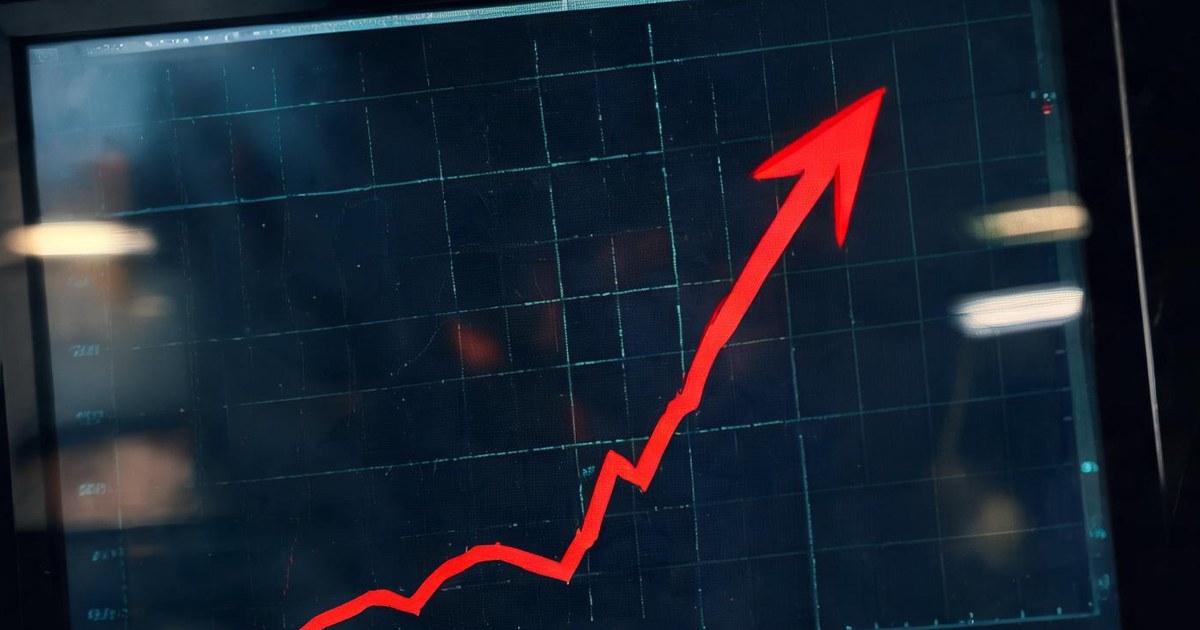
The wholesale gas price (Großhandelspreis — the exchange price suppliers pay for bulk deliveries) climbed from under 30 euros to roughly 100 euros per megawatt hour. As Die Presse reports, the price still stood near 74 euros in October, against just over 30 euros before the war. The Goldman Sachs warning has come true: the bank expected a cold snap to push the price above 100 euros — the market is at that level already.
The cause is geographic. The Strait of Hormuz connects the Persian Gulf to world markets, and it remains impassable for shipping. Before the war, roughly one fifth of global liquefied natural gas passed through it. The blockade hit Europe as a whole: LNG has become scarce, and buyers pay a premium for every cargo.
If the situation in the Middle East stays tense, even a single cold snap in Europe will be enough to push prices rapidly above one hundred euros per megawatt hour.
— Investment bank Goldman Sachs, autumn 2026 forecast
Why your household bill rises with a delay
About 800,000 households in Austria heat with gas. For them, the wholesale spike has not yet turned into an immediate tariff increase. Suppliers buy gas in advance and reprice residential customers with a lag — usually once a year.
The mechanism is simple. Every month you pay an advance (Abschlag — a fixed monthly payment to your supplier). Once a year the final statement arrives (Jahresabrechnung — the annual reconciliation based on actual consumption). When purchase prices rise, the supplier first raises the advance. So a wholesale price of 100 euros per megawatt hour reaches your wallet within months, not days.
What the price spike means for renters
Renters will feel the gas price shock through utility surcharges. Nebenkosten (operating costs paid on top of rent) include heating and hot water. These amounts are reconciled once a year, so the 2026 increase will appear in your next statement.
Landlords pass higher gas costs into operating costs almost in full. House owners with their own gas boiler pay the supplier directly. Even district heating (Fernwärme — centralized heating from city power plants) buys gas on the same market, so no heating type is protected. Heating and hot water are a significant share of housing costs in Austria, and this spike adds pressure.
How the state and the market are responding
At petrol stations the Spritpreisbremse (“fuel price brake” — a temporary cap on petrol and diesel prices) is already in force. According to the E-Control fuel price calculator, diesel cost 2.169 euros and petrol 1.862 euros per litre when the measure started. We looked in detail at why fuel prices are falling right now.
The pressure on the fuel market has not gone away. As Die Presse writes, Donald Trump is discussing curbs on American diesel exports — which keeps the risk of another pump price spike alive. For a gas bill this is background noise rather than the main risk: gas gets expensive directly from the strait blockade.
For gas there is no separate price cap. At EU level, releasing strategic reserves is being discussed to calm the market before the peak of winter. Some analysts warn the energy shock will slow an already weak economy: Austrian GDP was already shrinking in the second quarter. For households this means one thing — do not expect quick compensation.
What households can do right now
You cannot cancel the gas price shock, but you can soften the bill. First: check your current advance payment (Abschlag) and compare tariffs from other suppliers while the market is being reshuffled — gaps between tariffs run into double-digit percentages. Second: lower your room temperature — each degree less saves about six percent of consumption. Third: check for overpayments on old statements — we wrote about how customers in Austria overpay for energy.

Frequently Asked Questions
When will the gas price increase reach my bill?
With a delay of several months. The supplier first revises the monthly advance, then the annual statement shows the actual reconciliation. The exact timing depends on your contract and its adjustment cycle.
How much will my gas bill grow?
The exact amount depends on consumption and tariff, but the benchmark is clear: the wholesale price more than tripled, from 30 to 100 euros per megawatt hour. Suppliers will smooth part of the increase with earlier purchases, yet the direction is one — up.
Why does gas get expensive because of the Middle East if Austria imports it from elsewhere?
Austria and Europe buy gas on a single exchange market. The Strait of Hormuz blockade cut global LNG supplies, and buyers shift to the same sources that feed Austria. Scarcity raises the price for every buyer in Europe at once.
Does the fuel price brake at petrol stations help my gas bill?
No. The Spritpreisbremse caps only petrol and diesel prices. For residential gas there is no comparable price cap in Austria at the moment.
What to do next
The gas price shock is not a one-day story but the backdrop for the whole winter: wholesale prices near 100 euros per megawatt hour, with cold snaps adding volatility. Your short checklist:
- Check your advance payment: compare your monthly payment with actual consumption and with competitors’ tariffs.
- Lower the temperature: each degree down saves roughly six percent of gas.
- Check for overpayments: old statements may hide refunds owed by your supplier.
- Watch the annual statement: it will reveal the true size of the gas price shock.
Stay informed: subscribe to our newsletter — we track tariffs, compensation schemes and the energy market in Austria every week. The earlier you check your tariff, the less the next annual statement will punish you for inattention.
Stay Up to Date with the Latest Austrian News
The week's top stories — news, guides, and insights about life in Austria. Every Sunday in your inbox.