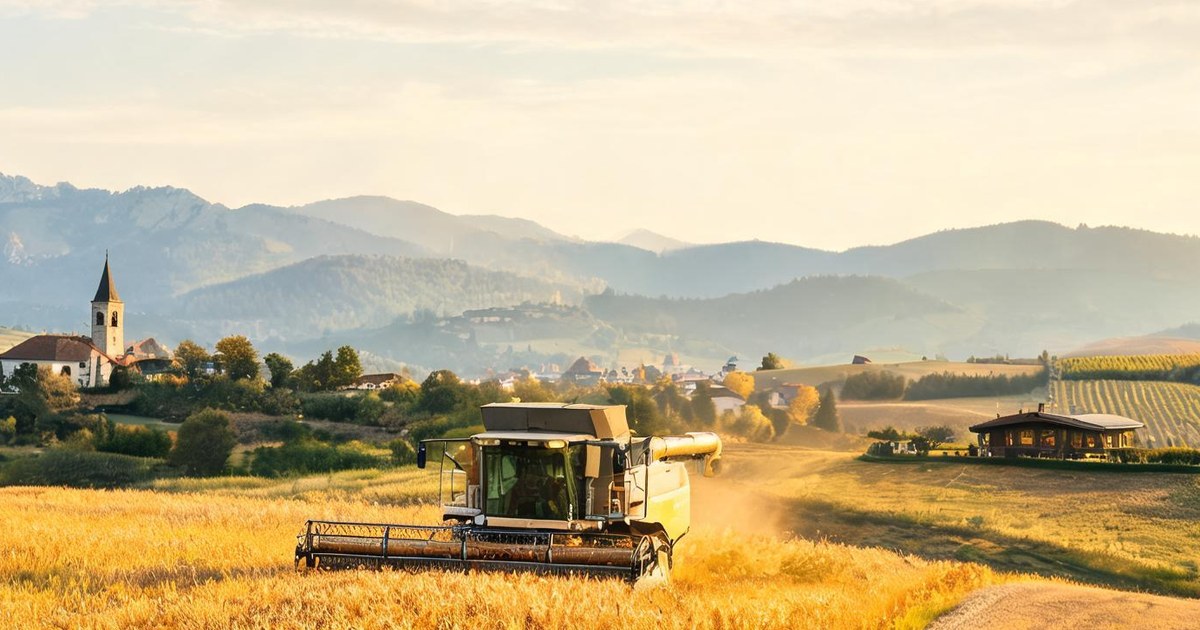
From Potatoes to Sugar Beets: Austria's Harvest Is Even Worse Than Expected
From Potatoes to Sugar Beets: Austria's Harvest Is Even Worse Than Expected Austria's harvest is turning out far worse than expected: potatoes down up to 70 percent, grain maize down 30, soy over 50. Numbers, causes and price impact. Topics: News, Economy, Food & Shopping.
A record drought has turned a bad outlook into an even worse reality. As Die Presse reports, Austria’s harvest is now falling below the already pessimistic August forecasts. Potatoes (called Erdäpfel in Austria), grain maize, soybeans and sugar beets are all affected. According to the Austrian Chamber of Agriculture, volumes are dropping by dozens of percent compared with the five-year average. Here are the key numbers, the reasons behind the sugar beet double blow, and what this means for prices at the store.
Record drought hits autumn crops harder than forecast
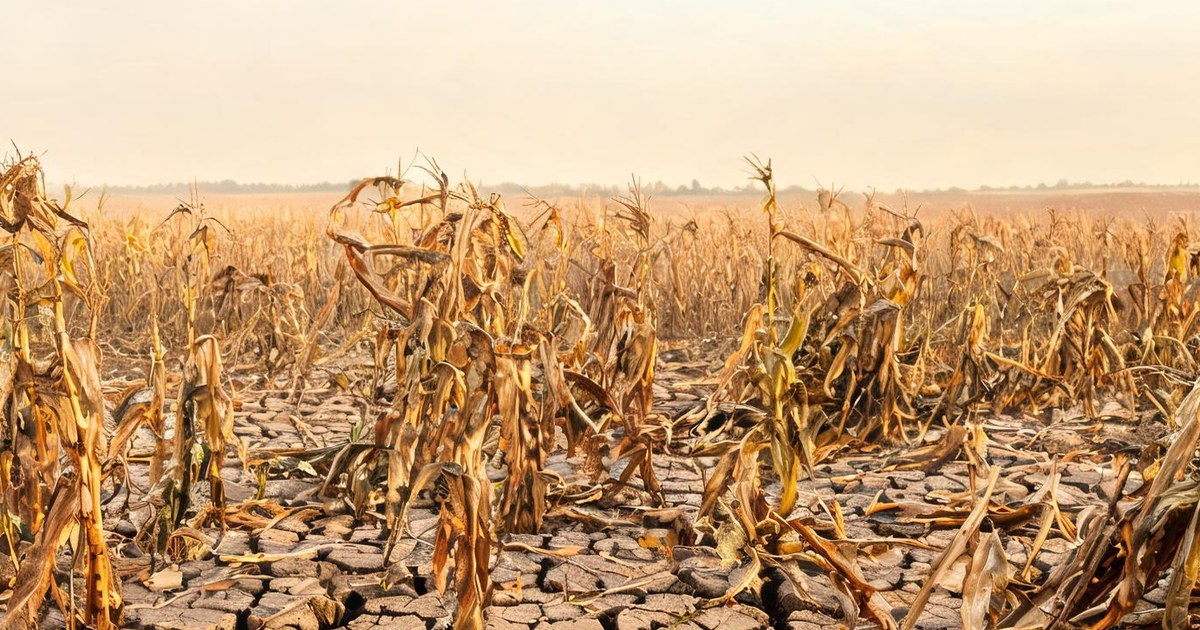
The main cause is the damage to autumn crops — the plants that stay in the ground through August and September. These include grain maize, silage maize, potatoes, pumpkins, sunflowers, soybeans and sugar beets. Summer grain was already harvested by the time the drought peaked, so its losses are far smaller.
The comparison with the five-year average shows the scale. Grain maize could lose almost 30 percent of total tonnage. Soybeans are down more than 50 percent. Oil pumpkins are missing roughly a fifth of the crop, and sunflowers more than a third.
The Chamber stresses that harvesting is still ongoing, so estimates may worsen further. It is rare for a bad forecast to end up looking optimistic.
Potatoes: yields down as much as 70 percent
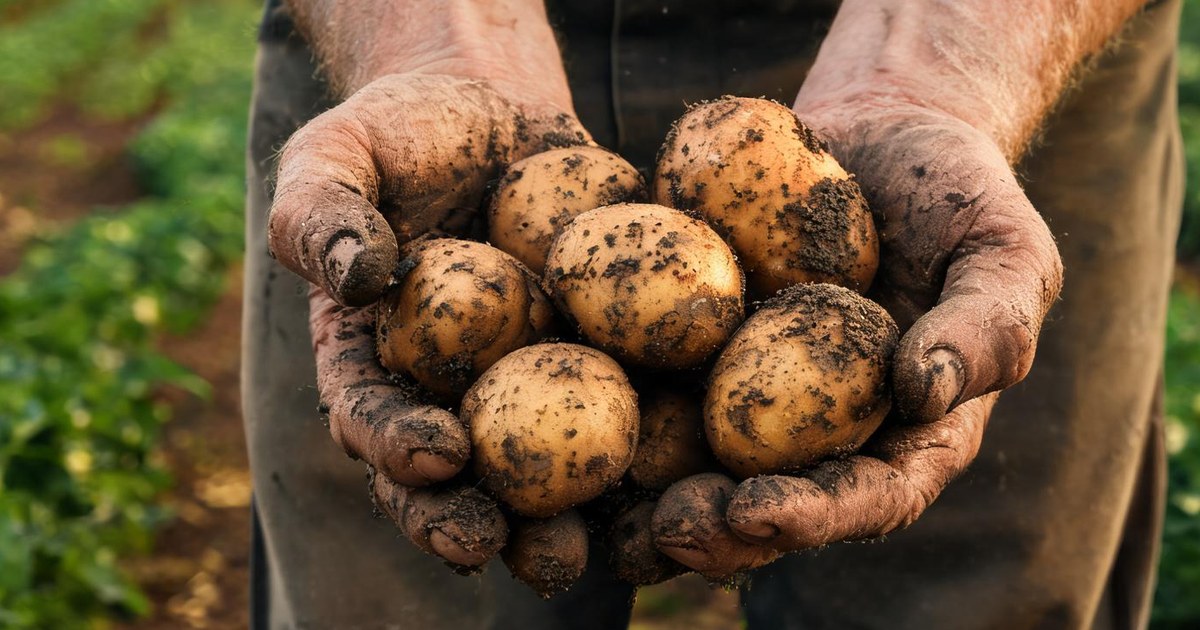
The situation is most dramatic for potatoes. The Chamber calls the yield expectations “dramatic”, estimating losses between minus 50 and minus 70 percent. Farmers in eastern Austria are digging up less than half of a normal crop.
The dry regions in the east — Lower Austria and Burgenland — are suffering most, with weeks without rain. Water shortages are hitting other parts of the economy too, as we covered in our article on low water levels in the Danube.
For shoppers, this almost guarantees higher prices for domestic potatoes in winter. Imports can partly fill the gap, but they cost more due to logistics and exchange rates.
Sugar beets: a double blow to Austrian sugar
For sugar beets, the fair comparison is with last year — and here the drop is up to 52 percent. Drought is not the only reason. In spring 2025, the Agrana group closed its sugar factory in Leopoldsdorf im Marchfeld (Gänserndorf district), cutting farmers’ contracted growing area in half.
Yields are suffering as well: from minus 30 percent in better locations to minus 70 percent in the dry east. The entire Austrian beet harvest is now processed at the single Agrana factory in Tulln on the Danube — the brand behind it is Wiener Zucker.
Final estimates will come at the start of the processing campaign in early October, Agrana told the APA news agency. For a longer view on weather extremes and food, read our piece on the future of nutrition in Austria.
Grain fares better than feared in August
There is some good news. Summer grain lost less than originally expected. In August, Agrarmarkt Austria (AMA) forecast a decline of 14.4 percent against the long-term average — the current estimate improved to minus 10.9 percent.
Soft wheat is down 15.6 percent instead of the forecast 18.4 percent. Up-to-date grain market reports are published by AMA Marktinformationen, while Statistik Austria provides official crop data.
Forecasts outside grain were also revised: the wine harvest will be about a quarter below the long-term average, and apples are expected to come in a third lower than in 2025. Farmers discussed exactly this situation at the recent harvest festival on Vienna’s Heldenplatz.
The failure of the autumn harvest is turning out even more dramatic than feared. Austrian agriculture has been hit by a drought of a scale never seen before.
— Josef Moosbrugger, President of the Austrian Chamber of Agriculture
Farmers demand aid and climate resilience investment
Chamber president Josef Moosbrugger called the government’s drought relief package (Dürrepaket) and other measures “essential for survival”. He also demanded further future investment in the climate fitness of agriculture and forestry.
The problem is that the coalition still cannot agree on the multi-billion package. We covered the dispute in detail in our article on drought aid for Austrian farmers. For regions like Burgenland, entire industries are at stake.
Harvesting continues until the end of October. Final figures for beets, maize and pumpkins will follow — likely with another batch of bad news.
What the poor harvest means for your wallet
The bottom line: Austria’s harvest this year is far below normal, and consumers will feel it. Potatoes, pumpkin and sunflower seed oil, sugar and grain products will get more expensive or be replaced by imports.
What you can do right now:
- Plan seasonal purchases early — potato prices will rise toward winter.
- Compare domestic and imported products — the imported version is sometimes equally good and cheaper.
- Follow the aid decisions — the farmer support package will shape next year’s prices.
We keep tracking the situation and explain how Austria’s economy really works. Subscribe to our newsletter to get the most important Austrian news in plain language.
Stay Up to Date with the Latest Austrian News
The week's top stories — news, guides, and insights about life in Austria. Every Sunday in your inbox.