Shops in Vienna could stay open until 8pm on Saturdays: what is behind the push
Shops in Vienna could stay open until 8pm on Saturdays: what is behind the push Shops in Vienna could open until 8pm on Saturdays. Retailers, malls and the WKÖ want freedom, but opening-hours and working-time laws stand in the way. Topics: News, Economy, Politics.
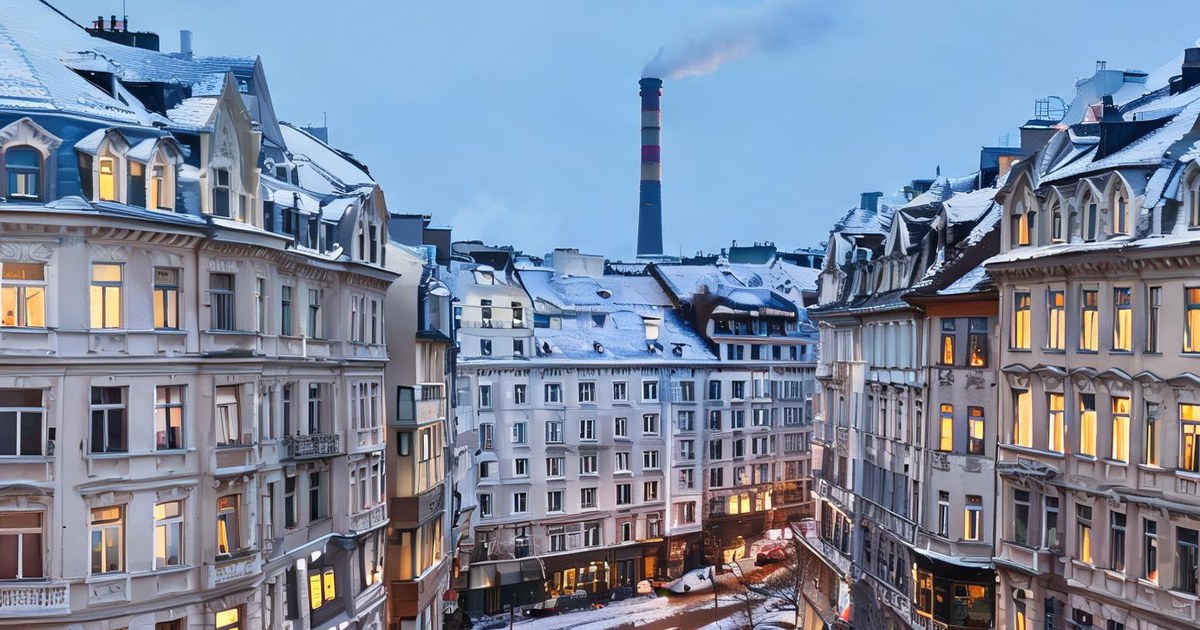
Vienna is once again arguing about shop opening hours. The proposal sounds simple: let shops in Vienna stay open until 8pm on Saturdays — today the ceiling is 6pm. Behind the push are shopping centres, large retail chains and the Austrian Federal Economic Chamber (WKÖ — the main lobby body for businesses). The idea fits the times: fewer bans, more freedom, relaxed evening shopping. But the initiative runs into real legal obstacles — the federal Öffnungszeitengesetz (the shop opening-hours law) and the Arbeitszeitgesetz (the working-time law). We explain what Vienna actually proposes, what the current law allows, who resists and why, and what it would change for shoppers. Spoiler: expect changes in months, not weeks.
What Vienna proposes
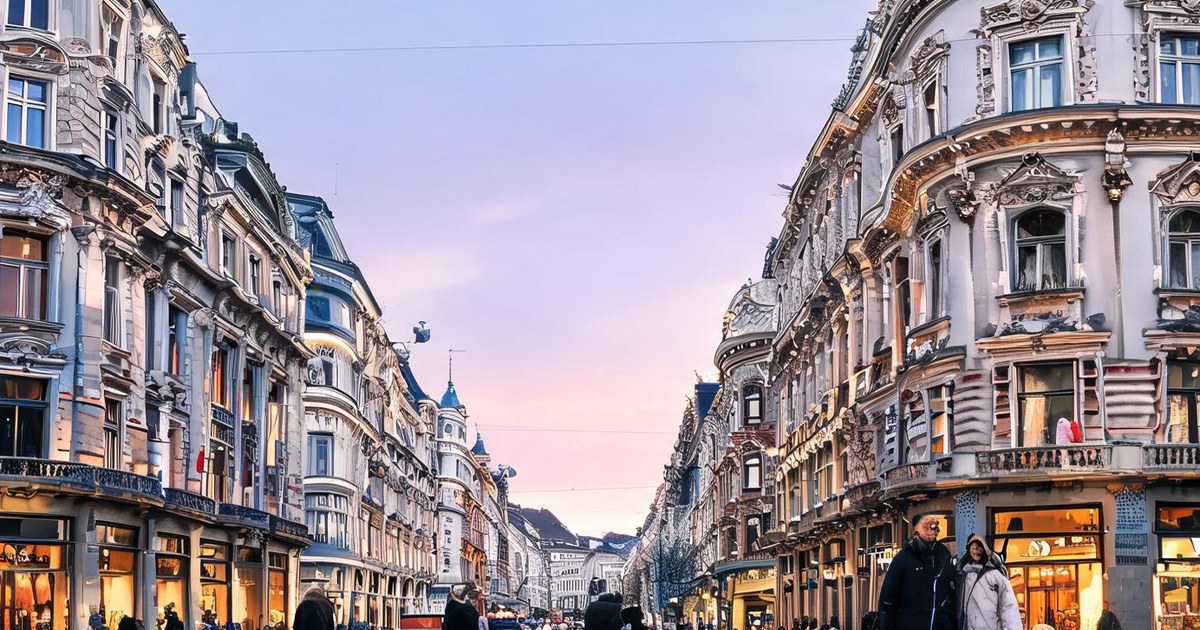
The core of the initiative is a permission, not an obligation. Stores could decide for themselves whether to open on Saturday evenings; nobody would be forced to stay longer. Supporters hope shopping centres and streets like Mariahilfer Straße would capture customers who simply have no time during the day.
Both sides are presented as winners: shoppers who work until 5pm get two extra hours, and retailers keep revenue that currently leaks to online stores. The city cannot change the law itself, though: the point is for the federal legislator to loosen the frame and give Vienna room for exceptions in its retail sector.
A significant part of small business disagrees. Small shops fear competing with chains that have the staff and budgets for evening shifts. For a family store, two extra Saturday hours mean payroll costs with no guaranteed return.
What the law allows today
Today’s rules come from the Öffnungszeitengesetz (ÖzTG — the federal shop opening-hours act, in force in its updated form since 2008). On weekdays shops may open between 6am and 9pm, while on Saturdays only between 6am and 6pm. An overview of the current rules is available in the Ladenöffnungszeit article: total opening time must not exceed 72 hours per week.
Exceptions exist, but they belong to the federal states, not the city. Landeshauptleute (state governors) may allow extended hours — for bakeries, flower shops or fruit and vegetable stores. Sundays and public holidays are closed for everyone except bakeries, petrol stations, shops in railway stations and airports, and tourism zones.
December follows its own calendar: on 8 December (Maria Empfängnis) shops usually open from 10am to 6pm, on 24 December until 2pm, on 31 December until 5pm. Austrians already know the logic of flexible Saturday hours — the question is whether to extend it to the whole year.

Why retailers demand more freedom
The first argument is economic. Austria’s economy is stagnating — we covered how Austrian GDP shrank for a second consecutive quarter — and retail feels it among the first. Saturday is the biggest shopping day of the week, and every “lost” evening hour flows into online commerce, which ignores 1970s rules.
The second argument is the shape of demand. More and more people work until 5 or 6pm and physically cannot reach a store before closing. Shopping centres that already live on weekday evening traffic see Saturday evening as unused capacity. Austrian retail is changing fast anyway — see our piece on how supermarkets are reshaping city streets.
The demand can be summed up briefly: freedom instead of bans. Each store should decide its own limit. The Economic Chamber argues that opening hours are a matter of competition and customer preference, not a government timetable.
The legal hurdles: opening hours and working time
The first hook: the Öffnungszeitengesetz can only be changed at federal level. Vienna cannot “allow until 8pm” by a city council decision — parliament has to act. The route through state-level exceptions exists, but it is clunky and limited to certain store categories, as the bakery example shows.
The second hook is the Arbeitszeitgesetz (AzG — the working-time act): the full text of the law defines night work as work between 8pm and 5am. A shift ending at 6pm stays under that line; an evening until 8pm sits right at it, and cleaning or stock-taking after closing already crosses it. Night work triggers surcharges and restrictions, so two “extra hours” cost an employer far more than a shopper thinks.
Add the mandatory rest period of at least eleven hours between shifts, Saturday-work rules in the sector Kollektivvertrag (collective agreement), and the question of who would even staff the evenings — often students and young workers, as we describe in our article on working from age 14 in Austria. That is where union resistance comes from: a longer Saturday is read as the first step towards eroding the shared day off.
Every shop should decide for itself how long to open on Saturdays: customers vote with their wallets, not with a timetable from the seventies.
— The gist of the Austrian retail demands (WKÖ and leading chains) in the debate on Saturday opening hours
What the initiative means for shoppers
Until the law changes, nothing changes for you: Saturday still ends at 6pm, Sunday stays closed, and the December exceptions run as usual. Plan bigger purchases for Saturday morning or a weekday lunch break — after six, most doors will keep closing on time.
If the initiative passes, the shopping map becomes more flexible. Two hours sound modest, but they close exactly the window for people busy during the day: evening groceries, clothes, electronics. Not everything will stay open until eight, though — small shops will likely keep their usual schedule, so you will still need to check each store’s hours.
The Sunday question is not touched: the Sunday rest is a constitutional and cultural pillar of Austrian life, and retail is not about to challenge it. The fight is only about two hours on Saturday.
Frequently Asked Questions
How late can shops in Vienna open on Saturdays today?
Until 6pm. Under the federal opening-hours law, shops may open on Saturdays between 6am and 6pm, with exceptions limited to categories such as bakeries and flower shops.
Would shops have to stay open until 8pm if the proposal passes?
No. It is a permission, not an obligation: each store decides whether to use the Saturday evening hours. Chains and shopping centres likely will; small shops probably will not.
Why can’t the city of Vienna simply allow it by decree?
Shop opening hours are regulated by a federal law, not by the city. Vienna can push for exceptions, but only parliament can change the basic frame — that is the initiative’s main legal hook.
What would change for shop employees?
Shifts crossing 8pm fall under night-work rules: surcharges and restrictions under the working-time law. So the evening is not only a question of owners’ ambition but also of staffing costs.
What happens next
The path of the initiative: the city and retail make their case → negotiations in parliament → a decision on the federal law. A realistic horizon is months, not weeks — until then, shoppers live by the “Saturday until 6pm” rule. Your short checklist:
- Check the hours: look up the specific store before you go — exceptions already exist and will be extended case by case.
- December is special: 8, 24 and 31 December run on separate schedules, so plan ahead.
- Saturday mornings win: until the ceiling moves, do larger purchases in the first half of the day.
- Follow the decision: once parliament takes up the law, we will break down the changes in detail.
Subscribe to our newsletter — we track the law changes that hit everyday life in Austria and translate them into plain language every week. Until then, Saturday still ends at six: plan your evening the old-fashioned way.
Stay Up to Date with the Latest Austrian News
The week's top stories — news, guides, and insights about life in Austria. Every Sunday in your inbox.