AI Traffic Lights in Vienna: All 200 Push-Button Lights to Get Artificial Intelligence
AI Traffic Lights in Vienna: All 200 Push-Button Lights to Get Artificial Intelligence AI traffic lights in Vienna: how TU Graz smart KI-Ampeln work, why they extend green for strollers and walkers, and when all 200 push-button lights go AI. Topics: News, Technology, Transport.
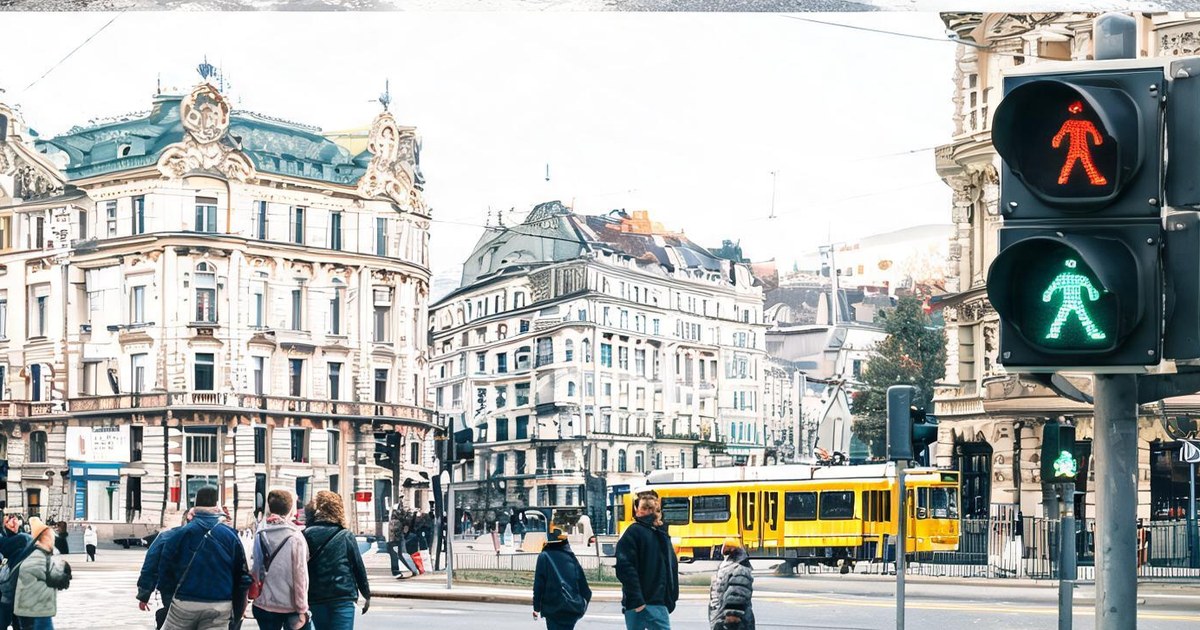
Vienna’s push-button traffic lights are learning to think. The city has around 200 button-activated traffic lights (Druckknopfampeln) for pedestrians and cyclists, and the municipal government plans to equip every single one of them with artificial intelligence. The technology has been rolled out step by step since 2019: about 30 smart traffic lights are already in operation, and in September 2026 the first AI light launched in Floridsdorf. Here is how the TU Graz system works, why it extends the green phase for people with walkers, and what the city says about data protection.
What Vienna Is Planning
Vienna is upgrading every push-button traffic light to an intelligent system. According to ORF, the city still has about 200 Druckknopfampeln — traffic lights where a pedestrian presses a button to request a green signal. Over the coming years, each of them will be retrofitted or replaced with a system running artificial intelligence (KI — künstliche Intelligenz).
The programme has been running since 2019, with smart lights installed gradually as infrastructure is renewed. Around 30 intelligent traffic lights are currently live, and the pace is picking up. The project sits with municipal department MA 33 «Wien leuchtet», the city division responsible for street lighting and signals. As vienna.at reports, the city expects the programme to improve the environment, safety and the flow of pedestrian traffic.
How the Smart Traffic Lights Work
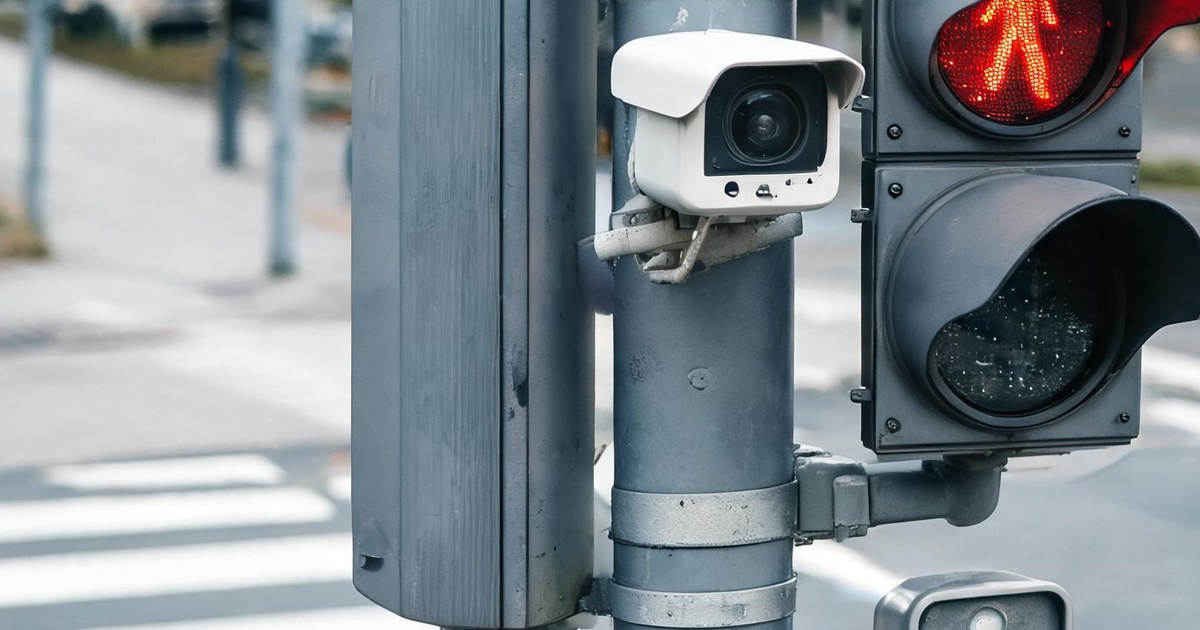
A smart traffic light differs from a conventional push-button unit mainly inside the pole. Cameras and sensors scan an area of roughly 30 square metres in front of the crossing. The system analyses movement patterns and can tell who actually wants to cross the road and who is simply standing on the pavement (Gehsteig).
The key principle: green switches on exactly when it is needed, not on a rigid schedule. If nobody is waiting to cross, pedestrians do not waste time on an empty cycle. The technology was developed jointly by TU Graz (Graz University of Technology) and MA 33. The second generation entered service in December 2024: a more powerful processor and a deep-learning model let it watch several crossings at once and assess situations more accurately, as noted by Digitales Wien, the city’s official digital-agenda portal.
What the AI Recognises at the Crossing
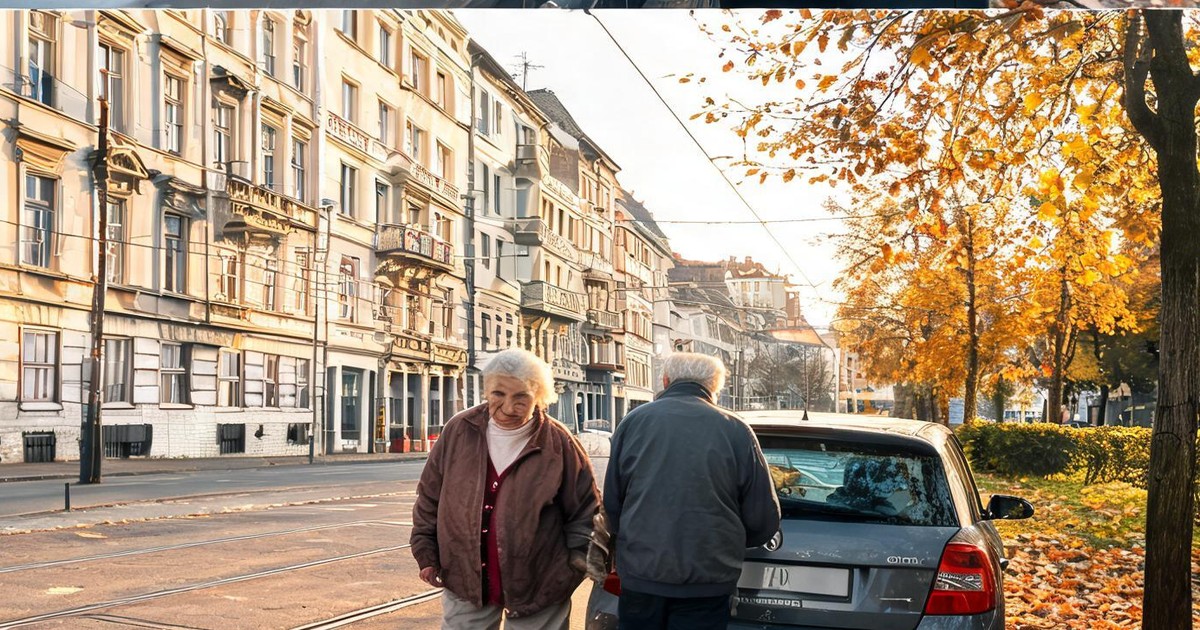
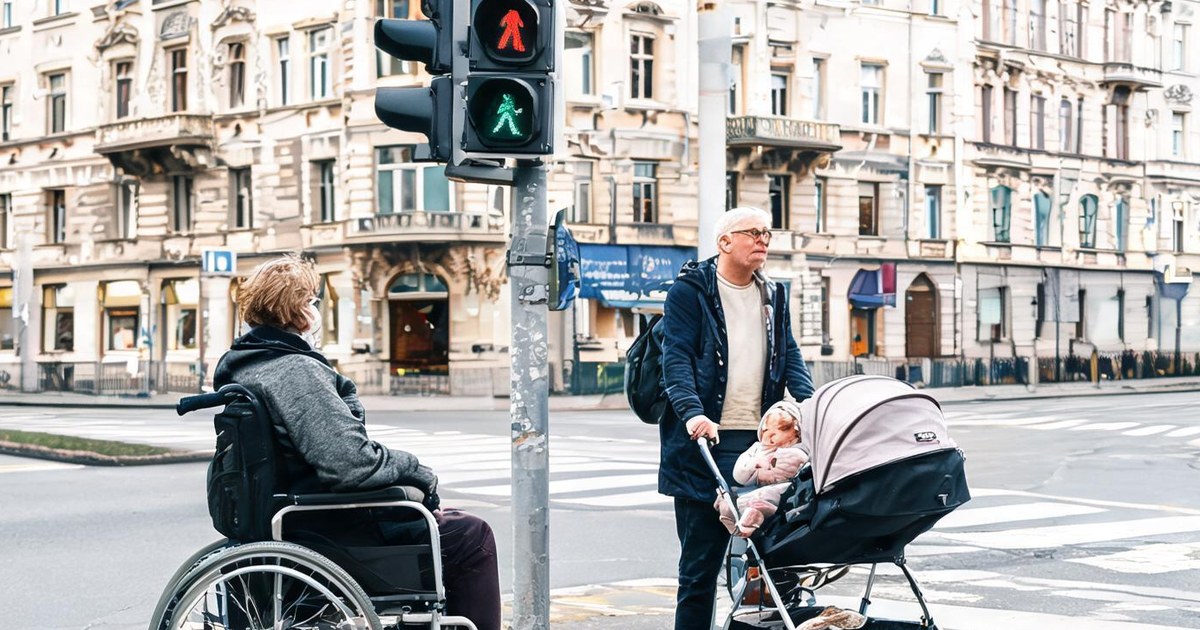
The AI traffic light recognises categories of people, not just their presence. The system can detect strollers, wheelchairs and walking aids (Gehhilfen) — and in those cases automatically switches a longer green phase (Grünphase). Someone with limited mobility needs more time to cross a wide Viennese street, and the light accounts for that without extra buttons or paperwork.
In effect, this is inclusive infrastructure: instead of forcing everyone to fit one standard timer, the signal adapts to the real situation. The system also estimates how many people are waiting, and the group size determines the predefined length of the green phase. Heute.at describes it as a light that thinks along with the pedestrian: the AI registers the intent to cross by itself, and in many cases pressing the button is no longer necessary.
Where the AI Traffic Lights Already Operate
The first smart lights stand in the inner districts and are gradually reaching the outer ones. One active intelligent installation is in the 2nd district at the junction of Am Tabor / Trunnerstraße. In September 2026 Floridsdorf got its first AI traffic light — the unit went live at Donaufelder Straße / Theodor-Körner-Gasse / Plankenbüchlergasse, as reported by oe24.at.
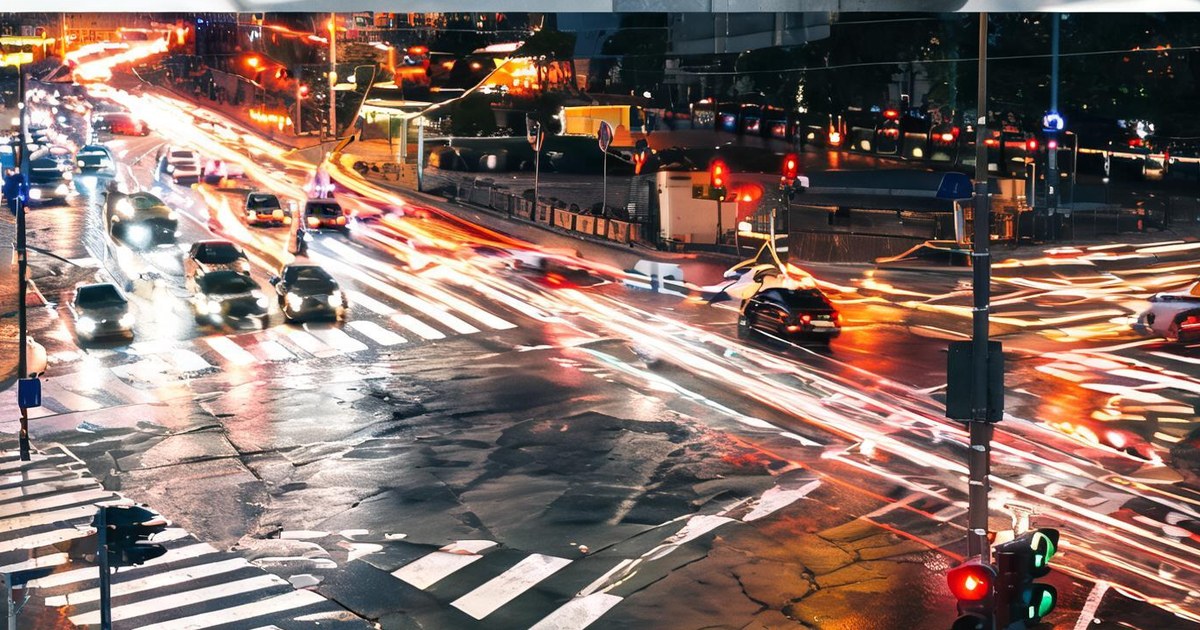
In total, about 30 such systems are running across Vienna today, according to ORF. Every time an old installation is renewed, the share of smart lights grows, and the city aims to cover all 200 push-button traffic lights in the coming years. For residents this means shorter waits at crossings and safer crossings — especially on wide, busy streets.
What About Privacy and Data
Cameras on traffic lights inevitably raise data protection (Datenschutz) questions. The city’s position: during live operation the systems store no images at all — processing happens locally on site, and there is no remote access to the camera. As ORF reports citing MA 33, even the earlier generations were advertised with frames deleted within 50 milliseconds, and only anonymised aggregates were extracted — the number of people and their categories — to optimise switching schedules.
In other words, the light does not watch passers-by or build profiles: it counts how many people of which type are waiting, logs statistics and wipes the video stream immediately. That data helps tune Schaltpläne — the switching plans for individual junctions. Still, the surveillance topic stays sensitive: as kosmo.at notes, data-protection advocates view such technology warily, and any expansion of its features will require careful handling of privacy.
The cameras serve exclusively for recognising movement patterns: surveillance of individuals is not possible. All data is processed on site and deleted immediately — no storage or transfer of personal data takes place.
— Position of Stadt Wien, per Digitales Wien
What Comes Next
The roadmap has two main strands. The first is scale: growing from today’s ~30 smart lights to all roughly 200 push-button installations. The second is public-transport integration: TU Graz is already researching how to tie the intelligent signals more tightly to trams and buses so that Öffis (public transport) can get priority at junctions.
The programme fits within Digitale Agenda Wien, the city’s digital agenda adopted in summer 2024, and the broader push to strengthen the Umweltverbund — the eco-friendly transport mix of public transport, walking and cycling. In the same spirit the city is greening its tram tracks — we covered 600 metres of green rails in 2026 in our article on green tram tracks in Vienna, and for the general direction of Vienna’s mobility policy see our piece on the Wiener Linien staff shortage. AI in Austrian infrastructure is also advancing beyond traffic lights — we wrote about pressure on local startups in our piece on AI and Austrian startups.
Frequently Asked Questions
Will I still need to press the button on an AI traffic light? In most cases — no. The system recognises the intent to cross on its own and requests a green phase automatically. The button remains as a backup, but the default scenario is contact-free.
How does the AI light know that someone needs more time? Cameras and sensors detect strollers, wheelchairs and walking aids. When such categories are spotted, the system automatically switches a longer green phase so the crossing stays safe and relaxed.
Are camera recordings from the traffic lights stored? No. According to the city, processing happens locally on the unit itself, images are not stored, and there is no remote access to the camera — only anonymised people counters are extracted to optimise switching.
Stay Up to Date with the Latest Austrian News
The week's top stories — news, guides, and insights about life in Austria. Every Sunday in your inbox.