Tax cuts Austria 2026: What the state gives with one hand, it takes back with the other
Tax cuts Austria 2026: What the state gives with one hand, it takes back with the other Austria cuts VAT on basic food from 10% to 4.9% in July 2026 — but passport fees rise 47%, E-Card nearly doubles, and court costs jump 30%. Here is the full Topics: News, Economy.
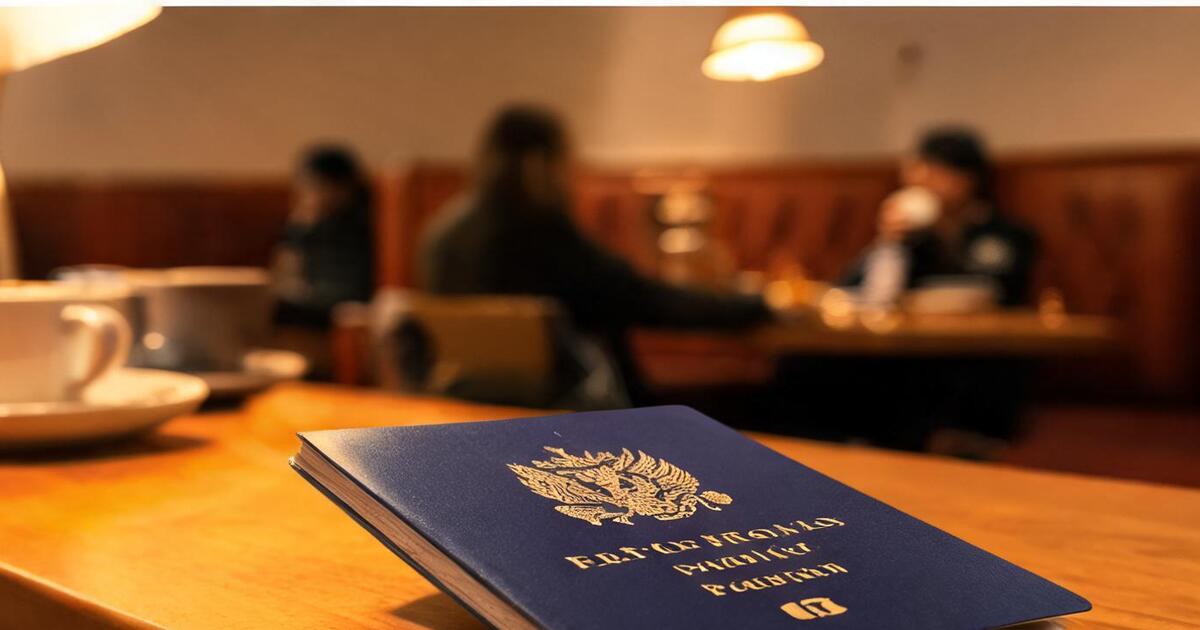
Starting 1 July 2026, Austria reduced VAT on basic food staples from 10% to 4.9%. Milk, eggs, bread, vegetables and fruit became cheaper overnight. A welcome relief for household budgets — or so it seemed. At the same time, the government launched a wave of fee increases (Gebührenerhöhung) that largely offsets the tax cut. Passports are now 47% more expensive, the E-Card annual fee nearly doubled, and court fees jumped almost a third in a single year. Here is how the numbers add up and what it means for residents.
What changed with the food VAT reduction
From 1 July 2026, VAT (Umsatzsteuer) on selected basic food products was permanently lowered from 10% to 4.9%. The reduced rate applies to milk, yoghurt, butter, fresh eggs, vegetables, fruit, rice, wheat flour, pasta, bread and table salt. According to Austria’s Ministry of Finance (BMF), the average household will save approximately €100 per year. The measure will cost the federal budget roughly €400 million annually.
However, the reform has created headaches for small retailers. While large chains like Billa or Spar adapted their systems centrally, independent market vendors — such as those on Vienna’s Naschmarkt and Brunnenmarkt — report that older cash registers cannot handle the unusual 4.9% rate. Replacement costs can reach €15,000. Some traders describe the reform as a “catastrophe for small business.” Read more about the challenges small retailers face in our article on Vienna traders.
Document fees surge by 48%
Here is where the arithmetic gets interesting. Simultaneously with the tax cut, the government passed a post-valorisation of federal fees — the first since 2011. The overall increase averages 48.2 percent.
Key figures per ORF reporting:
| Document | Old (€) | New (€) | Increase |
|---|---|---|---|
| Reisepass (passport) | 75.90 | 112.00 | +47% |
| Führerschein (driving licence) | 60.50 | 90.00 | +49% |
| Personalausweis (ID card) | 61.50 | 91.00 | +48% |
| Namensänderung (name change) | 382.60 | 567.00 | +48% |
| Staatsbürgerschaft (citizenship application) | 125.60 | 163.00 | +30% |
| Waffenbesitzkarte (gun licence) | 74.40 | 110.00 | +48% |
As Der Standard reports, court fees (Gerichtskosten) rose by 23% in April 2025 and will increase by another ~6% from August 2026 — a combined jump of nearly a third in 16 months. The Austrian Bar Association (ÖRAK) has called for an immediate freeze. For a deeper look at rising court costs, see our Gerichtskosten shock article.

E-Card and Klimaticket: recurring costs are climbing
The fee hikes are not limited to one-off document charges. The E-Card-Servicegebühr (annual health insurance card fee) nearly doubled from €13.80 to €25 — and the charge now extends to pensioners, who were previously exempt.
The Klimaticket (nationwide public transport pass) rose in two steps: to €1,300 from August 2025 and to €1,400 from January 2026 (reduced rate: €1,050). The free Klimaticket for 18-year-olds has been abolished.
Roughly one third of the budget consolidation comes from the revenue side — meaning it is less about cutting spending and more about extracting money from citizens through higher fees.
— Markus Marterbauer, Austrian Finance Minister (SPÖ)
CO₂ levy and new charges
In 2026 the CO₂ levy rose to €55 per tonne (up from €45 in 2025). The practical impact:
- Heating oil: +2.2 cents/litre
- Natural gas: +0.4 cents/kWh
- Petrol: +1.3 cents/litre
- Diesel: +1.5 cents/litre
A brand-new Paketabgabe (parcel duty on shipments from outside the EU) was also introduced — a direct offset for the €400 million lost to the food VAT cut. In Vienna, the Ortstaxe (tourist tax) was raised to 5%, and a separate day-tourist fee was introduced.

The budget balance: who really benefits?
According to the BMF budget report, Austria’s general government deficit stands at 4.2% of GDP in 2026. Without consolidation measures it would have risen to 5.9%. The government targets a deficit of 2.98% of GDP by 2028.
The mechanism is straightforward: the food VAT cut costs €400 million per year. That gap is filled by higher document fees (+48%), a near-doubling of the E-Card, the new parcel duty and the CO₂ levy increase. In effect, the government makes a visible gesture toward lower-income households (cheaper food) while recouping the money through charges that hit everyone regardless of income.
The IMF’s 2026 Article IV consultation recommends that Austria cut environmentally harmful subsidies and rebalance the tax system away from labour. The current approach — lowering one tax while raising others — does not address the structural problem.
What it means for the average resident
If you buy groceries daily, you gain roughly €8 per month from the VAT cut. But if you need to renew a passport, driving licence or apply for citizenship this year, you will pay 30–49% more than last year. Add the higher E-Card, Klimaticket and CO₂ levy on top.
For a two-adult household that needs to update documents, the €100 saved on groceries easily turns into €200–300 in extra fees. The VAT reduction is a marketing move, not genuine support. Real savings come from structural reform — not shuffling expenses from one pocket to another. See our full overview of all changes in Austria for August 2026.

Frequently Asked Questions
How much will the average family save on the VAT cut?
Austria’s Finance Ministry estimates the average household will save about €100 per year on qualifying food products — roughly €8 per month.
How much more do documents cost in 2026?
The average increase is 48.2% — the first post-valorisation since 2011. A passport now costs €112 instead of €75.90; a driving licence €90 instead of €60.50. The new rates take effect from 1 July 2026.
Why does the government cut taxes and raise fees at the same time?
To compensate for lost revenue. The food VAT cut costs €400 million annually. The state covers this through higher document fees, the E-Card hike and the new parcel duty. In essence, lower taxes for some mean higher charges for all.
Conclusion: behind the populist gesture — a budget trick
The VAT reduction on basic food is welcome, but it is modest. A family saves €100 per year while document, health card and transport costs rise by far more. Austria’s government is using a classic playbook: a visible “discount” for everyone, paid for by hidden fee increases that affect all residents. If you need to renew any documents this year, consider the food discount already spent. Subscribe to our newsletter to stay on top of tax and fee changes.
Stay Up to Date with the Latest Austrian News
The week's top stories — news, guides, and insights about life in Austria. Every Sunday in your inbox.