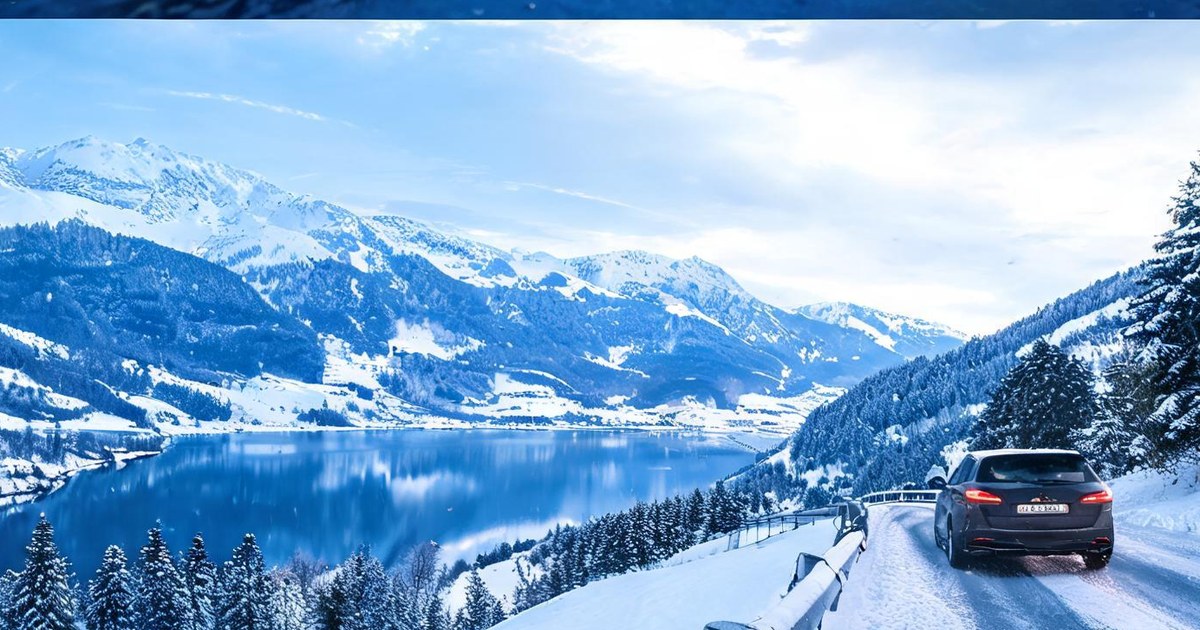
Used Winter Tires: What the ÖAMTC Test Shows and When to Change Them
Used Winter Tires: What the ÖAMTC Test Shows and When to Change Them The ÖAMTC test shows used winter tires lose up to 25% of performance at 4 mm tread depth and over 50% at 2 mm. Austrian tire rules and when to change. Topics: News, Transport, Economy.
Austrian motoring club ÖAMTC has for the first time tested not brand-new tires but used winter tires with 4 mm and 2 mm of remaining tread (Restprofil). Tire tests normally only compare factory-new models. The verdict is sobering: Austria’s legal minimum is not a safety reserve — it is the start of a critical zone. Worn winter rubber performs worst not on snow but on wet roads. Here is how the test worked, what it found, what Austrian law (Winterreifenpflicht — the mandatory winter tire rule) requires, and when you really need to change tires.
What the ÖAMTC test actually did
For the study, ÖAMTC and partner clubs — including Germany’s ADAC — took five current winter tire models. Each was tested in three conditions: new, worn to 4 mm, and worn to 2 mm. The market had never seen this format before, since regular tire tests compare only fresh sets.
The disciplines covered braking, handling, traction, snow behaviour and wet asphalt. As the club’s press release notes, aquaplaning proved the most sensitive parameter — the moment a tire rides on a film of water and the car loses grip. This is exactly where a worn tread hurts the most.
Four millimetres: Austrian law and the safety edge
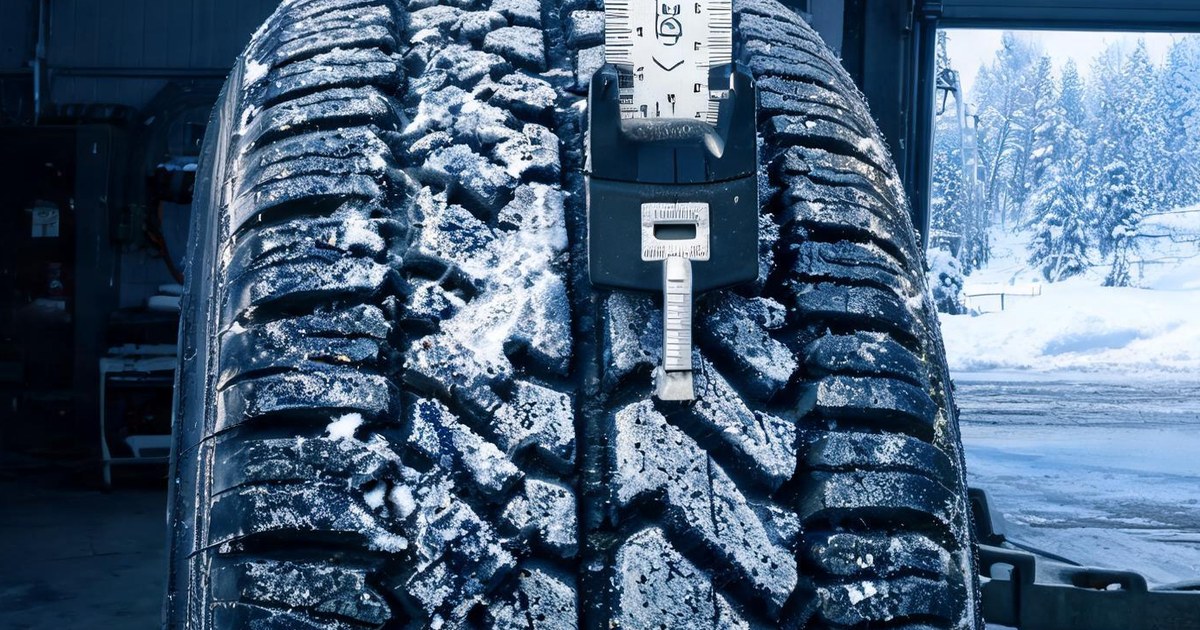
Four millimetres is not a tester’s opinion but an Austrian rule. According to oesterreich.gv.at, winter tires on cars must have a tread depth of at least 4 mm (radial tires) or 5 mm (diagonal tires). The duty is situational from 1 November to 15 April: in winter conditions — snow, slush or ice — cars and light vehicles up to 3.5 t must run on winter tires. All-season tires (Ganzjahresreifen) count only with an M+S marking or snowflake symbol and the same tread depth.
Many drivers treat the required four millimetres of tread as a safety reserve. Our results show that this is exactly where a critical phase begins. It is therefore quite sensible that in Austria you need to think about new tires at the latest at this tread depth.
— Steffan Kerbl, ÖAMTC technician
Wet roads are more dangerous than snow: the key numbers
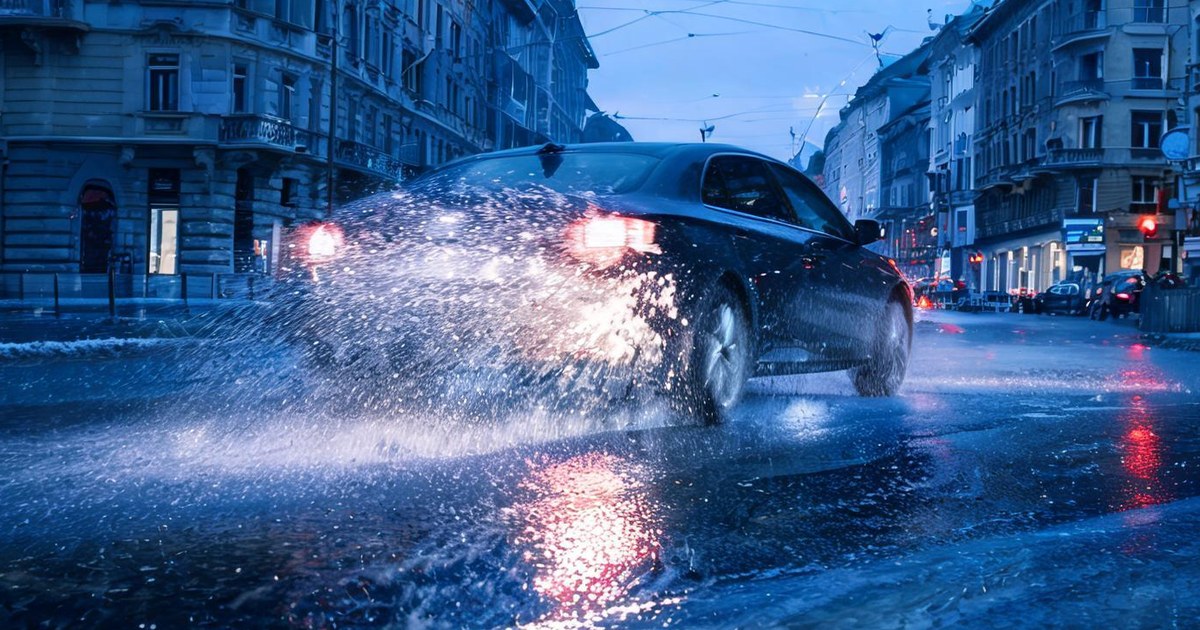
The surprise of the test is that a worn winter set is most critical in the rain, not on snow. At 4 mm, a tire loses up to 25% of its ability to displace water compared with a new one. At 2 mm, the losses exceed 50%. The contact patch gives up earlier and the car starts to float.
The reason is design. Summer tires drain water through wide circumferential grooves, while a winter tire is covered in thin slits called sipes. As the tread wears down, the sipes stop working first. And wet roads in Austria are far more common than snow and ice combined.
Premium brands do not compensate for wear
The second conclusion is uncomfortable for fans of expensive brands: tread depth affects safety more than the differences between models and price classes. Premium, quality and budget tires start from different levels, yet none of the tested models could offset the effect of wear.
As Krone reports, even high-performance premium tires lose clear safety reserves as they wear. For buyers this means one simple thing: a used set near the legal minimum is a hidden loss of performance, whatever is written on the sidewall.
When to change tires: practical benchmarks
The club itself recommends fitting a set with about 6 mm of tread for the autumn, so that after a full season the tires stay above the legal 4 mm. If an autumn check shows 4–5 mm, plan a replacement before the first snow.
Another mistake is running worn winter tires through the summer. The test shows such a set loses more than half of its performance on wet roads, and the winter rubber compound is not built for heat either. Remember the sanctions too: below 4 mm a tire no longer counts as a winter tire, and violating the Winterreifenpflicht in an accident situation can cost up to €5,000 — we cover this in our guide to fines in Austria for newcomers. Running a car in Austria is costly at every step, from getting a driving licence to new rules for combustion-car owners, so saving on bald tires rarely pays off.
Frequently Asked Questions
Can I drive summer-used winter tires with less than 4 mm of tread? Legally yes — the general wear minimum of 1.6 mm applies all year. But the ÖAMTC test shows such a tire loses over half of its performance on wet roads, and the winter compound copes poorly with heat.
What happens if the police stop me in winter and the tread is below 4 mm? The tire no longer counts as a winter tire under the Winterreifenpflicht. Between 1 November and 15 April in winter conditions this is an offence: a fine, and in an emergency situation up to €5,000, plus a ban on continuing the trip.
Do all-season tires count as winter tires in Austria? Yes, if they carry an M+S marking or the snowflake symbol and have at least 4 mm of tread (radial) or 5 mm (diagonal). Otherwise winter rules treat them like summer tires.
How do I measure remaining tread? Buy a tread depth gauge (Profiltiefenmesser) — it is inexpensive and sold in any auto shop. Measure in the main grooves at several points around the tire, and check the wear indicators moulded into the tread.
The takeaway
The ÖAMTC test closed a long-standing gap: we now know what happens to tires as they approach the legal minimum. A tread of 4 mm is not a safety reserve — it is the edge beyond which reserves melt quickly, above all on wet roads.
- ✅ Measure your tread before the first snow — with a gauge, at several points.
- ✅ At 5–6 mm in autumn, plan a replacement so the winter stays above 4 mm.
- ✅ Remember: a worn set is most dangerous in the rain, not in the snow.
- ✅ Do not run worn winter tires through the summer.
- ✅ New to Austria? Our guide to driving licences is a good starting point.
If you want more plain-language breakdowns of Austrian rules, subscribe to our newsletter. Safe winter driving on Austrian roads!
Stay Up to Date with the Latest Austrian News
The week's top stories — news, guides, and insights about life in Austria. Every Sunday in your inbox.