The EU Combustion Engine Ban Is Back Through the Back Door: What It Means for Drivers
The EU Combustion Engine Ban Is Back Through the Back Door: What It Means for Drivers The EU combustion engine ban for 2035 is back through the back door: centre parties plan minus 95% CO₂ for new cars. What it means for drivers in Austria. Topics: News, Transport, Politics.
Back in December it looked like the EU combustion engine ban had been shelved for years: the European Commission softened its 2035 target from 100% to 90%, and Austria’s ÖVP celebrated the “end of the Verbrenner-Verbot”. Ten months later, everything has changed. The three centrist groups in the European Parliament — conservatives, social democrats and liberals — have agreed new numerical targets: minus 95% CO₂ for new cars, and with a bonus for European “green steel”, effectively up to 87.5%. On paper that is flexibility; in practice it is again a near-total ban, because the niche for new petrol and diesel models after 2035 stays tiny. Three committees have already voted yes, and the final plenary vote is due in December. Here is how the percentages were counted, who opposes the deal, and what it changes for drivers in Austria.
What the EU Parliament committees decided
Within two weeks, three key European Parliament committees backed the CO₂ compromise for new cars. On 22 October the industry committee voted 49 to 27 in favour and the transport committee 27 to 18, and on 4 November the environment committee followed with 48 yes, 30 no and 2 abstentions. As Der Standard reports, the MEPs voted on top of the European Commission’s proposal, using the deal between the three largest political groups as their blueprint.
For context: the current law, passed back in 2023, requires a 100% CO₂ reduction for new cars from 2035 compared with 2021. That was the famous de facto ban — only electric and hydrogen cars could be sold. In December 2025 the Commission, under pressure from the car industry and Germany, proposed loosening the target to 90%, provided the remaining tenth was fully offset through green steel and synthetic fuels. Parliament is now rewriting those numbers.
Number games: 95%, 87.5% and what the percentages really mean
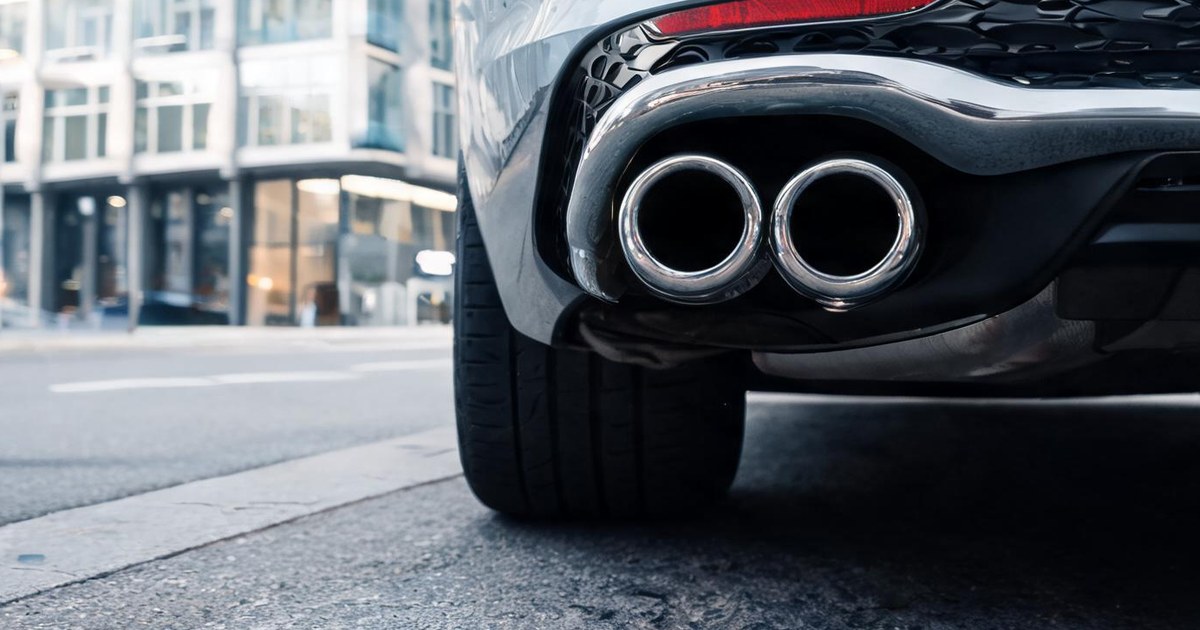
Formally, the compromise is not a ban but an emissions limit for manufacturers. Yet the arithmetic decides everything: with a mandatory minus 95% target, a carmaker can sell only a few per cent of its fleet as combustion models. The credit for green European steel (up to 7.5 percentage points) lowers the bar to at most 87.5%. For light vans, the 2030 target drops from today’s 50% to 35%, and the 2035 target from 100% to 80% — again with the steel credit.
| Rules | CO₂ target for new cars by 2035 | What it means for drivers |
|---|---|---|
| Current law (2023) | −100% vs 2021 | electric and hydrogen only |
| Commission draft (Dec 2025) | −90% | combustion only with full offset |
| Centre compromise (Oct 2026) | −95%, with steel credit to −87.5% | tiny niche for combustion and hybrids |
| Vans under the compromise | −80% instead of −100% | hybrids and combustion stay longer |
EPP MEP Massimiliano Salini calls the deal a victory for technological freedom: registering combustion vehicles without offset obligations remains possible, and the steel credit rewards European production.
Our agreement marks a turning point for the European automotive industry: the registration of vehicles with combustion engines without compensation obligations remains possible.
— Massimiliano Salini, EPP member of the European Parliament
Critics see it differently. According to electrive, the negotiators of the three groups hammered out the draft after tough bargaining — and even the softened percentages still force manufacturers to electrify almost their entire model range. The Greens attack the deal from the left as a rollback of climate goals, while right-wing populists attack exactly the opposite: they say the ban is returning disguised as “flexibility”.
Who is building the majority — and who opposes it
The majority rests on the so-called centre platform: the EPP, S&D and Renew Europe groups. Translated into Austrian politics, these are the governing parties ÖVP, SPÖ and NEOS. As electrive notes, in the industry committee every MEP of the three groups voted the same way — a rare show of unity in this parliament.
Opposition comes from both sides at once. The Greens call the compromise a betrayal of climate targets and demand the return of the 100% goal. The FPÖ, by contrast, accuses the ÖVP of breaking its campaign promises: only in December, Vienna was announcing the “end of the combustion engine ban”, and now it votes for minus 95%. A statement by the FPÖ says outright that the ban is back through the back door — and that around 300,000 jobs in Austria’s automotive sector are at risk.
Remarkably, the Austrian government itself has failed to find a common line. As Die Presse writes, the ÖVP–SPÖ–NEOS coalition struggled for months to agree a unified position, as the interests of car importers collided with the country’s climate commitments.
What it means for drivers in Austria
The key rule does not change: nobody is banning your current car. All limits apply only to new registrations from 2035. Driving, selling or passing on a petrol or diesel car remains legal after that date.
The used-car market even benefits: the fleet of combustion cars will stay large for a long time, while new combustion models become rare — demand shifts to the used-car segment, where prices are already holding firm. If you plan to buy, keep the tax side in mind: electric cars in Austria still enjoy motor-tax advantages, and the cost per kilometre is lower.

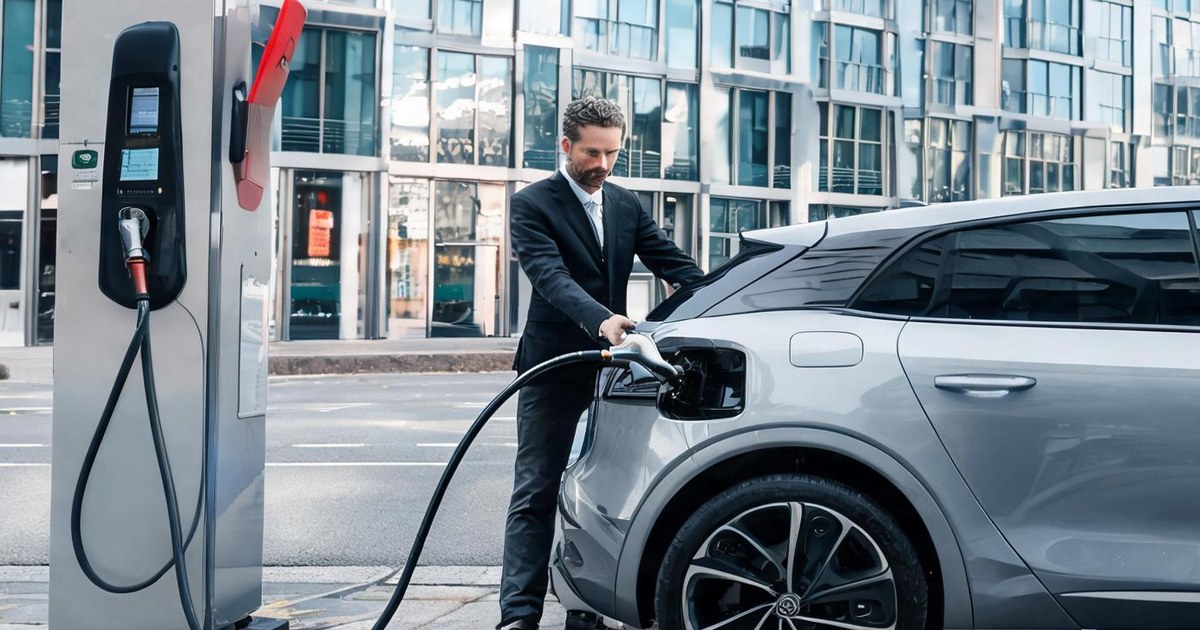
For businesses, the detail on vans matters: the minus 80% target for 2035 gives small companies more time to renew their fleets. For Austrian industry, the deal is mixed news. The e-motor production in Steyr gains a stable demand outlook, while suppliers of combustion components lose market. A clear winner is voestalpine with its Greentec green steel: the credit rules for low-carbon metal are practically tailored to plants like these. The FPÖ, meanwhile, insists hundreds of thousands of jobs are at stake and demands the full repeal of the bans.
And do not forget running costs: fuel remains the biggest item in a driver’s budget, and our article on the fuel price controls at Austrian stations helps you keep track.
What happens next: December plenary, then the Council
The next stop is the European Parliament’s plenary vote in December. A simple majority is enough there, and the three committee yes-votes are considered a good signpost. But Parliament does not have the final say: afterwards the Council of the EU must approve the deal with a qualified majority — at least 15 states representing 65% of the Union’s population.
The key player here is the Franco-German axis. Chancellor Friedrich Merz and President Emmanuel Macron have already agreed a joint position: minus 90% with no offset obligation. According to electrive, this compromise is seen as the guideline for the Council. The final law will almost certainly differ from the Parliament’s numbers — manufacturers and governments will haggle until the very last vote.
Frequently Asked Questions
Are my current petrol and diesel cars being banned? No. All rules concern only new registrations from 2035. Existing cars can be driven, sold and bought without restrictions.
Will I still be able to buy a new combustion car after 2035? Formally yes — the compromise keeps a niche for hybrids and combustion models. But with a mandatory minus 95% CO₂ target, such models will be rare and most likely expensive.
What happens to used combustion car prices? Demand will grow: new combustion cars almost disappear, yet the fleet still needs replacing. In Austria, used-car prices are already holding steady.
Why is “green steel” in the law? A manufacturer earns a credit of up to 7.5 percentage points if it uses low-carbon European steel. That is a bonus for steelmakers like voestalpine — and a concession to industry.
When does the decision become final? The European Parliament is expected to vote in December 2026, followed by the Council of the EU. The numbers can still change before final adoption.
Conclusion: the percentages matter more than the headlines
The EU combustion engine ban has not gone away — it has simply moved into percentage tables. Minus 95% by 2035 means the overwhelming majority of new cars will be electric, while the niche for combustion stays symbolic. For drivers, the picture looks like this:
- your current car stays with you — no driving bans are on the table;
- the used-car market will live on for years and is currently the cheapest way to replace a vehicle;
- by 2035, buying a new car effectively means buying an electric one — plan charging and tax breaks early;
- watch the December vote and the Council’s position: the numbers can still shift.
If you live in Austria and want to stay on top of car-related costs, subscribe to our newsletter — we explain every rule change for drivers in plain language. One thing is already clear today: the road from the fuel pump to the socket just got one parliamentary step shorter.
Stay Up to Date with the Latest Austrian News
The week's top stories — news, guides, and insights about life in Austria. Every Sunday in your inbox.