
Used Car Prices Austria: Average 27,934 Euros — As Cheap As Four Years Ago Used car prices Austria average 27,934 euros — back to 2022 levels. Why prices fell, which segments dropped most and how to get the best used car deal now. Topics: News, Transport, Economy.
Austria’s used car market has turned into a buyer’s market. The average asking price for used car prices Austria is back at 27,934 euros — exactly where it was four years ago. As krone.at reports, citing the AutoScout24 Used Car Price Index, the market has cooled markedly after the pandemic-era surge. Supply is up, average prices are down, and discounts vary widely by segment. In this guide you will learn why prices fell, which categories offer the biggest savings, why EVs are the exception, and how expats can buy safely and save money.
How much do used cars cost in Austria now?
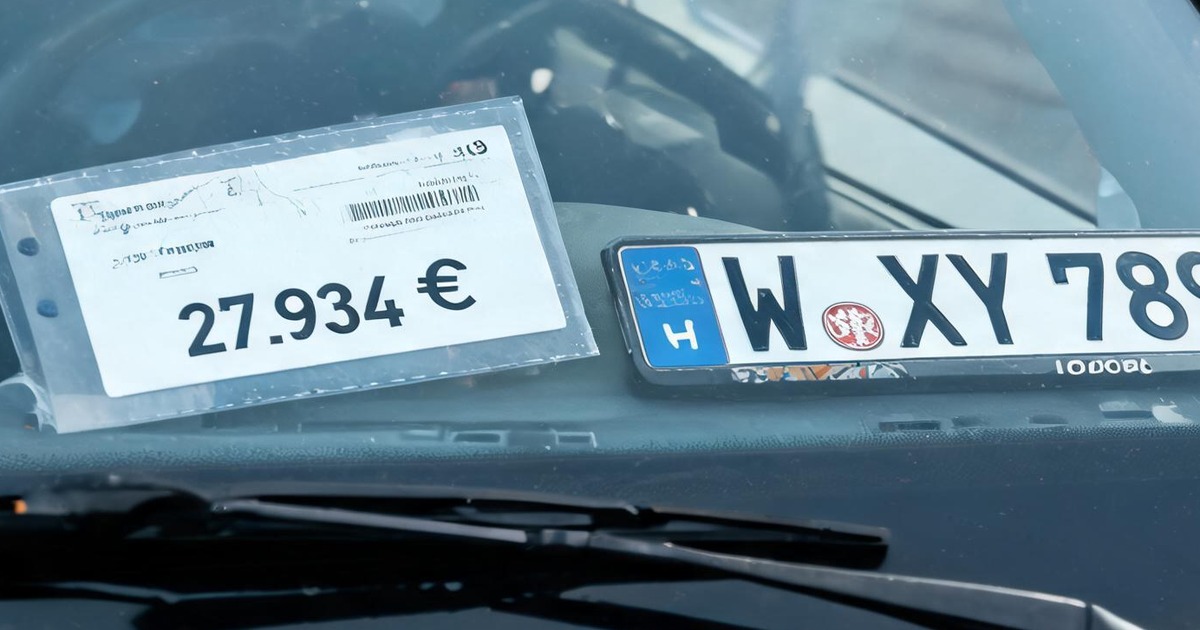
Used car prices Austria averaged 27,934 euros in September 2026. According to krone.at, that almost matches August 2022 with 27,654 euros. The figure confirms a steady decline from recent highs: 28,085 euros on average in June and 29,613 euros in March. Since the start of the year that is 991 euros down (–3.41%) in six months.
The AutoScout24 Used Car Price Index shows an even larger year-on-year saving of about 1,600 euros (–5.4%) versus June 2025. The broad-based easing is driven by more supply after the recovery in new-car production and softer demand for combustion-engine models. For buyers it means more choice and real bargaining power — typically 3–7% off depending on the class.
If you own or plan to buy a car, factor in running costs as well. Austria’s motor-related insurance tax (Kfz-Steuer) depends on kW and CO₂ and can add 400–600 euros per year difference between a strong and a modest engine.
Why prices are back to 2022 levels
Used car prices Austria fell because supply chains normalised. As heute.at explains, from 2020 to 2022 the semiconductor crisis cut new-car output by 30–40%, which made used cars scarce and pushed prices sharply up. Since 2023 production has recovered, lease returns and fleet vehicles have flowed back to dealers — and capped the previously high prices.
High loan rates in 2023–2024 also dampened demand. Many households postponed replacing their car. When rates started to ease in 2025–2026, supply already exceeded demand, so sellers had to cut prices. According to Statistik Austria, Austria’s passenger car fleet exceeds 5.3 million vehicles, and turnover is rising — more cars reach the secondary market.
A third driver is the powertrain shift: buyers wait for cheaper EVs and hesitate on petrol/diesel. Combustion models sit longer on lots, dealers discount to reduce days in stock. If you are getting your driving licence in Austria, you will find an unusually wide choice of small and compact used cars at stable prices right now.
Which segments dropped the most
Used car prices Austria are not falling evenly — mid-size and premium cars lead the decline. As autoinfos.at summarises from AutoScout24, the mid-size segment fell by 1,454 euros (–5.60%) to 24,490 euros since January, the upper mid-size by 1,143 euros (–3.66%) to 30,042 euros, and the executive class by 3,358 euros (–5.47%) to 58,037 euros.
Other classes moved less:
- SUVs and off-roaders — down 991 euros (–2.86%) to 33,685 euros;
- vans and minibuses — down 734 euros (–2.77%) to 25,791 euros;
- compact class — down 303 euros (–1.47%) to 20,278 euros;
- small cars — nearly flat at 14,552 euros in June.
Sports cars saw the steepest drop: –5,217 euros (–6.54%) to 74,555 euros in six months. As ÖAMTC highlights, small cars remain the most affordable entry point: from March 2022 to March 2026 they rose by only 324 euros (+2.2%) to 15,032 euros, while the overall market rose by 3,537 euros (+13.6%) from 26,076 euros to 29,613 euros. If you need a Gebrauchtwagen (used car) for daily commuting, compact and small cars offer the best value.
Commuters who drive to work in Austria should check mid-size estates — discounts are largest there and running costs are lower than for SUVs.

Why EVs are the exception and getting pricier
Used car prices Austria for electric vehicles buck the overall trend. According to Top News Österreich, demand for used EVs in June 2026 was 40% higher than in January. At the same time demand for diesel fell by 20% and for petrol by 15%. As a result a number of EV models became more expensive since January, while comparable combustion models got cheaper.
Reasons include lower running costs and a denser charging network. The Federal Ministry for Climate Action counts more than 20,000 public charging points in Austria as of 2025, plus local perks like reduced parking fees and free charging in some municipalities.
When buying a used EV, focus on battery health (SoH). A 10–15% capacity loss after 5–7 years is normal, but below 80% SoH range and resale value drop sharply. Ask about charging history, share of fast charging and whether the car was used as a taxi or in car-sharing. For combustion cars it is now negotiation time: if a car has been listed for more than 60 days, 3–5% off is realistic, more in sports and executive segments.
After the extraordinary price increases, the used car market has calmed down significantly. Average asking prices are now almost back to where they were in 2022. For buyers that means more financial leeway.
— Nikolaus Menches, Country Manager AutoScout24 Austria, via krone.at
What it means for expats and newcomers
Used car prices Austria at 27,934 euros are a window to solve mobility affordably after relocating — especially outside Vienna. About 60% of people rely on a car daily, and small cars remain the reliable entry ticket: they barely got more expensive since 2022 and sit at around 14,500–15,000 euros.
How to use the opportunity:
- Compare listings on AutoScout24, willhaben and ÖAMTC — spreads of 2,000–3,000 euros for the same model are common.
- Check Zulassungsschein and service book: number of previous owners, mileage, first registration, full service history.
- Include Kfz-Steuer in the budget: a powerful diesel with high kW and CO₂ can cost 400–600 euros more per year than a 90-kW petrol compact. See our guide on Kfz-Steuer.
- Mind warranty: dealer purchases include 12 months warranty for hidden defects; private purchases do not — an ÖAMTC pre-purchase inspection for 100–150 euros is worth it.
If you are weighing leasing versus buying used, buying is often cheaper now: lease rates remain elevated while used-car discounts reach 5–6% in six months in some classes.
Checklist: how to buy a used car cleverly and safely
Used car prices Austria tell only half the story — condition and total cost matter more. Follow this checklist:
First, paperwork: §57a inspection (Pickerl) not older than a year, match VIN on the car with documents, request full service history. A dealer sale (Händler) legally includes at least 12 months warranty for hidden defects.
Next, mechanics: cold start, electronics, air-conditioning, brakes and tyres. For diesels ask about AdBlue and particulate filter, for petrol cars about timing belt/chain. On cobblestones — typical in Vienna — listen for suspension noises.
Then, total cost over 3 years: purchase price + insurance + Kfz-Steuer + energy + service. According to durchblicker.at, insurance premiums vary by up to 40% between models. Often a slightly pricier, newer compact ends up cheaper than a cheap SUV with high consumption.
Finally, negotiate: long listing time (>60 days), minor defects, upcoming inspection or missing winter wheels are valid levers. 3–5% off is realistic, 6–7% in executive and sports classes.
Frequently Asked Questions
Should I buy now or wait for prices to fall further? Now is a good time. The average 27,934 euros is already back to 2022, down 991 euros in six months. Further drops are possible, but the best deals sell fast.
Which used cars are the best value right now? Mid-size (24,490 euros, –5.6% since January) and executive (58,037 euros, –5.47%) offer the largest cuts. Sports cars fell by –6.54%. Small cars stayed stable at 14,500–15,000 euros and remain the cheapest entry.
Why are used EVs getting more expensive while the market falls? Demand for used EVs rose by 40% since January, while diesel/petrol fell by 15–20%. More demand pushes EV prices up — check battery SoH and warranty carefully.
Dealer or private — which is safer? Dealers offer 12 months warranty but cost more. Private is cheaper but carries the risk — a pre-purchase inspection by ÖAMTC for 100–150 euros is highly recommended.
Conclusion: how to use the price dip
Used car prices Austria are back at 27,934 euros — as cheap as four years ago. The buyer window is open: more choice, –1,400 to –3,300 euros in mid and upper segments within six months and 60+ days on lot as a bargaining chip.
- Calculate budget including Kfz-Steuer and insurance and compare 2–3 models on durchblicker.at
- Check history and §57a, plan an ÖAMTC test
- For listings older than 60 days aim for 3–5% off
- Do not leave a perfect match sitting — good cars sell within a week
The market has settled after the 2020–2022 turbulence. If your desired model is available, lock in the price now. Subscribe to our newsletter — compact updates on housing, mobility and daily life in Austria every two weeks.
Stay Up to Date with the Latest Austrian News
The week's top stories — news, guides, and insights about life in Austria. Every Sunday in your inbox.